The Value of Doing Absolutely Nothing

After my girlfriend’s last final, we found ourselves in a rare situation: we were (mostly) free of all responsibilities for a few days, able to do whatever we pleased until it was time to leave. But, most of our friends had left for the holiday already, or were studying rigorously for their last finals. We ended up spending many nights watching random videos, eating snacks, and snoozing. It was pretty great.

At home now, I have so much time for myself. There are also things I told myself I wanted to get done–take photos, make art, apply for internships, catch up with friends. At the same time, it’s relieving to simply have a break from a hectic college schedule. Over the course of the semester, I found myself in a cycle of scheduled classes, meetings, and homework taking up nearly every minute. No longer inundated with these tests and papers and club meetings and work for a few weeks, this holiday break is a perfect time to relax and refresh.

Even though our society looks down upon doing something that isn’t “productive,” taking moments for yourself is important. Taking time to breathe or reflect can be helpful as well, perhaps even insightful. Doing nothing is powerful. Whether it’s reading a book, watching movies, taking a much-needed nap, or even daydreaming, I think we can all benefit from a little self care.
Reflecting on First Semester

As exams wind down, it’s finally occurred to me that my first semester of college is over. While I rejoice at the opportunities to see family, sleep in, and relax over winter break, knowing I am halfway done with freshman year is bittersweet. Retracing to the beginning of the school year, I’ll admit the first few weeks or so were intimidating. I remember calling my mom and confessing how much I missed her, my family, and my friends back home. I was worried about acing classes, making friends, and feeling “at home” in a new environment. How would I find my place at such a huge university?

Gradually, I found myself feeling more comfortable calling U of M my home. In fact, thanks to wonderful friends, great professors, and some spontaneous decision making, it didn’t take long for me to love life at Michigan (I also want to give a shout out to the Residential College for giving me a community to belong to). I tried different activities, both familiar and new, to further build connections and find interests. By stepping out of my comfort zone, I ended up forming some great friendships that made everyday life both manageable and enjoyable. Additionally, football games and arts events (which were/are sometimes free for students) were opportune moments to take a break from schoolwork and make memories.

Until now, I didn’t think anything would go by as fast as senior year of high school. This semester went by insanely quickly, and it’s almost frightening. While I still don’t know what I’m doing with my life, this semester has been incredible, and I hope to take advantage of the rest of my time here at U of M. Here are some things I’ve learned:

  1. College goes by really fast
  2. Call your family members, they miss you and are there for you
  3. Late nights are a given
  4. Naps are essential
  5. It’s okay to get out of your comfort zone
  6. ^^ You can do this by talking to people, taking a class you normally wouldn’t, or even going to events by yourself once in awhile
  7. Even though I truly enjoyed high school, college is so much better (albeit harder)
  8. There are a ton of great study spots around the libraries
  9. One way to hang out with friends during the week is by studying together in the dorm lounges (though be aware you might get distracted)
  10. Convincing yourself to go to the gym, even if it’s just ten minutes away, is difficult
  11. Eating healthily is fairly attainable with a dining meal plan… then again, it’s also easy to eat ice cream every day
  12. Ann Arbor has plenty of great restaurants for when you get tired of said dining meal plan
  13. Ann Arbor is a pretty cool place to explore in general

Why “Ringu” Started a Hollywood Trend

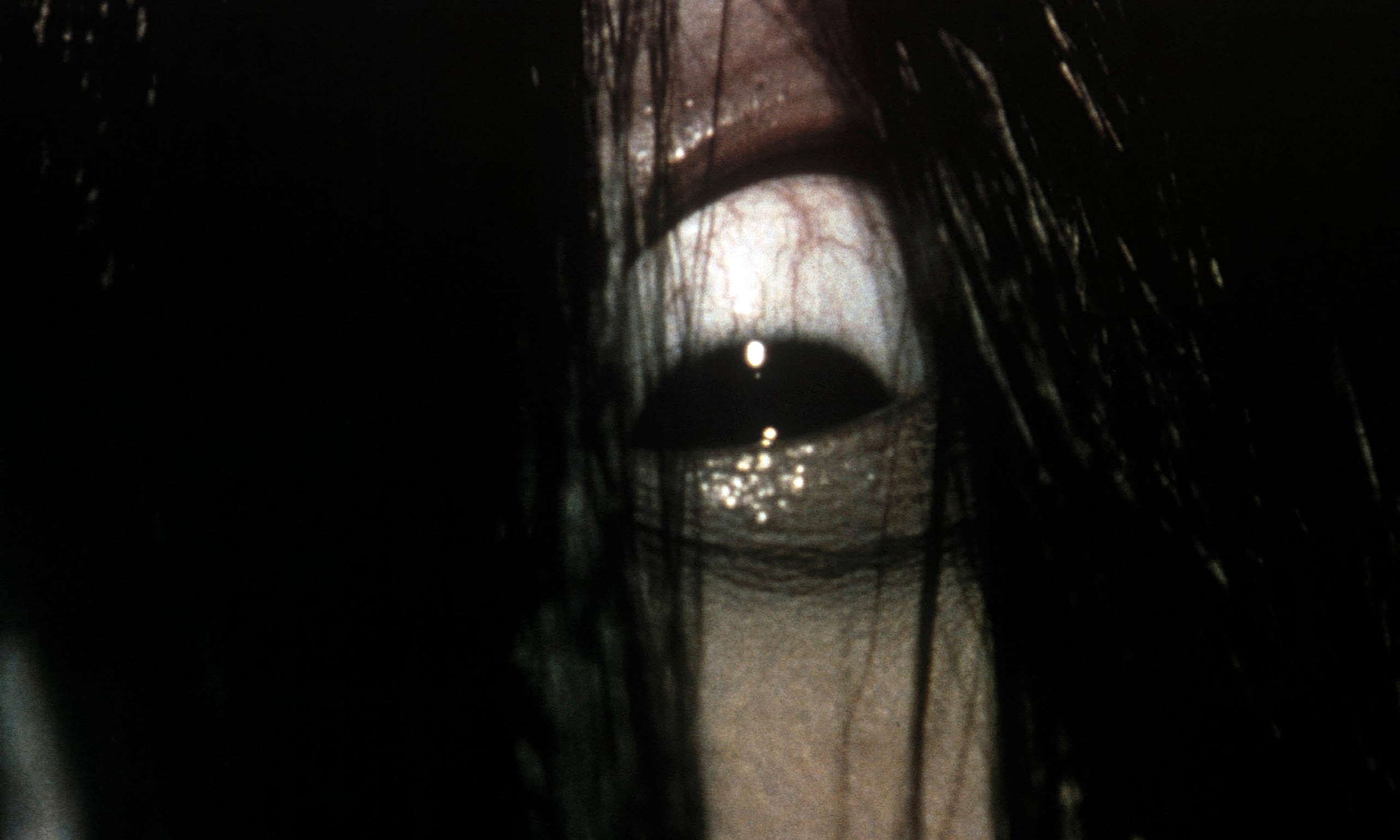
I was surprised to learn that Hollywood loved Japanese horror films so much in the early 2000’s that it made America remakes of the most successful ones. I’ve seen “Ringu” and “Ju-On: the Grudge”, two of the most famous Japanese horror films here, and started thinking what about these movies could have captured American audiences so much. From the outset, it’s clear that Japanese horror loves a good villain, like Sadako and Toshio, the same way American horror does, like with Freddy Krueger and Jason Voorhees. All of these characters were born human but gained supernatural powers over time. Toshio from “The Grudge” and Jason Voorhees from “Friday the 13th” are more sympathetic villains because (spoilers) they were abused by their families before their death and want revenge for how they died, while Sadako from “Ringu” and Freddy Krueger from “A Nightmare on Elm Street” are scary from the start of the movie because unbeknownst to the viewer, they killed innocent people while alive before dying and taking on demonic powers that allow them to seek new victims in the afterlife. The motivations of these villains aren’t unfamiliar to American audiences.

At the same time, I’m not surprised “Ringu” made Hollywood sit up and take notice. The movie blends supernatural horror and psychological thriller to weave a complex plot about Reiko, a journalist and single mother, on the hunt for the mysterious entity killing teenagers across Japan via VHS tape. Not only is the movie entertaining because the mysterious case keeps you guessing who is behind the murders, but it is innovative on an artistic level as well. The movie puts the literary archetype of the vengeful ghost from Japanese literature into a contemporary setting. This is represented by the ghost behind the murders adapting to modern technology in order to haunt more people. Released in 1998, the movie captures this unease with how past horrors will exist in society after the turn of the millennium, a concern that I’m sure is relatable to developed nations like America. Additionally, the film provides social commentary on the changing role of women in Japanese society by having Reiko neglect her son more and more as the case goes on while Sadako kills more and more people. It is a pessimistic movie in that it puts women attempting impossible “double shifts” as professionals and homemakers on the same footing as past horrors developing alongside society in the future. I can’t tell if the movie is sympathetic to Reiko’s struggles to be a good mom, but this parallel plot raises the stakes of an already horrible mystery.

What I think cements “Ringu” as an instant classic is Sadako. She doesn’t have to appear much to make a grand entrance after seeing her infamous VHS tape and her increasing body count. The VHS tape almost looks like a bizarre art film but in reality has clues that let Reiko find Sadako, making the ghost’s capabilities and motivation unknown. The scene where Sadako finally reveals herself is horrifying because it juxtaposes the strange footage of her VHS tape with the deaths of her victims, suggesting she is in control of the afterlife in addition to her existence on Earth, letting her bend the rules dividing the present from the past and art from real life. She conveys her great power and anger without saying a word. By confirming Reiko’s worst fears of who could be killing without leaving a trace, the movie combines the best of psychological horror with the paranormal, an achievement that is essential viewing for any horror fan.

Big Mouth Energy

Image result for big mouth

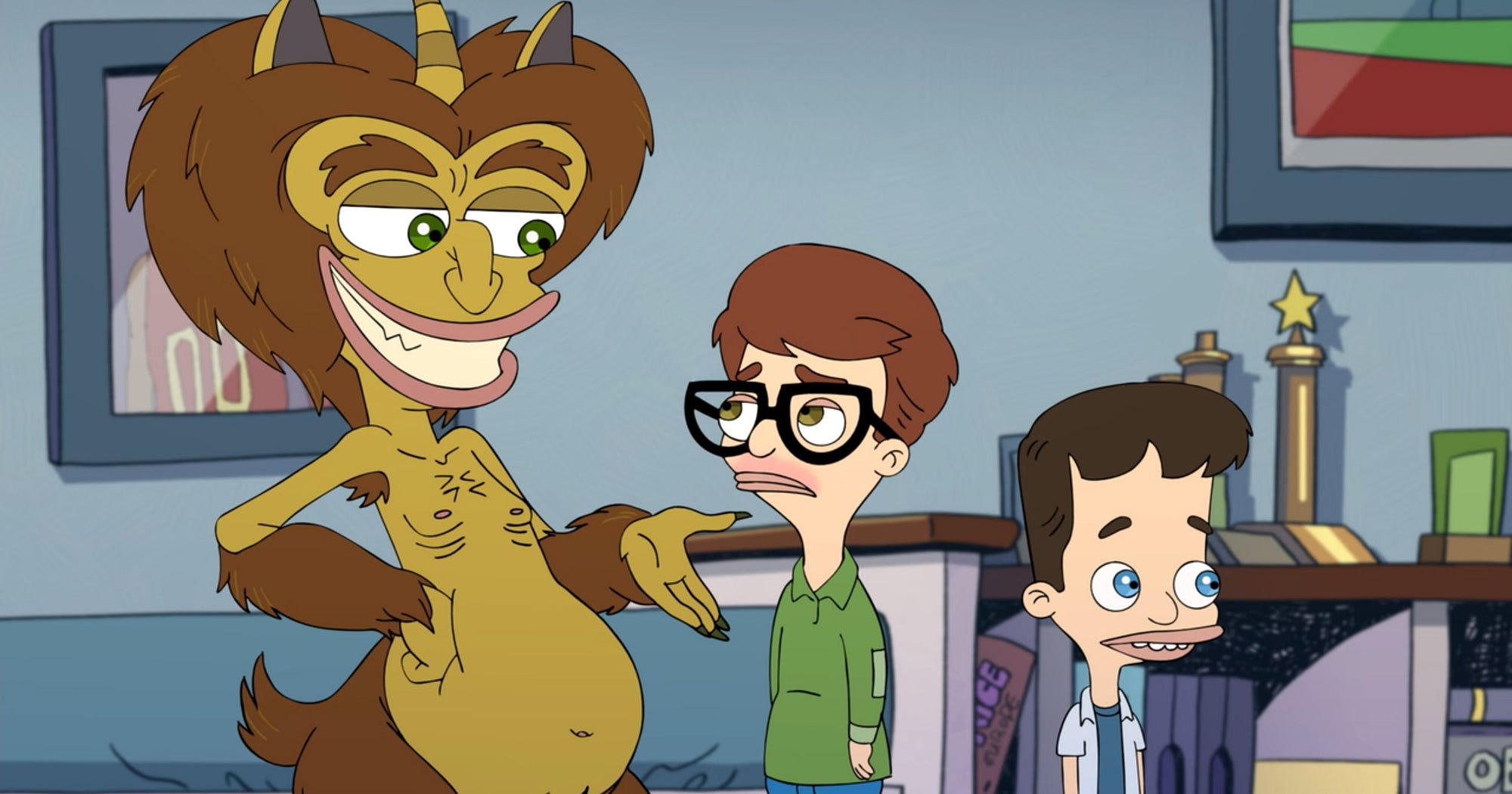
Big Mouth is an adult animated show based on comedian Nick Kroll’s tweenage years. The star-studded cast boasts the voices of John Mulaney, Maya Rudolph, Fred Armisen, Jenny Slate, and Jordan Peele for instance. The Netflix series features a wayward cast of Nick and his best friend Andrew, their friends Jessi, Missy, Jay, talking pillows, strange parents, older siblings, and of course, the dreaded Hormone Monsters. Other recurring members weave in and out of episodes including an incompetent but well-meaning gym teacher, the ghost of Duke Ellington, and Jay’s talking pitbull.

The tweenage characters each have a hormone monster, which serves to guide them through puberty. Yet the monsters often get into trouble, acting as impulsive influences. Each episode features an awkwardly honest look into growing up, entailing all of the things that come with middle school changes: masturbation and sex included.

At first glance, the show seemed immature and borderline disgusting–you can imagine some of the scenes that happen when two 12 year old boys are the main characters. But as I ventured into the second season, I recognized the hilarity and value of such cringeworthy scenes, which highlight a universally relatable time in middle school. As much as we try to repress these memories, they form an important phase in our lives.

Characters struggle with their own identities while growing up, and face drug use, bullying, sexuality, and depression to name a few issues. Big Mouth is brutally honest yet simultaneously nonsensical at times. If you haven’t yet, I recommend watching Big Mouth for at least a few episodes to relive your best and worst prepubescent memories.


The View from the Pit

Last week, I played in the orchestra pit of the University of Michigan’s Gilbert & Sullivan Society’s (UMGASS) production of The Grand Duke. W.S. Gilbert was a writer and Arthur Sullivan was a composer, and together they were a famous musical-writing duo during the Victorian era. UMGASS is a university-affiliated program that has put on Gilbert & Sullivan musicals every fall and winter semester since 1947. The Grand Duke is my second production with UMGASS, following Iolanthe last spring.

You sit in front of the stage, facing the audience and the conductor. There are special lights on the music stands that you switch on to see your music when the house goes dark. You never play anything the same way twice. Some singers speed up the tempo, some of them slow it down, but you always have to follow what they’re doing. If someone forgets a line or misses an entrance, you do your best to improvise and find your way back to the rest of the orchestra. In the Mendelssohn Theater you can’t hear anything but the person onstage and the person you’re sitting next to, so you just use your best judgment and hope for the best.

Gilbert & Sullivan musicals run for a solid two hours and forty-five minutes including intermission, and the pit musicians are playing for a majority of that time. Between Thursday night and Sunday afternoon, we played five shows. I once acted onstage in a musical that ran multiple times a week for several weeks, and that experience was not nearly as challenging as playing viola for just five performances and two dress rehearsals in one week.  

As a musician, I often think of playing my instrument as an entirely mental process. I depend on my brain to make sure the right fingers are going down at the right time, and I never realize that it’s actually my body that is doing all the work of actually producing the music. Even now I’m feeling a little stunned thinking about how when I was playing in the “Finale” of the first act in the musical, my arms were continuously moving for twenty minutes straight. It has been 48 hours since our final performance, and my muscles are still sore. The experience has made me think a little more critically about my future plans to be a freelance musician. I would need to practice a couple of hours a day and go to the gym every day to maintain my endurance for daily performances. I feel a bit silly saying this, but I really think music is a sport!

I am grateful for the experience and I had fun! But now I’m nursing my arms back to health while simultaneously preparing for my performance jury next week and my orchestra concert tonight. This is the life of a musician. I should really hit the gym.

Why Are Survival Horror Video Games So Popular With Kids?

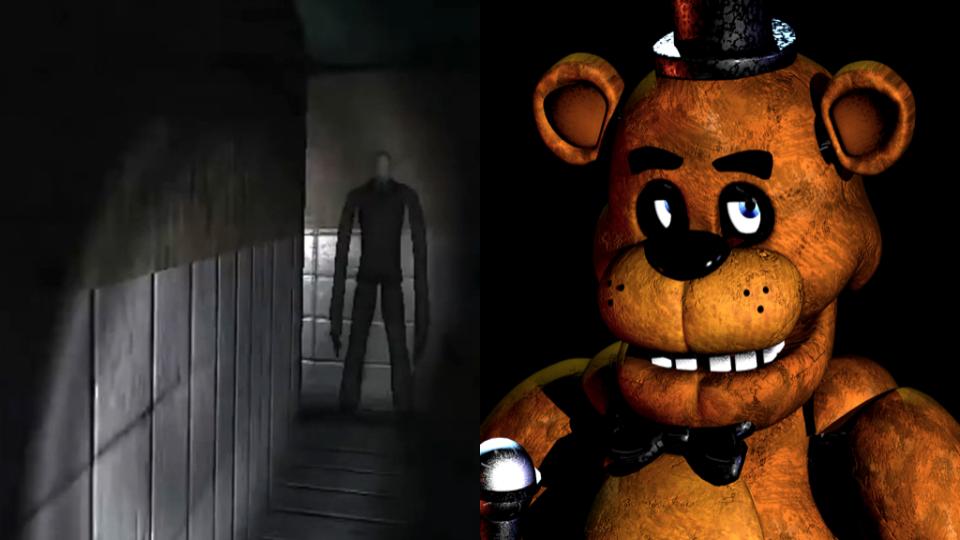
This summer, I worked part-time at Big Lots. One day I had to mark down the prices of a shipment of calendars. To my surprise, the majority of the calendars were of Internet culture. Some of these were animals like Grumpy Cat and Doug the Pug, which seemed like a savvy business deal to me because pets are inherently good and deserve the world. But the other kinds of calendars were of the horror game Five Nights at Freddy’s. This game, in case you don’t know, is where you play as a security guard in their office at a spoof of Chuck E. Cheese’s. Your job is to check the security cameras, where the animatronics led by the eponymous Freddy Fazbear can be seen roaming the restaurant. The catch is that they want to kill you (they’ve killed someone before) and every time you protect yourself by checking the dark hallway by turning on the dim lights or shutting the doors to keep anything out, you use up battery that keeps you from being able to scan the security cameras to know where the animatronics are. If you run out of battery before the end of your shift, Freddy or one of his friends will get you and scare you by having their presence announced with musical box music or by jumping in your face and screaming if you’re caught when you’re checking the security camera. The game is super effective despite being simple, and for someone who doesn’t play video games that often I can tell you it took me time to win the game. Imagine my shock when a customer in her late 30s or early 40s came to buy a calendar of the game for what I assume was her small child. How could kids be such passionate fans of such horror?

I think part of it is that the characters of the game are easily marketable. They are distinctive anthropomorphic animals, which make up many popular characters used for mass production, and are based on a familiar cultural institution in America. I’ve heard of girls in middle school who would destroy their Barbie dolls in an effort to show how mature they had become by turning their backs on their childhood. I think it’s possible young fans of the game want to do the same thing by turning a place that brought them innocent fun with other children their age into a warped nightmare that makes them feel grown-up by withstanding the sinister story of Five Nights, proving they aren’t scared of the dark anymore and that they can handle taking away the sugar-coating of the robots their parents paid to entertain them. The fact that the game has turned into a series of five installments and has a film adaptation in the works produced by Blumhouse Productions is testament to how popular it is.

But where did these little kids hear about the game in the first place? I for one first heard about it from the many gamers on YouTube who posted videos playing the game upon its release in 2014. The journalist Shane Digman for the Canadian newspaper The Globe and Mail believes that the merchandise to the game from the popular collectibles company Funko Pop may actually be an effective kind of advertising to introduce the game to children. He raises the question of whether or not this can be done in good conscious, seeing as how children can have psychological repercussions from being exposed to horror that causes them fear. The thought that the child-friendly inspiration of Five Nights at Freddy’s could lead it to be misinterpreted as a game for children makes me sad, because not only could it put little kids through unnecessary stress if they play the game when they’re too young, but it also defines video games as a medium for children that cannot be taken seriously if it explores the dark nature of what is considered innocent.

One of the reasons presented in Digman’s article as to why young people playing horror games would be a bad idea is because their brains are still developing and can’t distinguish fact from fiction yet. That brings to mind the horrifying attempted murder of a 12 year-old Wisconsin girl by two mentally ill girls her age in 2014, where the perpetrators claimed they wanted to gain Slender Man’s approval and protect their families from him with a sacrifice. Slender Man is an urban legend created by Eric Knudsen in 2009, a cryptid who is tall without facial expressions that can teleport and stalks his prey (notably children) in forests. Thankfully the victim survived the attack, but it’s tragic that a character who is known to be fictional could inspire such a horrifying act. I, like most people I know, was introduced to Slender Man through the video game based on the urban legend called Slender: The Eight Pages. I find it interesting that the game found success like FNAF did through viral videos on YouTube of gamers playing the game, gaining many young fans as a result. There is something deeply fascinating about a modern day myth that can be put into many settings in our country. The scary nature of these two games, however, makes me wonder if there’s something beneath the surface of the current generation of youth that would make them feel validated somehow by such scary creatures that would threaten people like them in the real world.