Text: “Isn’t it amazing how I can look so good but feel so bad?”
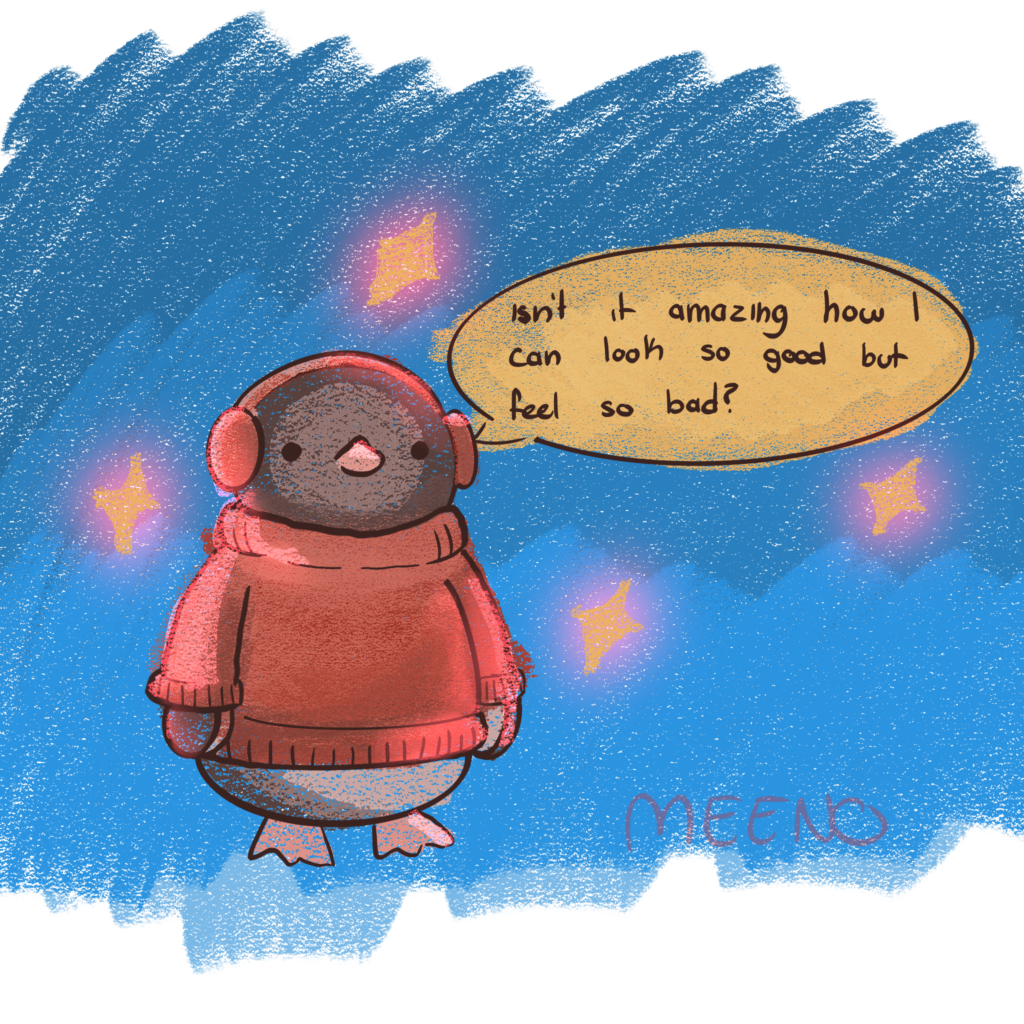
Sorry about the lazier comic this week. I, like many others, got hit by the flu. Figured I could at least introduce a new character (finally) !! Meet Neely the penguin 🙂
Text: “Isn’t it amazing how I can look so good but feel so bad?”
Sorry about the lazier comic this week. I, like many others, got hit by the flu. Figured I could at least introduce a new character (finally) !! Meet Neely the penguin 🙂
I’ve been thinking a lot about thinking. It’s kind of my thing. Words and ideas and images and connections. I think as an artist I’m overly encouraged to keep thinking, which I don’t mind one bit, but I do think the people around me start to tire after they hear enough words.
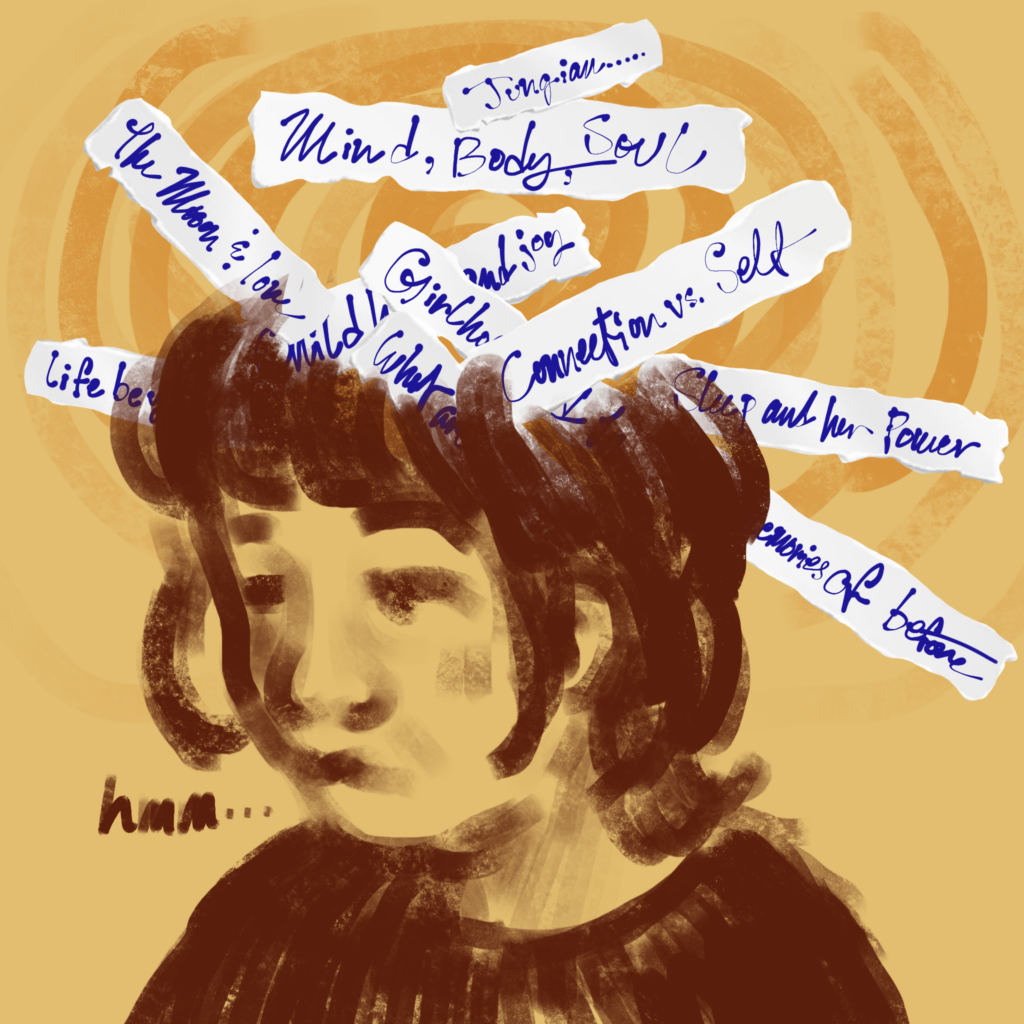
I’ve been pondering the word pretentious lately. I’ve spent my fair share making fun of people and things I’ve considered pretentious. In my corners of the art and music worlds the word pretentious gets through around enough. I spent some time with my thinking this past week and from this came the worrying thought that I was becoming the pretentious know-it-alls I love to despise. I think the word pretentious carries its weight and describes the truth of many situations, but at the same time I think we shouldn’t knock someone or something down who truly wants to understand, explore, or even push the bounds of what they know. I think intent and passion are two factors that takes a person from being pretentious to being curious. Humility and authenticity of course come into play as well and I think that shows up in the intent of sharing thoughts with others. I think in sharing with friends, peers, and strangers you should go into conversations with the desire to learn and make mistakes and find something new in the familiar. For me, I’ve been thinking a lot in relation to my semester-long art project where I’m considering the connects of mind, body, and soul to the physical and emotional space of home. When I start to talk about my project I feel like I sound crazy sometimes, but at the same time I want to stay that kind of crazy because that’s the passion that I’m putting into those thoughts taking form in words. I think starting to understand how other people respond, interact, and digest how I share my thoughts are really important to how they continue to take form in my mind. This idea of cycles and cyclical natures have been reoccurring in my thought process and I find that to be an important thread in my life. Cycles can show us the beauty in the mundane and the excitement in the unfamiliar. I think being a little pretentious allows us to take a peek into these cycles and allow ourselves to get lost in them. Or maybe I am crazy and I think too much for my own good…. but isn’t that just like all the other great artists?
To take into our next week:
Ins: Canned soda, charcoal, sienna (burnt and raw), tangerines, soft shadows, gravy, herbal tea, lavender oil (always).
Outs: Not wearing a hat, cold chins, forgetting to water my plants, dry air, sore thumbs, wet socks, too much heat.
Stew in your thoughts. Stare a thousand yards out the bus window and wondering about the car next to you. Consider taking a new route home and walk alongside your findings. Chew on a word that’s been on your mind lately. Talk a little too much and be a little pretentious. You deserve it!
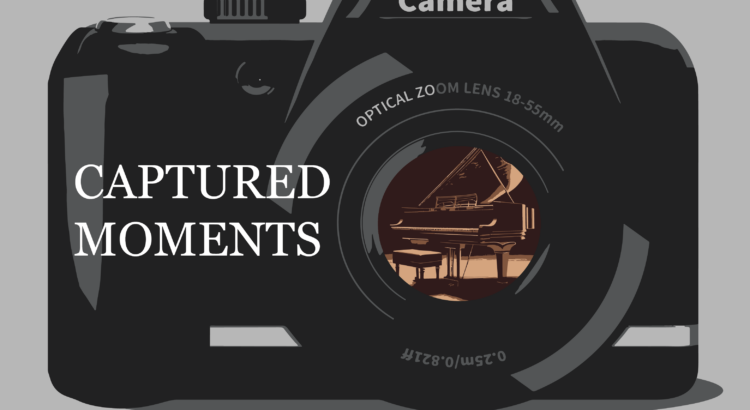
Hello Arts Ink! Welcome back to Captured Moments with Hannah Park. As the Winter semester begins to unfold, I look back on my camera roll, and see a multitude of images of the snow falling down on campus. I love the Winter season, as I love the snow (largely from growing up in Colorado). This past week, as I was walking through the Law Quad in the evening, I captured this picture. The Law Library stands still, with a softening glow of golden light. The contrast between the blue sky and the yellow lights, intertwine beautifully with each other.
A recent song obsession is “Saturn” by Sleeping at Last. I am reminded of this song when I look at this picture because the violin and orchestral arrangement reflects the experience of the sun setting and the night taking over. The piano evokes a sense of weightlessness that mirrors the warm lights of the library. The overall feeling of this song shares the wonder of something grand. As a pianist, I fell in love with the composition of the piano in this piece, as it starts gently and turns into something grand and big. Being able to experience Ann Arbor, is a beautiful thing. As this song reflects the beauty of life, it is a parallel to the glow of the winter season in Ann Arbor.

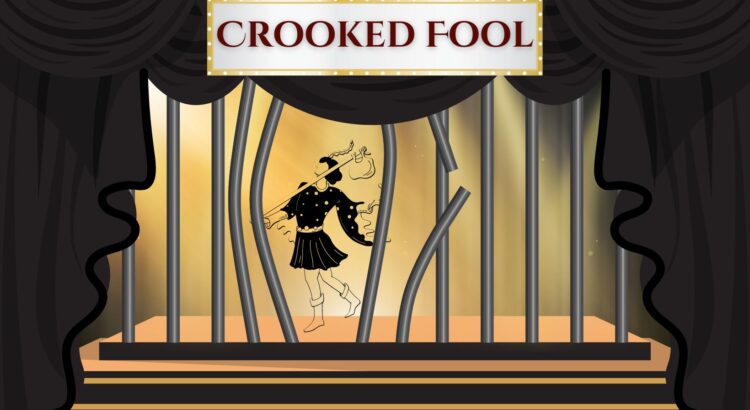
When I was younger, I used to insist that the arts were the most effective agent of change. I’ve also heard arguments to the contrary: that the arts may inspire or even change minds, but that they do not by themselves create change, and that, for some, consuming political art without engaging in other forms of activism may serve as a cop out. I don’t disagree that this is a pitfall, but I do still think that the arts play a bigger role in creating change than we often give them credit for.
The intersection between arts and activism (or, as some would call it, “artivism”) has been an interest of mine for a long time. Lately, I’ve been trying to think expansively about the various roles the arts can play in creating change. I’m still not sure that what follows is an exhaustive list, but here’s what I’ve got so far:
Challenging Narratives
We tell ourselves stories all the freaking time. We think up stories about how our day might go and build memories into narratives to understand where we’ve come from. We tell ourselves stories about how the world works and our place within it, what we’re capable of, and how we relate to other people. And the arts are particularly adept at drawing these stories into question.
If the story we tell ourselves is that everything is fine, things will most likely stay as they are. But if we tell ourselves that the ways things are is unjust, then at least some people will want change. In story B there’s at least of chance of change happening.
Maybe a book shows us how a scenario might play out differently, or a movie makes us see ourselves in different roles than those we are used to playing. Maybe there’s a plot twist or an ending we never thought was possible. Collective narratives play a massive role in how we live our lives and what changes we choose to fight for. They can either uphold power structures or call them into question. Under the right circumstances, the arts can poke holes in narratives we may take for granted and help us understand what a different story could look like.
Educating
Whether we’re talking about a play with a clear plot or a painting that captures an artist’s state of mind, the arts can teach us about people, places, times, and ideas that are new to us. Expanding our worldview can call entrenched ways of thinking and being into question and expand our view of what is possible.
Humanizing
Part of what makes a narrative compelling is empathy. We can understand another living being’s experience because we’ve felt those same needs and emotions play through our own bodies. Maybe the circumstances were different, maybe the stakes weren’t as high, but the sensations are familiar. Understanding how a given narrative can cause someone joy or pain can help us better understand the difference between right and wrong. It helps us understand justice and care and why human beings act the way they do in all their complexity.
Inspiring
I think maybe this is the part some folks get stuck on when they say that the arts do not, in and of themselves, create change. But that doesn’t diminish its importance – if we’re going to fight for something we have to believe it’s important. We have to decide it’s worth taking a risk and raising the stakes. We have to see enough beauty in the story being proposed that we decide it’s worth the cost to get there. Maybe inspiration is still a step or two away from change, but sometimes it’s what kicks our butts and into action.
Visioning
What are we moving toward? What is possible? We want something better, but what might it look like? We may be able to name what the injustices are and insist that we want them abolished, but what do we want to build in their stead? Visioning is where we figure out how we’ll actually move into a more just future. It’s where we dive deep into our creativity to think about what could be. It gives us direction and tells us where to steer a movement, and gives us a comeback when those who would preserve unjust systems ask how we can possibly do better.
Healing
Oppressive systems rely on shame. Everyone has to know that whoever is being oppressed deserves it because they’re Bad, Defective, Lazy, etc. We’ve spent our lives being told stories about all of the ways in which we’ll never measure up and how our humanness is wrong. The arts can challenge these narratives, show us how things might be different, and help us picture ourselves in a future where we exist in wholeness.
Again, this is a working list. I’d be very interested to hear if anyone feels there are points that I’ve missed. But at this moment in time, especially, this is how I’m building a narrative for how I understand my role and what I want to accomplish.

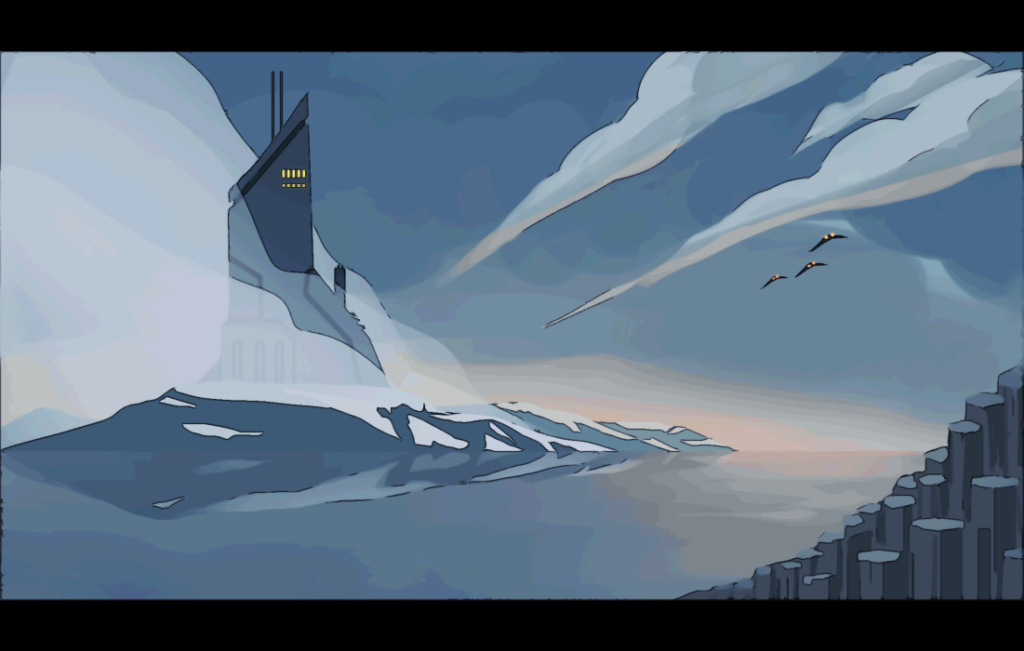
Both warning and shelter at once, this fortress is one of several way stations for island hoppers navigating the icy southern archipelagos of 1c. The surrounding region is often covered in a dense fog and low-lying clouds thanks to lava-driven upwellings, and the occasional eruption can cause severe, localized storms, making the region one of the most perilous to traverse. Like most structures on 1c, it has a deep underground network for harnessing geothermal energy and a small cache of resources in the event that a visitor requires shelter from a storm.

Hummingbird
what must it be like to know someone?
not their favorite color or where they went to high school or where they want to retire or how they like their scrambled eggs on any given Sunday
but the texture of their skin
the patterns on their fingertips
born in the womb of their mother
the webbing and weaving
are they high-strung or laid back?
with skin that sags around soft eyes
and peach fuzz
molded lips that taste of
dark-roasted coffee
and the beating in their chest like a hummingbird
when I press my ribs against, hip bone against theirs
we make a sculpture that breathes and pours
with sweat and some saccharine
pleasure in the moment
a pulsing and pressure
the roughness of legs
shaved two days ago
the bowing of their side and the curve of their arms
bracing and borrowing glances
eyes closed, mouth wide
taking honeysuckle and morning dew
speaking only of cardamom and chamomile
whispering of rapture
to be enchanted in a body
to feel, to know

