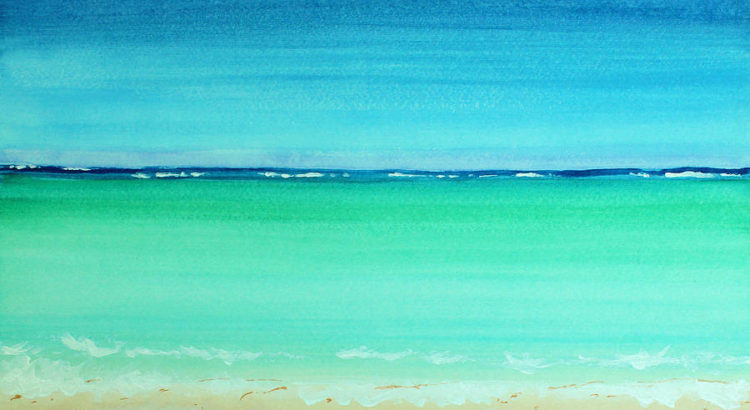
lungs filled with water
swallow it slowly
gulp it down gently
but while you’re at it
stare into the blue chlorine
remember how beautiful
the sky looks, twisted by refraction
(Image credits: Google Images)

lungs filled with water
swallow it slowly
gulp it down gently
but while you’re at it
stare into the blue chlorine
remember how beautiful
the sky looks, twisted by refraction
(Image credits: Google Images)
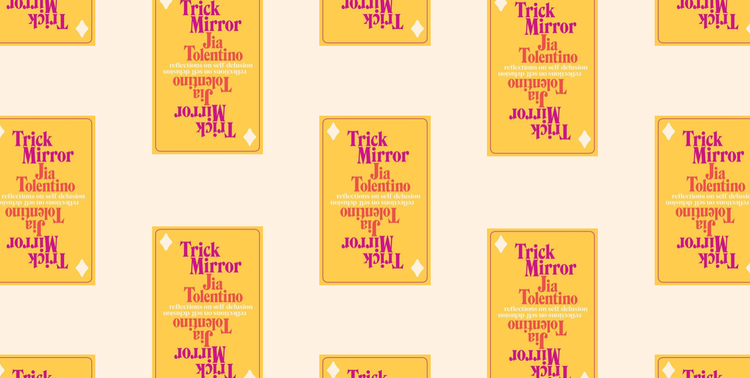
A few days ago, I started reading a book that has been sitting on my “to-read” pile for months: “Trick Mirror” by Jia Tolentino, a collection of essays on self-delusion. Some of the essays are about the Internet, a lot of them are about feminism in the 21st century, and one examines Tolentino’s stint on a reality TV show.
So far, “The I in the Internet” has stuck with me the most. In this essay, Tolentino traces the Internet’s humble beginnings to its current form as a time-draining, soul-sucking monstrosity. She then explores how “likes” and “retweets” have taken the place of real-life activism. How a surprising parallel can be drawn between scrolling and “rat behavior” (staring at our phone is rarely rewarding, but we keep at it on the off-chance that it will next time). And finally, how the Internet forces us to always be performing. We always have to be “on” for everyone — our family, our friends, our coworkers, and strangers all at once. So much of this resonated with me. I couldn’t help but think of all of the times I’ve read a headline on Twitter, “liked” the tweet, and kept scrolling without ever taking the time to read the article or think more critically about the issue.
All of this has got me thinking about what’s working on the Internet (and what’s not) in today’s context. Gal Gadot and friends’ “Imagine” cover was practically booed off the Internet. Why? I think it’s because it’s easier to see through celebrities’ “retweet” activism and for their performances to feel fake. On the other hand, something that I’ve really enjoyed seeing are random livestreams on Instagram and Twitter from some of my favorite artists. They too are performing, but I think the difference is that they are explicit about the purpose of their performance. Gadot’s cover sounds like millionaires’ pity, a favorite musician’s livestream sounds like your favorite music.
Maybe what’s most comforting about the Internet right now though, is what Tolentino condemns as rat-like: scrolling. Tiger King and Fiona Apple’s Fetch the Bolt Cutters have made for fresh Internet fodder. The collective experience of quarantine has made for a daily new batch of memes, challenges, and viral videos. And honestly, it’s all pretty comforting. My immediate reaction to reading “The I in the Internet” was to get off of the Internet forever. By the next afternoon though, I had succumbed to the blue light. I have too much time on my hands not to give in to pleasant, mind-numbing distractions. Still, I think that it’s incredibly important to be critical of the Internet itself, as well as the content it produces, as people are glued to their screens now more than ever.
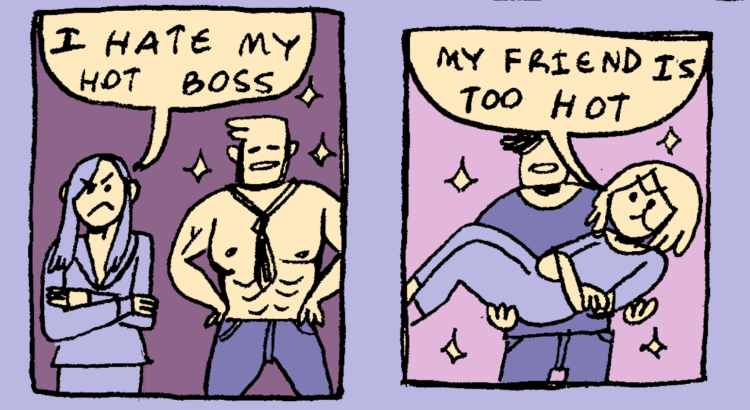


Heyo! Marge bringing you another comic about what will surely become unhealthy coping mechanisms. Webtoons are fun, but please read responsibly (i.e. don’t be like me).
Last summer, I had the opportunity to live and work in Ann Arbor. From the Ann Arbor Summer Festival’s Top of the Park series to the Ann Arbor Art Festival, there were a variety of events and activities to enjoy. Along with these, I went to parks, restaurants, and other parts of the city I hadn’t been to previously. One place was the Ann Arbor District Downtown Library (AADL). I made frequent trips to the library, not only for books, but for the events led by the library’s incredible staff and guest speakers. In addition to being fun and educational, many of the events were part of the AADL’s Summer Game.
The AADL’s annual Summer Game consists of finding codes, solving puzzles, and more via the library’s catalog and branch libraries. There are also opportunities to earn online badges, rate/review items in the library’s catalog, and log what you’ve been reading. There are also codes at various locations in Ann Arbor, encouraging participants to explore the city. These codes and challenges are used to earn points that can be redeemed for an array of real-life AADL prizes at the end of the summer.
I had a blast playing the Summer Game and received some awesome prizes (shout-out to Friends of the Ann Arbor District Library). So, you can imagine my excitement when I found out about the “Bummer Game.” With everyone hunkered in their homes for an unknown period of time, the Bummer Game offers a neat distraction from boredom or stress. The game includes online puzzles to solve for badges and points, which can be used toward the 2020 Summer Game. For Summer Game fanatics, this is a great way to gain a head start in earning points to spend on AADL merchandise at the end of July. For new players, the Bummer Game could be a nice introduction into the Summer Game. Either way, it is a cool activity to curb boredom and switch up your Netflix and quarantine routine.
Both the Bummer Game and the Summer Game are unique opportunities to discover new books, trivia, and more. Besides offering points and prizes, the Bummer and Summer Games present interesting ways for people to learn about history, art, literature, and more. Like its summer counterpart, the Bummer Game doesn’t require a library card, just an online account which you can use to keep track of points and order prizes.
Click here to start playing today!

This one is dedicated to everyone else who’s moved back into their childhood home recently.
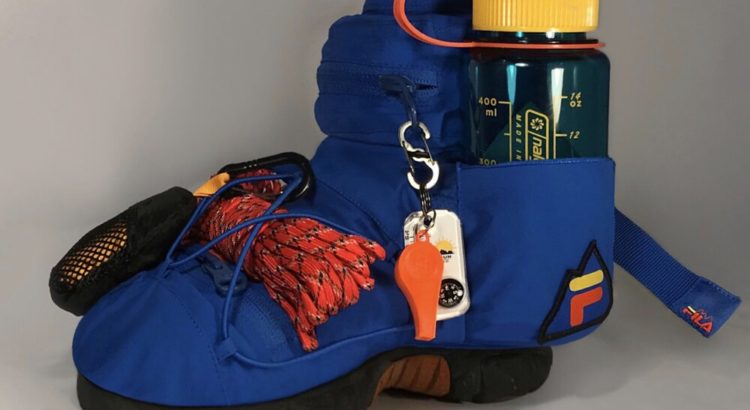
Nicole McLaughlin is a Boston-based artist and designer who produces one-of-a-kind fashion creations. Her zany accessory designs, including a slipper made out of tennis balls, or a vest fashioned out of cereal bags, span all sorts of materials and brands. I came across Nicole McLaughlin’s Instagram page over a year ago, intrigued by the hype surrounding upcycled clothing.
The young designer has also achieved more fame due to her footwear and accessory collaborations with popular brands, such as HighSnobiety, Reebok, and Opening Ceremony. She now boasts an impressive following of 384,000+ on Instagram.
McLaughlin’s compositions are the kind of simple but wonderful creative explorations I wish I could make–some designs are hilarious but impractical, others visually delightful. A graphic designer by day, she fabricates her personal experiments for the fun of it. McLaughlin’s designs are always pleasantly surprising–I’ll definitely be on the lookout for more of her work to come.


All images via Nicole McLaughlin
