
The star of this week’s comic is my sister’s tiny dog Angel, with some cameos from my mom, my sketchbook itself, and a tree wearing my dad’s hat. Thought it might be fun to get a little sketchbook peek alongside the comic. Stay safe, y’all.

The star of this week’s comic is my sister’s tiny dog Angel, with some cameos from my mom, my sketchbook itself, and a tree wearing my dad’s hat. Thought it might be fun to get a little sketchbook peek alongside the comic. Stay safe, y’all.
When I visit home from college, I’m usually welcomed with my favorite meal, a steaming bowl of chicken pho. The Vietnamese noodle soup has been one of my favorite foods since I was a child, and my mom would spend hours preparing the aromatic broth. Pho is somewhat of a cure-all to me–whether it be a bad day, a cold, freezing temperatures, or homesickness. It connects me to Vietnamese culture and never fails to make me feel better.
In my poster design class, I recently created a triptych series of noodles–yes, noodles. For now, I’ll share the pho poster and provide you with a recipe that can inspire your next quarantine project.

Classic Pho Ga Recipe
Serves 6
Ingredients
For the broth:
6 star anise
6 cloves
1 tsp whole black peppercorns
3 pounds chicken backs, necks, or drumsticks (almost any cheap part will do)
1 whole chicken, cut in half
1 piece ginger, around 4 inches, cut in half
2 yellow onions, peeled
1/4 cup fish sauce
2 tbsp sugar
1 tbsp salt
For assembly:
1 pound dried rice noodles
1/2 yellow onion, sliced very thin
3 scallions, chopped
1/2 cup cilantro, chopped
1 pound bean sprouts
15-20 sprigs Asian basil
1-3 serrano chilies, sliced (optional)
1 lime, cut into wedges
Instructions
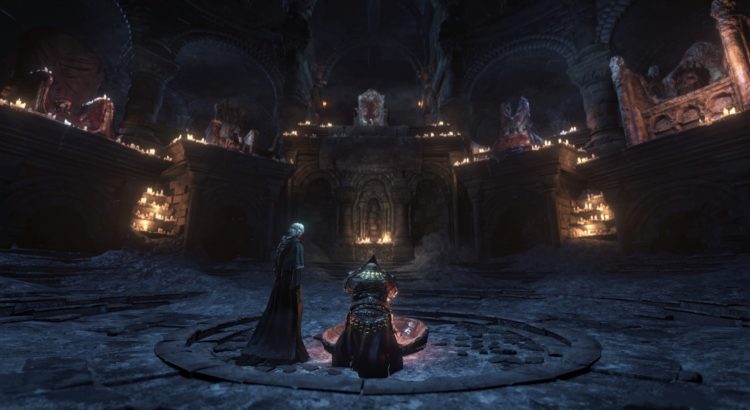
Video games are undoubtedly a work of art: they combine immersive graphics, impressive design, originally composed music, and complex writing and storytelling to create a cohesive masterpiece. Of course every game is different, and each has its strengths and weaknesses, but overall they’re one of the most unique and interesting ways in which many different art forms can come together. Surprisingly, I had never consciously acknowledged the cinematic qualities of video games, but I always found myself taking screenshots of amazing moments, or lining up the camera in just the right way to show off an impressive view or landscape. It could be argued that I’m a bit overly sentimental, and that’s probably true, but there is something so powerful about a cinematic picture of a great game and the associations that it creates. I’m not the only one that feels this way; many games have even added photo modes, allowing normal players to take stunning pictures in-game and share them with other players, plus the PlayStation 4 has both a snapshot and screen recording feature, testifying to the popularity of saving favorite gaming moments. I find this trend interesting, especially as games get more and more realistic. Is there a potential future where video games become a dominant medium for photography? Is it possible that video game photography could be its own art form? And who gets credit for the artistic value of the photo; the game developers who created it, or the photographer that took it? Regardless, here are some of my own video game photos as inspiration, and perhaps to get you thinking about the artistic value of the medium:



When life is “normal” I think our routines and interactions prompt our listening habits. For example, in the gym you might listen to a hip-hop playlist on Spotify. Studying at the library, maybe you put on classical music or “lo-fi beats.” But what happens when you don’t go anywhere? Or see anyone? What does music sound like when every day is the same?
Personally, I’ve gone through a few different phases.
So what does music sound like when the world hits pause? As best as I can figure, it sounds like whatever keeps us sane in the moment. Rooted in place, time can start to feel numbing. But music is a way to change that — to boost your mood or switch your lens. What have you been listening to?
(Image Source: Unsplash)

Hope everyone is getting a chance to get some sun this week, especially if you’re still in Michigan!

