“Last Days in Vietnam” and Responsibility in Documentaries

The Vietnam War continues to be fresh in Americans’ conscious as one of the last conflicts of the Cold War, and “Last Days in Vietnam” does a detailed job in preserving the war’s memory by featuring interviews with American and Vietnamese people who lived through it. The film brings history to life, but its lop-sided coverage of the war shows the dangers of documentaries engaging in political issues.

The conflict is a very sensitive matter, which the Vietnamese refer to as the American War since it was a brutal satellite war for America to forward its imperialist interest in maintaining superpower status. The documentary does not get the perspective of the opposition to American forces. All the interviewees have ties to the United States, either as members of the American armed forces or as Vietnamese refugees who escaped to our country.

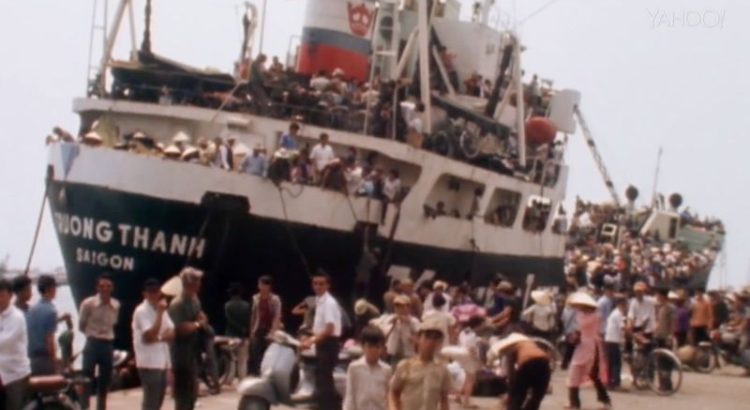
This does not mean there was no value to the film. To hear the first-hand accounts of the American men who actually fought the war was gripping, especially their very human emotional struggles as they dealt with the impact the conflict had on civilians who lost their homes and lives. The archival film footage of bombings, evacuations, military exercises and the like made vivid the clear descriptions of the Vietnam War I read about in history class. The tragedy became much more comprehensible by showing the individual people and actions it takes to mount a war in the first place. But the lack of perspectives outside of the forces with America makes the documentary a simple and concise history of only the mainstream American narrative of the war. To not have this view counterbalanced with that of the Soviet-allied forces makes the loss American forces hard to understand. There is no focus on the achievements and developments on the Soviet side that led to their success. Only the work of the American forces is then appreciated.

The documentary is very good on a technical level. At the beginning, I was deceived into believing that the incredibly conventional editing of the documentary would contain an incredibly conventional story. Instead, the intricate and chaotic nature of war strategy plays out in the most visually literate manner possible. However, if the viewer does not have a nuanced education on the Vietnam War, this film could do them a disservice by only presenting one flawed view of the conflict, and even then not focusing on the Vietnamese people who were most impacted. While chronicling America’s involvement in the Vietnam War, at no point does the documentary dive into historical analysis, leaving me wanting more. I’m sure the interviewees have strong views on the war that could have been shown in a balanced way to the benefit of the viewer’s knowledge without getting mired in politics.

I don’t consider the limited scope of the documentary a fatal flaw. To include the Soviet side would be to extend the documentary far past its hour-and-a-half running time, and would expect a movie to be as authoritative as a vetted history textbook. However, the lack of self-awareness in its obvious bias is concerning. As the saying goes, history is written by the victors. Those who truly respect history must resist this vantage point.

getting through the semester

(Awashed by Nur Sarah)

In moments when it seems classes and assignments are starting to become overwhelming, I find this poem I wrote myself hidden in my notes. “It can’t be dark forever”, the phrase I need so much right now.

Often times, it can be tempting to think, “Why is university life centered around so much studying?” as if we have no other purpose. It can seem daunting, thinking about our assignments that await us, the gnawing feeling that we always need to study, to catch up with things. And all for a scroll of paper from the university.

Even during my internship, I found work genuinely more enjoyable than just studying. Sure, there were work performances due every year but besides that we were not graded every three weeks on how we were doing. I was learning a lot while trying to figure out how to do my work. I also did not find my degree to be particularly useful for my internship, leading me to question the usefulness of the degree altogether.

Maybe, just maybe I have yet to see the benefits of studying for my degree. Perhaps things will make sense later, as they always do. Time will tell but until then, don’t give up. Keep living, stay afloat amidst all the incoming work from classes. And take care of your mental health.

architecture… does it have limits?

credit: instagram @themichiganarchitect

Architecture, the most broad discipline by far… does it have limits?
I certainly believe so, despite my passion for the field.
Architecture is limited between the fight form has with function; architecture is the result of the compromise of these two components.
Architecture is limited by technology. Ever since there was software created, more wild shapes have been encouraged in design. Back in the day, without such powerful software available, past architects instead had to rely on their genius mind power and artistic talent to produce the blueprints for their designs, Whereas today, we have people who care just barely draw, who can turn to software drawing to save themselves from being fried at their next review, and it also allows them to turn the model round and round virtually to literally see how all the elements of their design go together.
The perception of architecture is also limited. As an architecture student, I am constantly assigned projects that question my design abilities, but also must fit to a certain narrative. Yes, we get our own options to interpret the prompts for ourselves, and create our own “solutions” to the presented objectives, however I always question the necessities of the narrative portion. In our projects, I believe the narrative (the story or point we want to demonstrate through our design) simply serves to spur our designing. We think up a storm, to convey a meaning behind our project designs; sometimes we are successful, other times not so much.
What I’ve always found interesting about that is, the narrative is often times the reason for headache and heartache for us and our projects… however, hypothetically speaking, if these projects were to be real proposals in the actual world, I doubt anyone would be able to i(or let alone have the interest to) interpret our narratives behind the design. It’s like, why spend so much time crafting a story, that audiences cannot even see, or do not even wish to see? Perhaps, the reality is that these narratives exist just to capture ourselves as designers to have a fascination and passion for the project, which would in turn power our hard work and determination to do our best in the project, and designing it too.

Not a Blue Wave, But Historic Victories

credit: NowThis/itsjarms

I’m sure you’ve been paying attention to the recent midterm elections, which occurred this past Tuesday. I certainly hoped you exercised your civil rights to vote (no matter how screwed you think we are or aren’t)! People have said that this election cycle could change the future of America and perhaps even democracy itself. Many Americans are worried about the future state of the country, including myself. When tyrannical presidents threaten the nation into near fascism, it’s essential to speak up and effect change.

Tuesday marked a landmark election day, even though the supposed Blue Wave was not as successful as expected. In one of the most watched Senate races, Texas conservative Ted Cruz claimed re-election over the Democrat Beto O’Rourke, who lost by only a few percent. While Republicans maintained their hold on the Senate, Democrats claimed the majority of the House. With the majority blue, possibilities for impeachment become closer to reality.

Despite the undermining of democratic institutions in today’s harsh political climate, there were unprecedented wins for diverse candidates: voters were able to send the first Muslim women, Native American women, and LGBTQ+ women to Congress. The first openly gay man was elected Governor in Colorado. These historic wins represent a tide turning in the United States. Maybe people are more accepting than previously thought, and can look beyond ideological differences to vote for candidates who present political competence. We can work toward a more inclusive, democratic, and informative political environment. And hopefully, real changes will be made effectively and quickly.

The Joys of the Fall Season

For some, saying goodbye to the summer season is a difficult thing to do. For others, welcoming the fall season means preparing for a period of bright colors, cool weather, and a series of holidays. From a personal standpoint, I rejoice at the first sign of “sweater weather.”

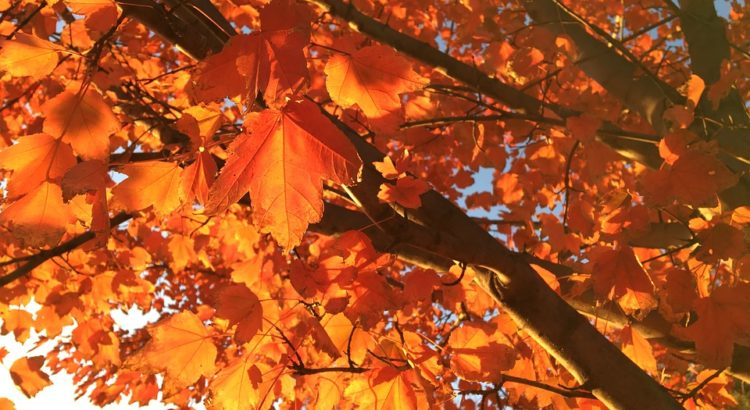
Fall, otherwise known as autumn, is full of great weather, good food, and fun activities. The season is perfect for taking a visit to a cider mill, spending time with friends around the campfire, or simply enjoying the scenery. Sunsets in the fall present a brilliant orange hue unlike any other, and the darker, cooler starry nights often seem magical. Vibrant reds, oranges, and yellows cover maple trees, allowing you to gaze at an artistic masterpiece just by looking out the window. Fall is a great time to take a walk outside, as there’s something satisfying about walking under a canopy of fall foliage and hearing the sound of crunching leaves underfoot. In addition to providing natural beauty, the season presents an opportunity for growth, as fall brings a new school year and new experiences.

Fall is a busy time, packed full of events and activities to look forward to. Holidays such as Halloween, Thanksgiving, and Christmas mean plenty of celebrating. There’s also a galore of fun things to do, as the fall season is a great time to go camping, hiking, and more. Seasonal activities such as picking apples, attending a college football game, or conquering a corn maze are great ways to make memories with loved ones. Furthermore, there are opportunities to carve pumpkins, go on a hayride, and share delicious food with family. Along the topic of food, there’s plenty of it, including an abundance of pumpkin pie and sweet potatoes. In addition to traditional seasonal delicacies, there’s apple and pumpkin everything, including that pumpkin spiced latte you love to post about on Snapchat.

Another wonderful thing about fall is the weather. Cold drizzles indicate that it’s the perfect time to light a fire in the fireplace and snuggle up with a cup of tea or hot cider. The words “cute,” “comfy,” and “cozy” come to mind when breaking out the suede boots and fuzzy blankets, as the first slight chill in the air calls for donning comfy sweaters and scarves in preparation for the cooler temperatures. Instead of worrying about drowning in sweat or getting a sunburn, you have the chance to decide which oversized jacket or flannel to wear next.

On a deeper level, fall serves as a reminder of the changing nature of life. During this time, the life cycle of many plants finishes or turns into the other stages, with the dead leaves on the ground disintegrating and turning into part of the soil. The change in scenery presents an opportunity to reflect on the impermanence of things, with the need for us to continuously grow and embrace the present. As such, fall is a great time to think about what we are thankful for. With so many different holidays and activities, it is perfect for cherishing and spending time with loved ones. Overall, fall gives a sense of comfort, fun, and reflection that makes it a truly unique and enjoyable season.

Technology Influencing Art

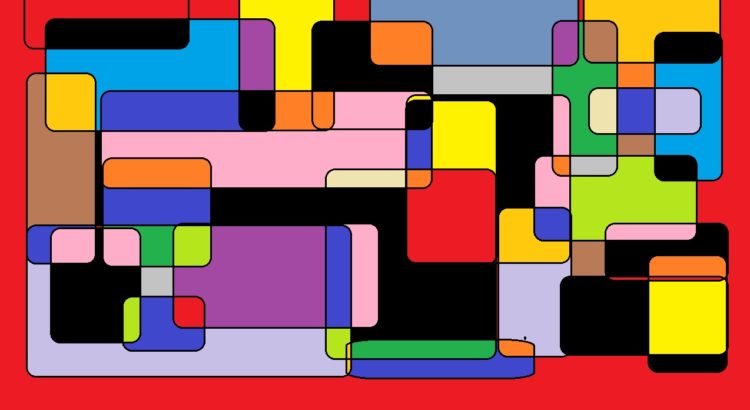
Throughout history technology has influenced art in different ways.  It was used as a medium, like photography and movies. It is also used as an enhancer, like photoshop and video editing.  Technology is also featured in art, with paintings of phones and street lamps. As technology progresses, it becomes easier for all people to use it.  The biggest example for most millenials, including myself, used microsoft paint at one point to make their own art.

Computers have influenced art in a very profound way.  The internet is the biggest factor of this, but it is not the only thing you can do on a computer for art.  The biggest example that I can think of, and that I personally use is microsoft paint. I would spend hours on paint making circles and coloring them in different colors to make an abstract painting.  Another example of non-internet art is photoshop and photo editing. It is very common for people to take their photos and change them to black and white or putting another filter on it. It also used to be a fun past-time to photoshop celebrities into pictures and onto funny backgrounds.

The internet is a big proponent of making art more tangible for the public.  Now people can look up famous artists from the past and present. With a quick Google search one can find out the personal information and art styles of famous artists throughout time.  This means that art can now be seen in more places than just a museum. Schools take advantage of this when teaching students about art. Now they can pull up photos and video tours of large and expensive museums that they can not afford to take their students to.

Social media in particular allows people to be more creative themselves.  It creates a forum for people to express themselves by posting their art online.  Whether that be art that they did not create using technology, like drawings, or art created by technology, like photos.  Social media also allows people to learn how to create art. The biggest example of this is Pinterest, where there are thousands of DIY art projects for whatever you could possibly need.  Youtube also has a lot of DIY content for people to learn whatever they need. I personally use Pinterest on a regular basis for DIY ideas and art projects.

Overall technology, computers specifically, have made art more accessible to the public.  This has helped make people more creative and learn more about art technique and art history.  The internet pushes people to explore their creative sides and to try new things that they never thought they could do before.