An Introduction in 5 Songs

Hello! I’m Jackson, and this is my weekly music column, -core. As you all will primarily be getting to know me through my musical opinions and the like, I figured what better way to introduce myself than with some songs? Before I do that, though, here’s a bit about me and why I started this column. I’ve been into music for most of my life. As with many others, I grew up hearing music on the radio and from my parents, usually classic rock, 80s hits, and 2000s pop. However, it wasn’t until my early teenage years that I was exposed to the emo and punk music that eventually led me to where I am today. Along with being an amateur musician myself, I’ve always found music and the discussion around it fascinating, especially in the online music criticism community that’s grown in recent years. Talking about music with others is one of my greatest joys, and one of my hopes for this column is to get some good conversations started around music. In brief, for this column I’ll be covering new and not-so-new releases, local artists, specific genres / eras, and whatever else interests me. I’m entirely open to feedback and suggestions, so if there’s an artist, album, or anything else you’d like me to talk about, let me know!

Now, with that out of the way, here are five of my favorite songs at the moment.

1. Oblivion – Grimes

Starting off my current favorites list is “Oblivion”, the famed single from Grimes’ 2012 record Visions. I’ve encountered people (including my former self) who question the indie credentials of enjoying an artist’s most popular song, but in many cases, including this one, there’s a good reason why that certain song is so popular. Despite being nearly 10 years old, “Oblivion” is a futuristic work of genius, in both its production and songwriting. The stuttering beat that loops through the majority of the song is instantly ear-grabbing. The bright pianos in the post-chorus and the vocal samples that dominate the outro are lovely touches as well, all combining to create a rich, blissful sonic landscape. Yet the real appeal lies in Grimes’ vocals, which weave through the instrumental with an airy but effective presence. Add in the lyrical detail of her attempts at empowerment following a horrific assault, and you’ve got one of the most compelling pop songs of the past decade.

2. Easy/Lucky/Free – Bright Eyes

I had long been aware of Conor Oberst and his musical endeavors (Desaparecidos, Better Oblivion Community Center, etc), but had never taken the time to check out his main project, Bright Eyes. I recently listened to their pair of 2005 albums, I’m Wide Awake, It’s Morning and Digital Ash in a Digital Urn, this song being the closing track on the latter, and I’ve been unable to stop coming back to it. It’s a unique song for Bright Eyes in that it sounds huge, filled with dreamy guitars, swaying grooves, and an irresistible, yearning vocal melody. Outside of the strange inclusion of a sample of a baby crying, it could almost be a Beach House song. The bleak, dystopian lyrics contrast the breezy sound of the song, all talk of police states and bombs being dropped. The phrase “refrigerators full of blood” is especially chilling, not least for its resemblance to the “I open my wallet, and it is full of blood” line in a similarly apocalyptic track by Godspeed You! Black Emperor, “The Dead Flag Blues”. But despite its inherently dark nature, by the time Oberst near shrieks his final chorus of “Don’t you weep”, and the song glitches and skips like a broken tape, it’s hard not to feel a bit more content in the face of our inevitable future.

3. Immaterial – SOPHIE

I would be remiss to not include something on this list by the late, great producer SOPHIE. Primarily known for her contributions to the bubblegum bass and electronic pop field so popular today, she’s produced for the likes of Vince Staples, Charli XCX, Let’s Eat Grandma, and Madonna, as well as her own work. While I never dove deep into her work before her tragic death this past January, I always held her in high regard for just how influential and innovative of a force she was in music. This track from her sole studio album, Oil of Every Pearl’s Un-Insides, showcases her skills as a master of sound and style. It’s bold and loud, but never overbearing or tacky. I don’t know how else to describe it except that it goes hard. Everything from the pulsing, blown out beat to the bright synths to the earworm chants of “immaterial girls, immaterial boys” just works. Once people are able to go out dancing again, I’m hopeful they’ll play this track, among others of hers, in an homage to her power as a wildly important trans artist, and to the joy she brought so many.

4. Plug In Baby – Muse
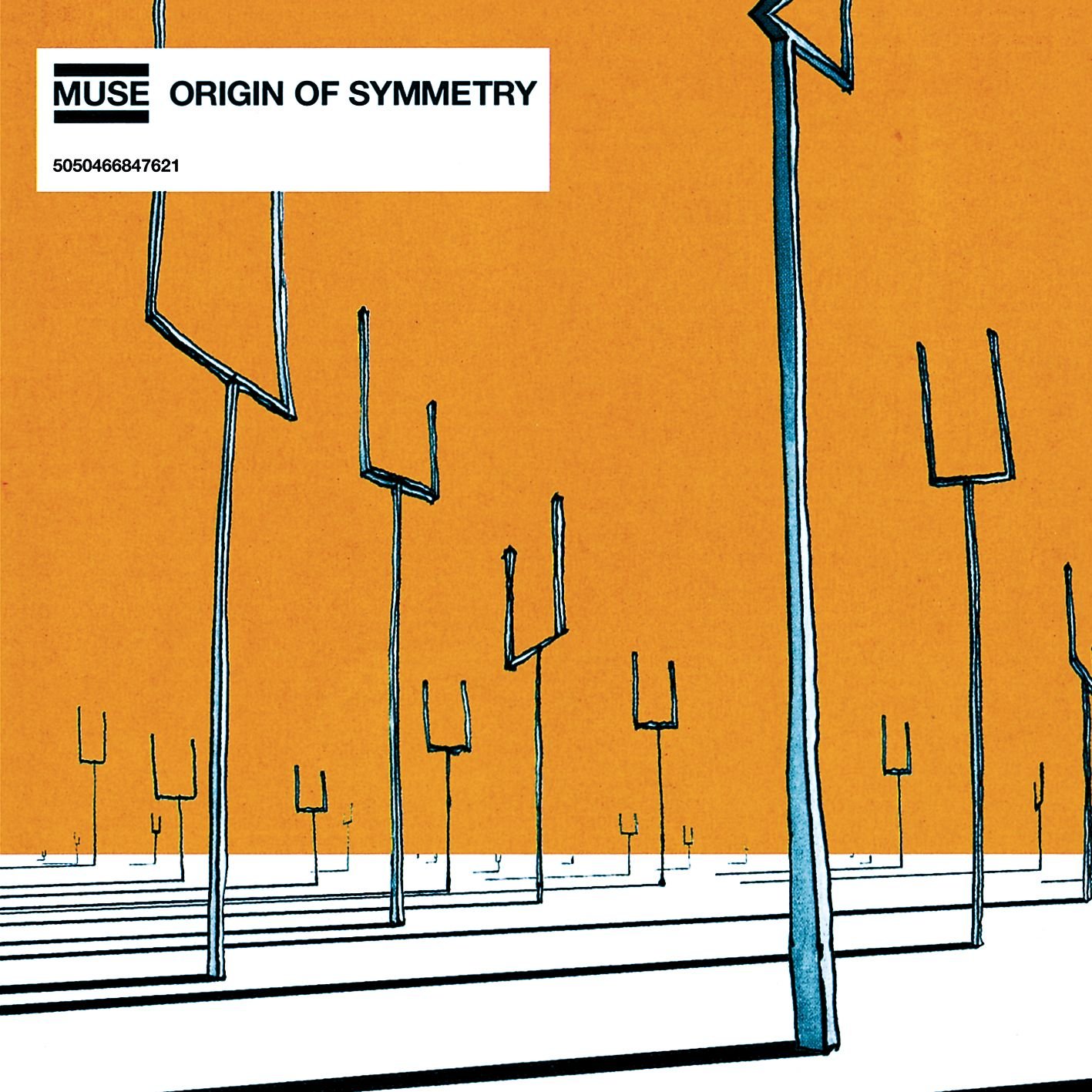
We’re throwing things back a bit with this one. I’ll be upfront: I think this is one of the greatest rock songs of the 2000s, and possibly of all time. Maybe I’m biased; it was one of the first riffs I learned on guitar that I actually felt cool playing, so I have a soft spot for it. However, I didn’t really pay attention to the song as a whole until earlier this year when I went through some of Muse’s earlier work. For me, listening to “Plug In Baby” is pure joy and adrenaline. Nothing gets me hyped like the blast of distortion before the guitar comes in. I could go on about the riff forever, but in brief, it’s one of the most seamless, well-composed melodies I’ve heard on guitar. There are some sour notes in there, but that just makes it more impressive that it all flows so smoothly. Outside of the riff, the actual performance of the song has great energy coming from every member: the bass and drums lock in together tightly, the guitars are noisy but not overbearing, and frontman Matt Bellamy’s voice is remarkably dynamic. His ability to enhance the drama of a song, as well as his knack for composing razor-sharp melodies, is seen in spades here, especially in the chorus. In my view, this song is essential because it operates on one simple notion: keep things to the fundamentals. Every part is entirely necessary, and as such, it doesn’t need any bells or whistles to make it great. It just is.

5. I Know the End – Phoebe Bridgers

I won’t go too deep on this track, as I plan on talking about the album it comes from, Punisher, in a future post, but I figured I should at least include it for the somewhat recent “controversy” it raised when it was performed by Bridgers on Saturday Night Live. Near the end of her and her band’s performance, she smashed her guitar in similar fashion to countless other rock musicians before her. I didn’t think too much of it other than that it looked cool, despite being a little cliché, but the Internet went pretty nuts over the whole thing, mainly old men who get angry about women doing anything men have already done for decades. It was completely ridiculous, but thankfully Bridgers took it well, responding in an Instagram post, “next time I’ll just burn it and it will be more expensive”. As far as the song itself goes, “I Know The End” is the dramatic conclusion to an already emotionally intensive record. It builds over the course of six minutes from a standard Bridgers ballad to a grand, expressive climax featuring horns, screaming, and a reprise of the harrowing melody heard on the intro to the album. It is simultaneously life-affirming and completely devastating in the way only a Phoebe Bridgers song could be. It is everything I want in a song from last year, and I’ll be listening to it long after the chaos that birthed it has passed. Hopefully, at least.

poco piano: Maniacal Dancing

This is the last movement of Rach 2 and most likely the last post I’ll be making about this piece. *disclaimer* there is one very very very wrong note in this piece and I hit it quite hard but there wasn’t any time left to record so I just kept on going *disclaimer over*

This movement always scared me. It scared me in a good way because of it’s virtuosity and it’s glamour. To me it felt like I was excited to jump off a cliff. (like those cliff jumps into some lake or whatnot) This is the height of pianist virtuosity, there’s a sharpness in this piece that begs for attention both from the audience AND the performer. Up until the last week before I recorded this movement, what ran through my mind was always “faster! more brilliant! more powerful! more charismatic!” So that was how I played- sometimes I played as fast as a could and with as much of myself as I could and it would fall apart and crash and burn like dropped ice cream cone– splat on the sidewalk. Somehow I came to the realization (even though my teachers and friends were ALWAYS saying that I played too fast), that I could play it in a more controlled manner and have it actually sound better. Less maniacally and more dance like. The thousands of notes aren’t there for virtuosity’s sake but for added flourishes and garnishing of the melody and theme.

No doubt some will still say that I play too fast and out of control and I would have to concede “yes, that’s probably true”. However, I think I’ve come a long way from maniacal dancing around the fire like some pagan ritual to a more refined form of dancing. Less stomping around the fire chanting and more light two step flying around the ballroom. Hope you enjoy!

Art Biz with Liz: The Masked Dancer

Today, I found myself spiraling down a YouTube binge. One video turned into another until two hours had passed in the blink of an eye. Instead of the usual vine compilations, however, I watched clips from Fox’s new show, The Masked Dancer.

While I only stumbled across The Masked Dancer this morning, I’ve previously watched a few episodes of The Masked Singer, a singing competition television series based on the Masked Singer franchise that originated in South Korea. In the show, celebrity contestants sing songs in elaborate, head-to-toe costumes that conceal their identities. Clues are provided throughout the season, and panelists attempt to guess the celebrities’ identities. The panelists and audience members vote for their favorite singer, and the celebrity with the lowest number of votes is voted out and unmasked.

The Masked Dancer is fairly similar to its predecessor, though celebrities dance instead of sing. Dance genres include tap, salsa, and more, which is interesting given the differences in dance backgrounds among celebrities (some have extensive training whereas others have none). Like The Masked Singer, the over-the-top costumes worn represent a range of characters, including Tulip, Moth, and Ice Cube in the show’s first season. Ken Jeong acts as a returning panelist from The Masked Singer, with Brian Austin Green, Ashley Tisdale, and Paula Abdul appearing as new panelists.

Luckily for me, I discovered The Masked Dancer mere days after the show’s first-ever finale, which meant that I didn’t have to endure an excruciating wait to discover the identities of my favorite characters (spoiler alert if you click on the hyperlink). Of course, the hidden identities are part of the fun. There’s one moment in the show where the contestants’ voices are unmodulated for a segment called “Word Up,” and even then it’s just one word. It’s enjoyable to make guesses based on the celebrities’ dance moves and clues sprinkled in throughout the show.

Image result for the masked dancer
“The Masked Dancer” Promo, Courtesy of Fox

The dancing, humor, and mystery element all contribute to the show’s entertainment factor. Of course, the show wouldn’t exist without the arts and outside influences, either. The costumes in the show are intricate and zany, showcasing a variety of colors and textures. Ingenuity and imagination are necessary to create the artwork and actual pieces for the costumes within limited time frames. The dance performances, true to the show’s name, reflect dance as a form of art. The mechanical side of the performing arts form is important, as are the sense of rhythm and expression of emotion. The show is also associated with music, important to both The Masked Singer and The Masked Dancer. Overall, The Masked Dancer seems like an engaging show that I’d be interested in binge-watching again.

Looking Forward: Relevé Dance Co

Happy Friday, everyone!

This week on Looking Forward, I had the opportunity to speak with Samantha Kasselman and Carly Abrahams, Co-Presidents of Relevé Dance Co here at UMich. They told me about how their organization has adjusted to COVID, the future of their organization, and their upcoming events. Let’s dive into it!

Picture taken pre-COVID

Relevé Dance Co is a student-run dance company that focuses on lyrical and jazz styles. In a typical year, they practice twice a week, developing their technique, strengthening their skills, and learning choreography for their April showcase. Their members are mostly students who have danced for some time before coming to college but are usually not majoring in dance (though many students do continue to take classes through the dance program here). They highlight student choreography by their own members and pride themselves on having a tight-knit group.

It’s no surprise that many of their operations have had to shift this year. First semester Relevé moved to be completely virtual, and Samantha and Carly had to figure out how they could continue to make the organization a mental health break and provide stress relief for their members when they can’t get the change of scenery they usually do. Additionally, they had to be much more flexible than usual with some of their choreography, understanding that not all members had the physical space to move how they normally would. Though they’ve been able to move some of their rehearsals to be in-person this semester, following COVID guidelines put in place by the University and Washtenaw County, there are still restrictions that make it different from a “normal” rehearsal. Physical touch, for instance, is something that they realized was taken for granted in previous choreography and rehearsals.

Check out one of their most recent rehearsal videos here

Samantha and Carly have still found some silver linings, though. 

Samantha explained that “…in a normal year, when we’re always dancing in person and always together, it’s almost like we conform to like one style or some people’s choreography and different things but now that we can all kind of focus on like the creative process in our own spaces that we live, work and, like, that type of environment, I think it’s brought like a more diverse set of skills and backgrounds and choreography to our company. I think that will really be showcased in the virtual showcase, whether it be through the recorded videos that we learned someone else’s choreography or through videos of someone doing a solo in their house in the spaces that they live, work and breathe. I think that’s a really cool aspect of all this.”

I think that is such a beautiful thing about this time. Although it is not ideal that we’re all stuck in our own habitats and can’t share experiences in the ways we want to, I think being forced to interact with our environments more might bring out new levels of diversity and creativity in some of our projects. I’m excited to see how Relevé incorporates these new styles into their Spring showcase. 

Picture taken pre-COVID

If you’re interested in getting involved in Relevé, you can check out their Instagram, YouTube, or Facebook pages. They’ll post more information about their upcoming projects there, including the showcase. Auditions for the group happen every Fall and most Winters, so if you’re interested in joining check back on their social media around those times!

That’s all from me this week! Come back next Friday for another spotlight on a creative student organization and how they are working through this crazy year. 

Stay safe!

Lucy

A New Type of Rom-Com: The Half of It

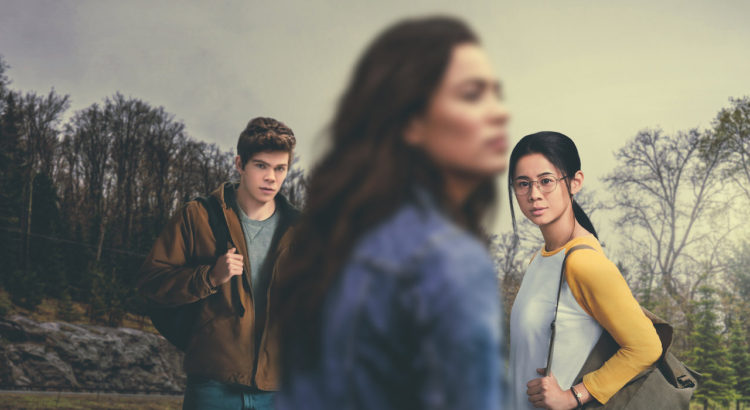
Like many other queer young adults, I was exalted upon learning of last spring’s Netflix film, The Half of It. The titular phrase, “the half of it” is derived from the Platonic myth of soulmates that proposes that each person is half of a whole soul, and the two halves search through life for their counterpart. Director Alice Wu (known for Saving Face) presents a refreshing take on the teen rom-com–this time, with a queer Asian female lead. Perhaps this is old news to some, but I couldn’t resist writing about this film. It’s the type of movie with substantial representation I wish existed when I was a teen.

The plot follows Ellie Chu, a bookish teen living with her widowed father in a small town in Washington. Ellie, a gifted writer who takes on her peer’s coursework for payment, starts writing romantic letters to a girl named Aster, posing as the goofy jock Paul. As Ellie and Paul’s friendship blossoms, so does Ellie’s romantic feelings for Aster.the loyal and playful Paul develops a strong bond with Ellie, an unexpected but delightful pairing who support each other in an honest way. Meanwhile, Ellie’s snail mail and text correspondences with Aster show Ellie’s witty, romantic nature–drawing upon book and film references and deep thoughts. I won’t spoil the ending in case you haven’t watched it yet, but I will say that the writing, although rushed at the end, isn’t demeaning or tokenizing, but portrays its characters in a realistic and nuanced way.

I admire this film not only for its complex writing and characters, but for its representation as well. As a queer woman of color, I was so excited to see representation that I could somewhat relate to. Viewers see scenes of Ellie and her immigrant father enjoying dinner together and watching classic movies, a part of the story that is surprisingly touching. Furthermore, Wu handles themes of race, sexuality, and religion in a thoughtful but not overbearing way.

The Half of It’s cinematography is beautiful as well, with tranquil shots of small-town life and semi-nostalgic high school drama. It’s warm and feel-good. Overall, it’s a brief but pleasant look at young adulthood, full of awkwardness and tension but also true friendship. Wu argues that romantic love isn’t everything in life, but perhaps only the half of it.

The Magician’s Diaries: The Sprite Matriarch

Hello my children,

This week I will be expounding upon my experience with the fey, the dastardly little devil’s they are. As stated before, fey creatures are tied closely to their local environments. Wherever you may find them, you are to notice minor or major differences in anatomy and hierarchical structure. You’ll come to know fey of all different shapes and sizes, yet their common purpose is predicated upon an ability to disrupt and subvert the expectations of mortal man, 

This brings me to the trickery of the common pond sprite, a cousin of the common garden fairy. To my surprise, the comprehension of base level magical phenomenon is severely lacking with many of my newfound pupils. Fear not, for I am a generous teacher that wishes the best for all who listen to the cautionary tales I spin. It just causes an old croon like myself a great deal of worry that the study of our world is relegated more and more to the classroom when it was just a few centuries ago where I had been thrust into the field with little to know understanding of how or what I was doing. Ground work is precisely what is needed to forge lasting relationships where one thinks there are none to be had, and it really distinguishes the lowly street magician from the primed, educated sorcerer that I hope all of you aspire to be. At the very least, since you are attending office hours it must mean that you are more passionate than the common trust-fund student too feeble to work as a squire.

Nonetheless, we have pond sprites to talk about. To put it simply, sprites are defined by their connection to bodies of water as fairies are to the land. Like their cousins, sprites are of a proportionally humanoid build and about 1 foot tall. Their features closely resemble that of modern elven blood with their pointed noses, almond eyes, and long ears– though I would hope no one is insensitive enough to equate those of modern elven blood with pixies or fairies, as has been done in past academic study.

Whereas faries find power through a communal bond and their ability to coordinate like a swarm of tactical wasps, sprites are bound by their relation to a single brood Matriarch– a river or pond spirit who is referred to as their “mother”. I’m unsure as to how a being of The Matriarch’s size is capable of producing such small offspring, but I am not here to judge the familial structure of beings from another plane of existence (that is a job for astral pirates, which we will cover in Extra-Planar Entities 237).

The Matriarch’s first priority is the safety of her children, however, she seems to relish visitors even if they may be unwelcome. Some of my associates have learned the hard way the customs and norms of meeting The Matriarch. Sprites will dance around the perimeter of swamps and rivers hoping to discover wayward adventures whom they will lure to the heart of their den. Though The Matriarch presents herself as calming and matronly, fey are deceptive and often will engage you in games of wit and death if they are of such a mood. Luckily, when I had first been introduced to my local colony, I had prepared a crystal of great magical potency that was taken in exchange for a most wonderful conversation. The fey are creatures of extremes, granting boons or curses to the travelers they may meet, so hope that your first impressions may leave you with the lasting impression of a friend made

However, it has seemed as if my ramblings have gotten the better of me once again, and this story must continue another time. I hope you have found this short analysis to continue to be useful on your journeys. Listen well, and know that the best experience is waiting for you out there just a hop, skip, and a planar jump away.


Until next time,


-The Magician