Besides midterms, this past week has been full of discussing spring break plans. I’m planning on spending half of my time in Michigan and the other half visiting my sister in Cleveland (I know, Ohio, gross). Anyways, while it might not be Europe (*ahem* to the girl who sits next to me in Sociology), Michigan is full of awesome things to do. As such, this post reflects on my adventures in Michigan during winter break, since the beloved mitten state has decided that winter needed a comeback.
Right before second semester started, I soaked up the last few days of freedom by taking a trip to Grand Rapids. Grand Rapids wasn’t any warmer or less snowy than my hometown, but a different setting was certainly nice. There, I enthusiastically attempted to ice skate, ate a colossal loaf of french toast at Anna’s House, and visited the expansive Frederik Meijer Gardens (which I definitely recommend). One last adventure was a trip to the Grand Rapids Art Museum, or the GRAM.
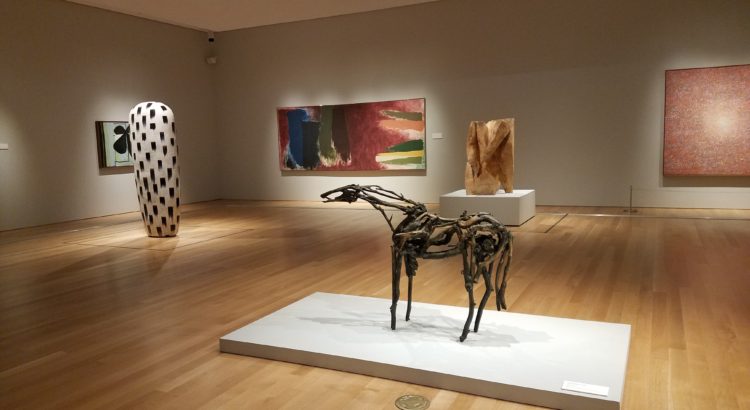
Now, maybe I’m just a huge nerd, but I LOVE visiting museums. In downtown Grand Rapids, the GRAM is a beautiful building right by Rosa Parks Circle. According to the website, it is “internationally known for its distinguished design.” Inside the building, the works of art were equally impressive during my visit. Art on display ranged from Renaissance to modern art; I also really enjoyed the contemporary art on display, though the impressionist paintings were also nice. I’d say the way the museum was set up overall was tastefully done.

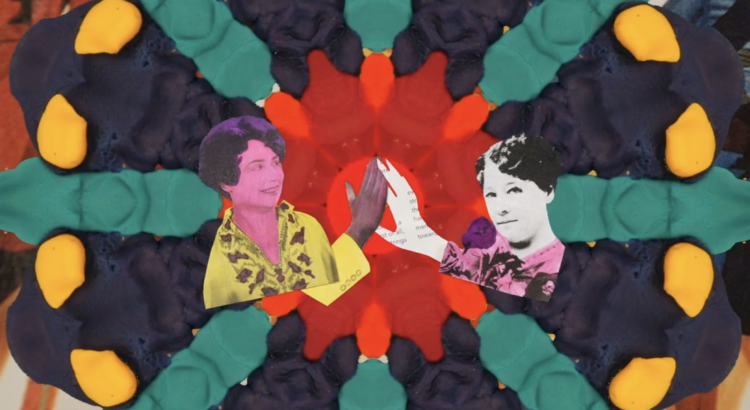
I may not not always understand art, but I appreciate its creation and the opportunity to see it. With over 5,000 works of art in its collection, the museum allowed me to do just that. In addition to permanent pieces, it also featured temporary exhibitions such as Billy Mayer: The Shape of Things and Worth a Thousand Words: Storytelling with GRAM’s Collection. Worth a Thousand Words consisted of permanent works in GRAM’s collection which were organized to create an imaginative, emotion-evoking display. As a creative writer, I enjoyed the hands-on activities the museum had for guests, in which they could start from scratch or use provided prompts to craft their own narratives regarding the art on display. Billy Mayer: The Shape of Things, on the other hand, featured large and small-scale sculptures by Michigan’s late Billy Mayer. Besides the collection of 440 skulls, my favorite piece in this exhibition was a 1987 piece entitled “Writer’s Block,” which, like the name, captures a mundane element of everyday life that can be monumental to those it impacts. The personal connection I had with the piece of course inspired a picture.
Another exhibition was David Wiesner & The Art of Wordless Storytelling. The exhibition featured 70 original watercolors from some of Wiesner’s most famous books. His books, like Tuesday and Mr. Wuffles, communicate stories through rich imagery rather than text. It was very cool to see his original paintings and sketchbooks, which allowed me to gain a deeper appreciation for the meticulous process required for creating works like his.
Overall, I had a wonderful time at the GRAM and hope to return to it one day. If you plan to make a trip to Grand Rapids and its art museum anytime soon, be sure to note “Meijer Free Days.” On Tuesdays, there is free general admission from 10 am – 5 pm, and on Thursdays, there is free general admission from 5 pm – 9 pm.
For more information about the Grand Rapids Art Museum, please click this link.




 The movie that made me first question my relationship with animated movies was Coraline. It’s a stop motion animated horror movie released in 2009 that is way too scary for children, contrary to the intended audience of the film. It has somewhat of an infamous reputation for scaring children to death and being overly creepy and disturbing, which is what originally piqued my interest. While I was watching it, I was stunned by how imaginative and off putting it was; it seriously brought some of my nightmares and fears to life. I don’t want to get into the weeds about the plot, so I’ll just say that the feeling of “not everything is what it seems” is so strong and heavily conveyed through every aspect of the movie that it’s almost scary in itself. The art style perfectly complements the disturbing atmosphere of Coraline’s world, and the story is a great blend of subtle messages and morals. Overall, it really opened my eyes to the imaginative possibilities of animation, outside of traditional princes and princesses that are so common in the genre, while also displaying the morals that define a lot of animated movies aimed at children.