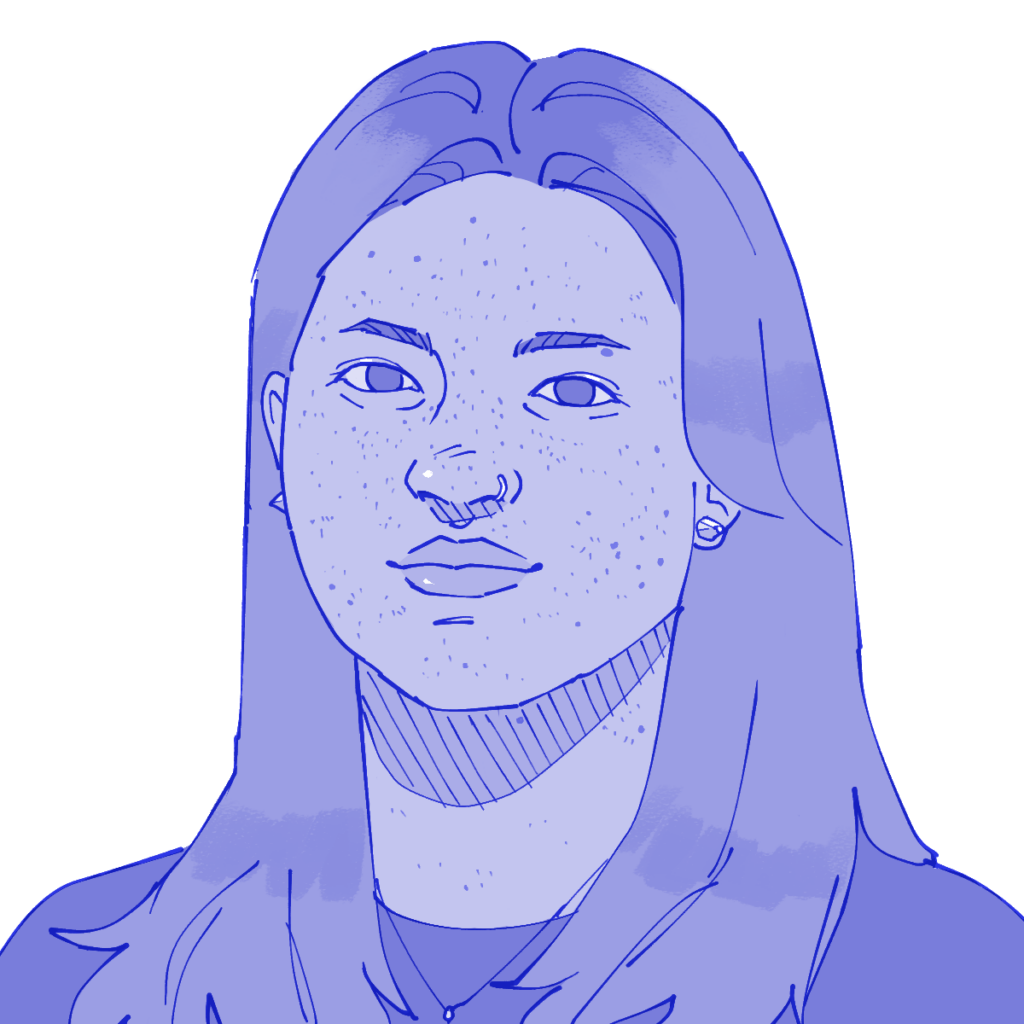
Mixed on Campus #16 – Alice Conner

Name: Alice Conner
Mix: Japanese & White-American
Major & Year: Industrial Engineering; Junior

Q: How has being mixed affected your campus experience?

A: My racial identity and the racial/ethnic identities of other mixed people are often scrutinized by others. People choose to accept or not accept my racial identity based on when it is convenient for them. Constant scrutiny on my appearance and the validity of my experiences is alienating, exhausting, and psychologically distressing. How you look is not a choice. Before joining the student organization Mixed@Michigan, I did not have the vocabulary to defend myself and other mixed people. People did not listen to me until I educated myself, even if all I learned were the “proper” words to explain what I already knew was true. Mixed people should be heard even without statistics and well-spoken words.

Q: What do you wish more people knew about the mixed experience?

A: I believe a lot of the prejudice towards mixed people is a result of ignorance, which is why it’s so important for mixed people to be able to speak about their own struggles and experiences. I want people to understand that the mixed experience is a real lived experience and not just an interesting debate topic. I’m tired of hearing arguments on whether or not a mixed person is allowed to identify with or represent a specific racial identity based on the percentages of their racial makeup and opinions on what the person looks like. How a mixed person is perceived by others will depend on the mixed person, the person perceiving them, AND on the context of the situation. In the end, monoracial people do not have authority on how a mixed person chooses to identify.

+1: Mixed people are not buffers between different racial categories. People should not be measured and judged based on their perceived proximity to whiteness. Oppression is often discussed in binary terms (a person either experiences it or they don’t), but reality is not so easily categorized. Mixed people are used to this idea– they are good at tolerating contradiction and ambiguity.

Q: What is your proudest moment?

A: I’m very proud of this project. What I wanted to do with Mixed on Campus was provide other mixed people with the opportunity to speak up about things they might not have been able to before. I’m very grateful for all the responses I’ve received and the opportunity to use my platform to provide a voice to the mixed community at this university. Mixed@Michigan is a club in which we are bonded not through a specific racial or ethnic identity but because we have all experienced what it means to not fit into the monoracial paradigm of racial purity that society expects. We are able to support each other and provide a safe space free of judgement and questioning. There is so much diversity in experiences within the mixed identity and I wanted to be able to show that by providing other mixed people with the chance to tell their story.

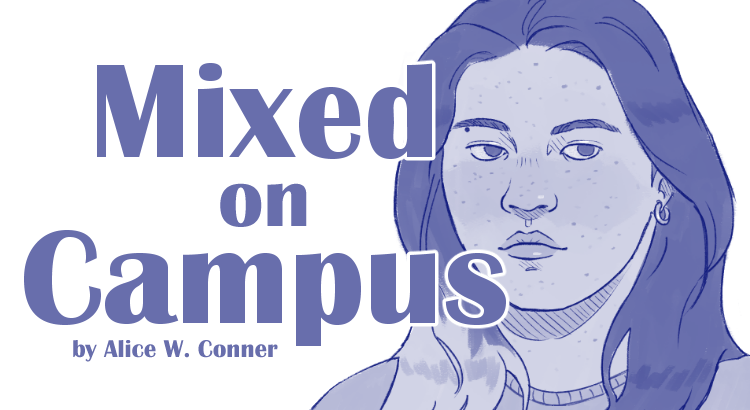
Mixed on Campus was inspired by the Humans of New York project. The purpose of Mixed on Campus is to give a voice to this university’s mixed community and shed light on its members. Being mixed means to be multiracial, multiethnic, and/or a transnational adoptee. Through Mixed on Campus, mixed students have the opportunity to have their portrait drawn and share their experiences!
The Indian Artist, Final Year: The Four Canonical Painting Modes

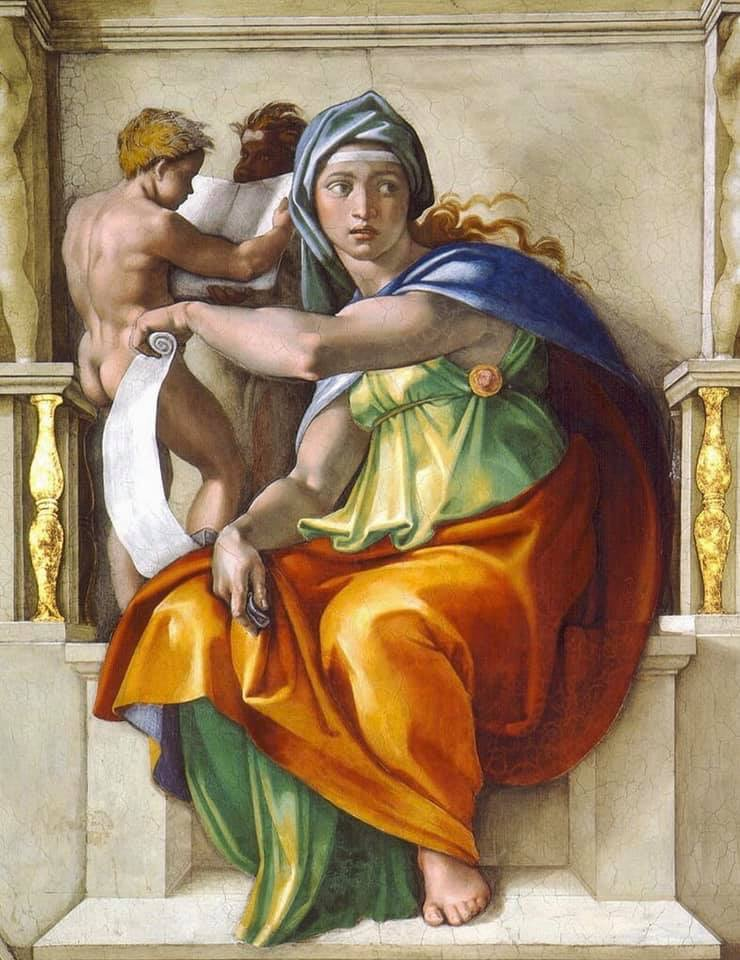
Good Morning! I hope that you are all doing well! To wrap up the semester I wanted to do an informative post on some techniques that I true love that were expanded and developed from the Age of the Renaissance. There are four significantly different modes of techniques in the Renaissance paintings that were widely spread by many great masters. They were applied superbly to create brilliant and spectacular art treasures.

1) Cangiante

In the early Renaissance, the primary modes of painting were based on Fresque and Tempéra. At that time there were only a few kinds of pigments used, as skill and materials were limited. Therefore, artists adopted relatively simple methods to express color and value, such as the intrinsic color of the object mixed with black in order to represent shading. That’s the reason Cangiante emerged. The main purpose of this technique is to replace the highlights and shades by using analogous colors as long as the value and hue do not show too big a difference when compared to the actual color. We can see in Giotto’s works that he used this practice occasionally.

2) Chiaroscuro

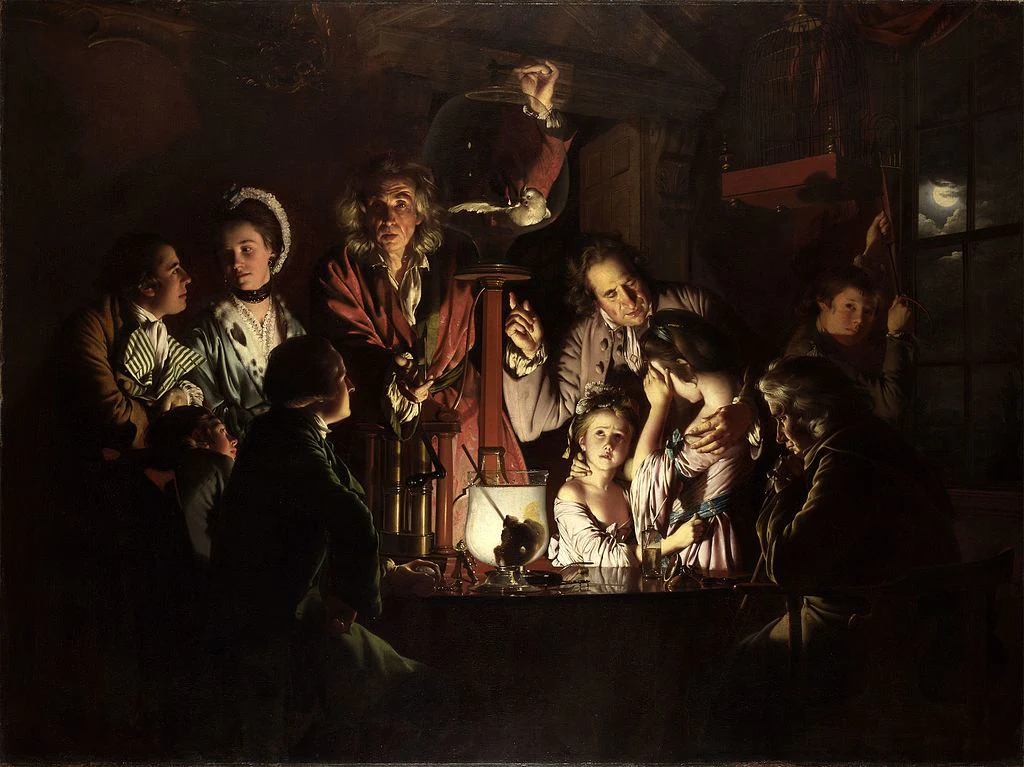
Now this one is my personal favorite! Chiaroscuro uses light and shade to express three-dimensional forms and space. In the early Baroque period Caravaggio composed his paintings with strong lighting on the main subject. He used a dark background and emphasized the contrast of light and shade in order to achieve a dramatic effect that was similar to stage lighting. This technique is used to compose images effectively by using light and shadow to create the effect of three-dimensional space and the beauty of a sculptural figure on a flat plane. If, for example, we were to depict a man standing outdoors, we would realize from observation that the natural light comes from all directions. This is not the same as painting the effects of light and shade as if lit by a shaft of light from a single source. Think about a candle lit in a pitch black room. The purpose of this arrangement is that it is convenient way for artists to show three- dimensional forms but the result is totally different from reality.

I have subtly begun to apply Chiaroscuro to my paintings and plan to create a more exaggerated piece very soon!

3) Sfumato

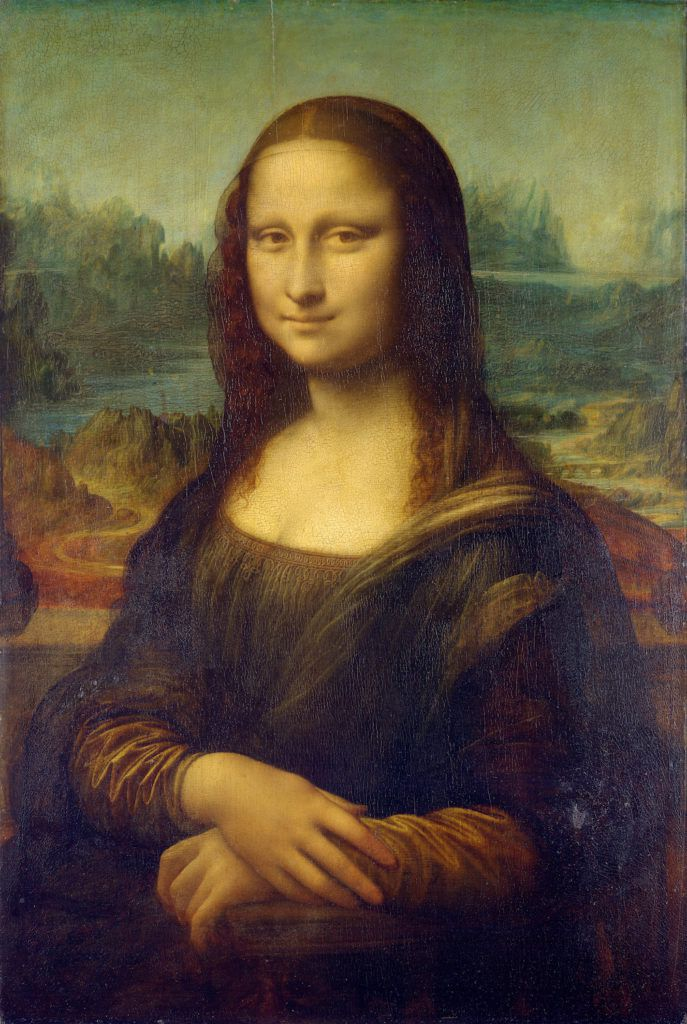
The most significant part about Sfumato is that painters use very fine transparent pigments and a glazing medium which has the ability to flow smoothly and spread easily. The basis of this method is the careful superimposition of glazes applied layer by layer. The color of each layer is so subtle, light and thin that it is hardly to be observed. Also, every coating layer had to be completely dry before applying the next one with a different transparent color. As it is applied, changes are made, and the glazing is adjusted according to differences in the object’s structure and the changing of light and shadow. With the process of applying up to ten of layers of glaze the colors are slowly enhanced to a rich tone and the edges are blurred. After much painstaking work, finally it had led to a mysterious and soft visual effect. Because of the manipulation of successive glazing, what people actually see is not the result of oil paints mixed on the palette, but a natural combination of whole colors under the optical effect of light going through layers of delicate and magnanimous glazing. This is famously applied and implemented by Leonardo Da Vinci.

4) Unione

Unione has many similar attributes to Sfumato. It is one of the most famous techniques of the Renaissance. It is regarded as a prominent technique rather than a perspective technique. It plays an

integral role in enhancing the work of art. This method relies on the smooth transformation of colors without any hint of hard lines. However, it differs from Sfumato due to the intensity of the colors being used.

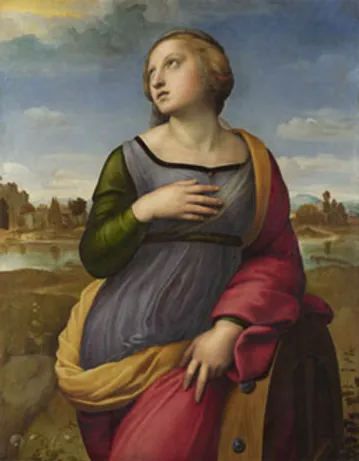
Where Sfumato relies on smoothing colors by dark or ling pigment which reduces the intense colors in paintings, Unione is focused on the intensity. It tries to improve the eye-soothing parts o the images to make the picture even more vibrant, colorful and lovely. By following this method, the works are able to represent the value of the color, while at the same time they form the shapes with delicate transitions from light to shade. The outcome is colorful and dazzling. Raphael was responsible for revolutionizing this technique.

All of these techniques were revolutionary for their time and have helped set the stage for post-Renaissance and modern artists. Without knowing it, all artists implement one of the above techniques in some way. All modern teachings are expanded from these first four canonical modes of painting. Maybe I’ll try and implement all four in a painting one day!

Sources:

https://artium.co/en/node/126#:~:text=There%20are%20four%20significantly%20different,been%20widely%20spread%20by%20posterity.

https://artpaintingartist.org/the-four-canonical-painting-modes-of-the-renaissance/

As always, if any questions or thoughts arise, please comment or reach out to me! Thank you for reading!

Until next week,

Riya

Instagram@riya_agg.art

Portfolio: https://theindianartist.weebly.com/ 

Frame by Frame: Water & Light

One interesting part about animating my second scene is deciding how I want light and water to interact together. Particularly for this last motion that I’m working on, the water is meant to slide off the characters hand while the light is still embedded underneath their skin. Since this isn’t something we would see in real life, I have the creative liberty to decide what I want this interaction between the two elements to look like. I’ve decided to treat the light like a semi-physical entity, so it melts a bit into the water, but can’t actually be washed away. As I’m working through these scenes, I also feel like my line work and coloring skills are improving, especially with how I’m coloring light/shadow. Here’s my progress from this week!

LOG_025_MARSH_STRIDER

KHEPRI-1B

CATEGORY [ XENOBIOLOGY ]

ARTICLE ARVHIVED FROM [ MARIAH BERGGREN ]

ARTICLE NOTES:

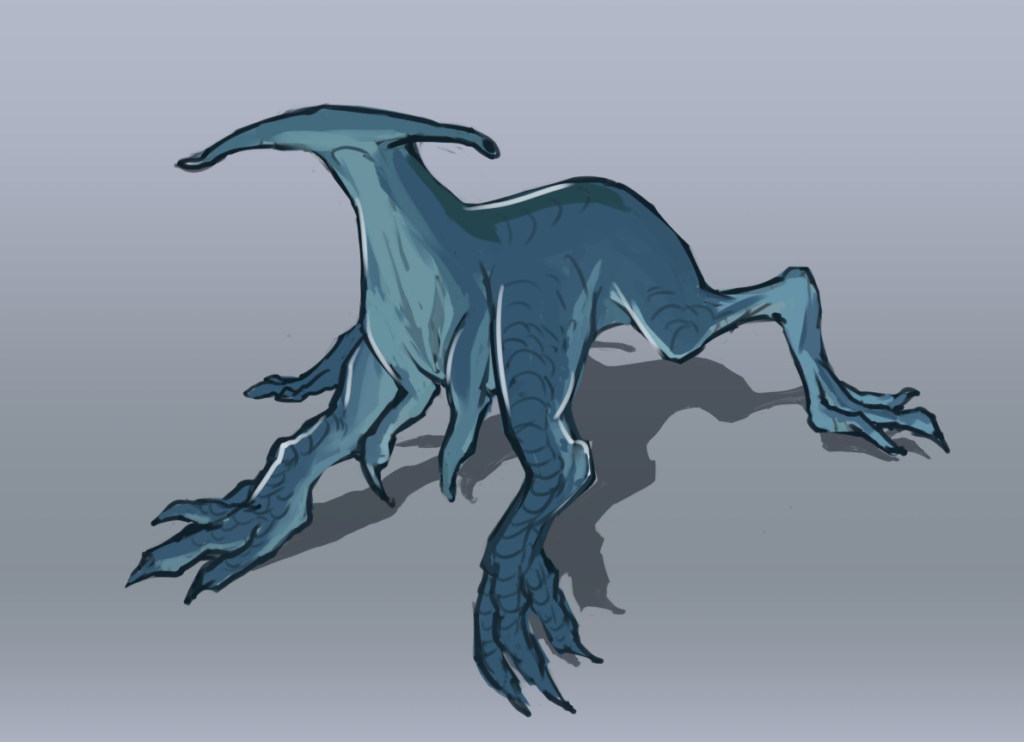
[ The marsh hammerhead strider, despite its intimidating appearance and relatively large stature, is an even-tempered herbivorous species of hammerhead striders. They are often found traveling in small groups among the swamps and wetlands in the planetary terminator of Khepri-1b. ]