
REVIEW: The Results of My Poor Judgement

Olivia O’Brien is no stranger to heartbreak pop – just one look at her flourishing discography reveals the 20 year old’s familiarity with penning infectiously catchy songs marked by the relatable angst that all young romance is home to. Those unfamiliar with O’Brien’s recent work will likely recognize these doleful vocals from her breakthrough collaboration with gnash in 2016, “i hate u, i love u”. With The Results of My Poor Judgement, O’Brien retains that earnest emotionality, yet with greater verve and a more mature outlook on love and heartbreak. According to O’Brien, this “micromixtape” is a set of three sonically consistent songs that should elicit the same emotion, which she commits to in “Was It All In My Head?”, “Josslyn”, and “Sad Together”. The Results of My Poor Judgement, released this year on February 7, follows her 2019 micromixtape It Was a Sad Fucking Summer in an inferred narrative sequence – while It Was a Sad Fucking Summer channels the sweet and sour sentiment of reflecting on a failed relationship, The Results of My Poor Judgement conveys a deeper understanding of post-heartbreak injury. Though O’Brien herself indicates that the contents of her micromixtapes are not experientially bound, as songs can be revived from old sound experiments that don’t fit into a full-length album, I interpret The Results of My Poor Judgement as the flurry of realizations one experiences near the ‘acceptance’ stage of a breakup.

The micromixtape opens with reflection and self-doubt; “Was It All In My Head?” is part straightforward pop, part mixed-feelings. O’Brien berates herself repeatedly throughout the song, “I must be crazy, insane/Get way too carried away/…Been romanticizing/About all these boys who ain’t never gon’ like me” while simultaneously questioning whether the relationship and her partner’s romantic sentiment were as authentic as she had perceived them to be. On the receiving end of mixed signals and desperate for a rational explanation, O’Brien concludes that yes, even in a reluctance “to move on”, the essence of the relationship was a complete mental fabrication.

“Josslyn” is undoubtedly the highlight of the micromixtape – the song is a satisfyingly pounding barrage of “screw-you” sentiment, aimed to evoke guilt in amateur and serial cheaters alike. Galvanized over the fury of being cheated on, O’Brien flippantly asserts “But know we’re off and we’ll never be on again/I hope that it was worth it fucking Josslyn/Don’t wanna fight I just never wanna talk again/I hope that it was worth it fucking Josslyn”. Though fans question the origin of the title and partake in virtually tearing the anonymous ‘Josslyn’ apart, O’Brien expresses clear disapproval over this socially-ingrained practice of shaming the “other-woman” and not the disloyal partner themselves. In an interview with Zach Sang, O’Brien asserts that the anger in “Josslyn” is intended for the cheater and the cheater only – resentment towards the “other woman” is wrongfully displaced and perpetuates placing unhealthy trust in those who have failed you.

Whether you’re in the midst of a messy breakup or ambivalent to relationship drama in general, I would recommend giving The Results of My Poor Judgement a deep listen.

REVIEW: Childish Gambino Album: 3.15.20

The newest album by an artist who is ever-changing his style was released earlier this month. And it was certainly out there, even for Childish Gambino.

First, the album cover is absolutely blank. Just a white square. This is different for him, as most of Gambino’s album covers are rich, dark colors with some sort of tribal or naturalistic art on them. This album title is also unlike his others, with only a date written. That is just the album at first glance, without even listening.

Moving on to the songs, they are all marked by their time stamp in the album, much like a symphony might mark itself by its movements. I think this was a bold statement to make, as many of the songs do not quite flow into each other as one might expect in a symphonic piece. Two songs are marked by words: “Algorhythm”, and “Time”, the second and third songs, respectively. These did not stand out to me as being particularly different than the other pieces, so I am unsure of the meaning of that. Other than those two, the pieces are each titled by their song-ending time slot, through the whole album which ends with “53.49”.

I cannot say I really disliked almost any of the songs, but the biggest turn-off for me was when the songs transitioned into their endings, which were jarring and not always musical. I kept getting into the groove of each piece and then as the piece ended deciding I did not like it as the final 30 seconds or so were at odds with the rest of the song. Most of the songs did not contain full verses or  choruses, or many words at all, for that matter.  Most of the words included were just small phrases repeated in different chords. However, the songs were all very musical, unique and interesting, which is something that Childish Gambino excels at. While I did have some difficulty finding meaning in all of the songs, I certainly could enjoy the vibe of each one and its overall mood.

One thing I did particularly like about this album is its overall mood. I could see myself listening to this in several situations. It is definitely chill enough for just hanging out and talking over the album, in a group situation. But the songs were definitely interesting enough to keep my attention enough that I could see myself listening to it by myself in the car as well.

My favorites on the album had to be 19.10, 42.26, and 47.48. Time and 12.38 are the songs that have been the most popular overall in the album and are currently his number 4 and 5 songs on Spotify. If you are a fan of Childish Gambino, I would definitely give this album a listen. It has some of his classic aggressive rapping, along with some more relaxed tunes, and it is all certainly as engaging as his music always is, surprising me with each song.

REVIEW: Dark Waters

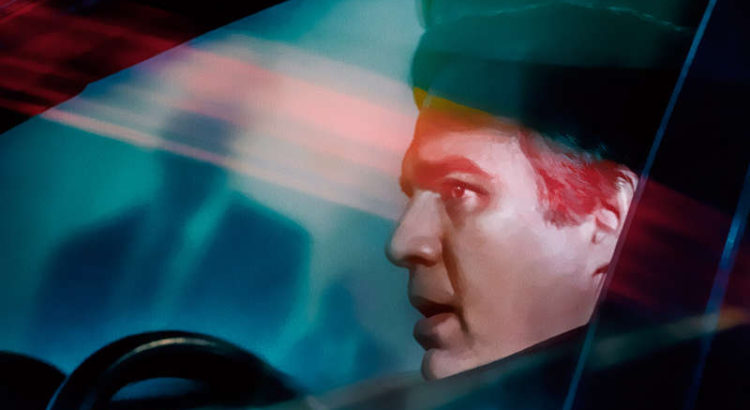
If you decide to watch this movie, settle in for a long film and make sure you know your lawyer jargon before watching! Maybe grab some popcorn as well.

The film is based on a New York Times article about a top lawyer for chemical companies who ends up working against his own clients. When he is faced with an ethical dilemma about people and animals being harmed by a mystery chemical in their town’s water supply and rivers, he must make the decision to help the common people and possibly ruin his own career, or to keep on the trodden path and look the other way. This movie hit particularly hard, I think, because of what is still ongoing in Flint, Michigan and their struggles with the contaminated water there.

To begin, this movie certainly has a lot of famous actors, some of whom I had to look up where I knew them from because they were just tip-of-the-tongue familiar. Anne Hathaway played a significant role, as the wife of the main character. She didn’t have a ton of screen time, but when  there were scenes where she was a focus, she certainly shined. She played her very emotional role well, and was also a major badass, as we have seen her do before in previous movies. Mark Ruffalo also conveyed his emotional turmoil and increasing stress well, as the movie followed his character into an unending court case that is still going on today. I was also excited to see some smaller roles with actors I really like, including Bill Pullman, William Jackson Harper and Victor Garber.

One thing I thought was difficult to follow was a lot of the lawyer jargon and information that I did not know, not being someone who works in law or business. My parents (who both work in business) definitely had to answer some of my questions about what was going on. I don’t think that it pulled away too much from my understanding of the film overall, but it was certainly helpful to know a lot of the more professional terms and subject matter that were going on during the movie. I think that they brushed over a lot of these important topics, assuming that people watching the movie would know, when in fact this makes the film less accessible to a wider audience who may want to watch it and be able to follow along with all of the plot points.

At the end of the movie, before the credits, the film included information about the real case that is still being fought, and about the real people involved. Some of them even had cameos in the movie, which was really cool to see. It also made the case all the more real, and made me continue to think about a few of the more standout themes that were outlined in the movie. The fact that major companies are really not working for us, but for their own gain, and will do anything to keep their cash flowing is quite scary, and this movie certainly brought that to light in a very stark and obvious way. It also made me think about what harmful chemicals could be still allowed into our food and everyday household items, that we could be ingesting every day. This movie was certainly thought provoking, and I would recommend it to anyone who is a fan of social advocacy and fighting for the people.

REVIEW: Detroit Symphony Mahler 5 Facebook Stream

On March 22, the Detroit Symphony Orchestra held a Facebook Live event, hosted by their Principal Timpanist and University of Michigan LEO instructor (my professor), Jeremy Epp. Epp began the session by giving an inspirational message about the current predicament American society finds itself in and by stating how much the DSO wishes they could play live for us, but these Facebook live events will have to do instead. He then went on to give special recognition to Principal Horn Karl Pituch and Principal Trumpet Hunter Eberly for their magnificent solos in the Mahler that was about to be broadcast. He also added that the orchestra was being conducted by Rafael Payare, a young conductor making his debut with the symphony. With that we were on our way. To be clear, this performance was a recording of one of their concerts from last spring. I was fortunate enough to see that concert live and enjoyed it so much that I wanted to see it again on Facebook. Jeremy was certainly correct that Mr. Eberly’s solo in the beginning was quite spectacular. The piece begins with a solo trumpet playing a theme that quite literally sets the tone for the whole piece as it is repeated by many instruments later on. After the initial trumpet, the power of the orchestra was felt soundly as everyone else joined in for the first tutti section about 30 seconds in. The brass really stole the show for the first movement as Mahler wrote them gorgeous and powerful melodies. In contrast to the heft of the brass, were some lovely soft moments from some unsuspecting characters. Notably, the timpanist has a gorgeous solo about halfway through the movement that is very soft and echoes the trumpet solo that starts the piece. Mr. Epp executed it to perfection, of course. After the first movement died down the same way it began, with a trumpet solo, the orchestra geared up for a wild ride with the second movement. While the first movement was very in control and militaristic, the second movement was wild and almost unhinged, but in a good way. While the music was happening, Facebook holds a comment section next to the video, allowing people to give opinions on the performance. Because Jeremy was moderating, he would chime in now and then with interesting, albeit in depth and nerdy, facts about the piece, especially regarding the timpani part. In addition, many members of the DSO were in the chat hyping up their colleagues before big solos which was great to see. The sense of family that this orchestra has is truly something special. The third movement featured Principal Horn Karl Pituch who did a phenomenal job with the solo part. Many orchestras, including the University of Michigan’s USO, ask the principal horn to come to the front of the stage for this movement because their part is almost akin to a soloist in a concerto. The fourth movement is the part that gets played on its own the most because of how beautiful it is. It almost rivals Barber’s Adagio for Strings in its beauty. While the brass dominated the beginning of the piece, the strings dominated this movement. The played everything with such passion and sorrow that one couldn’t help but be moved while listening to it. The fifth movement is one of the most exciting finales of any piece, in my opinion. It truly embodies what it means to build up a movement or piece as the ending is absolutely enormous in comparison to its somewhat sparse beginning. Mr. Epp was featured again here, earning multiple action shots of him at work as he navigated this challenging movement. In my opinion, the last 3 or 4 minutes of this piece are some of the best to ever be written and make this my favorite Mahler symphony. Overall, I really enjoyed watching the DSO live version of this piece because they streamed a really high quality video and it was really cool to see everybody interacting in the chat. Their performance of Mahler’s 5th Symphony can be found here: https://www.youtube.com/watch?v=9ztalwhqBUw. Subsequent streams will keep occurring through the Facebook Live platform and I encourage everyone to check those out. In addition, the DSO is offering free access to their digital library for a short period of time in light of the coronavirus pandemic. I encourage everybody to seize the opportunity to see this great orchestra in action and attend their concerts once everything is back to normal as they are a vital part of the Michigan arts community.

REVIEW: Richard Jewell

Richard Jewell is a movie based on a true story of the security guard who found the bomb that was planted  in Centennial Park at the 1996 Atlanta Olympic Games. While the movie endured some criticism regarding its portrayal of reporter Kathy Scruggs (Olivia Wilde), I found it to be an entertaining and enjoyable picture overall. The film starts by providing the audience with some background into the mindset of the movie’s namesake and main character, Richard Jewell (Peter Walter Hauser). Richard’s dream is to join law enforcement in some capacity, but he is unable to just dive into a job as a police officer immediately. The movie takes great care to establish his relationship with Watson Bryant (Sam Rockwell) early on as well, showing that Richard worked in his office at one point and was such a good employee that he went so far as to stock his drawers with Snickers bars. They then show that Richard left his job at Bryant’s office for security work at a university. While working at this university he “overachieved” in a way and ends up getting fired for overstepping the limits of his power. All of this background is included to set up Richard’s character as someone who dreams of being in law enforcement so much that he actually tries too hard to get there. When the 1996 Olympics come to Atlanta, Richard seizes the opportunity to be hired as a security guard. After a run in with some drunk teens, Richard notices a backpack is left under his security bench. He is the only one who considers it suspicious and insists that they call the “bomb guy” to check it out. Unfortunately for everyone at the concert, Richard’s suspicion proved correct; there was a bomb in the backpack. Thankfully, because he was able to alert the other security personnel, they were able to clear the immediately surrounding area and limit the damage to slightly over 100 injuries and 12 or 13 deaths I believe. Unfortunately for Richard, the FBI is not sold on the legitimacy of his heroics and start investigating him as the bomber. The controversy surrounding the movie comes from its depiction of how the story that the FBI was investigating Jewell got out. The movie shows Kathy Scruggs seducing an FBI agent (Jon Hamm) into telling her who the focus of the investigation is. The newspaper she worked for refute the validity of this portrayal, arguing there is no evidence to suggest that this ever happened. Regardless, word of the investigation got out and Richard Jewell went from hero to public enemy number one very quickly. After realizing he might be a suspect, Richard calls “the only lawyer he knows”, Watson Bryant, to represent him. Mr. Bryant prevents Richard from accidentally incriminating himself as he is so eager to help the law enforcement officers whose ranks he aspires to join that he is willing to do just about anything they ask. Because of his eagerness to cooperate, the FBI take full advantage of him until he realizes what is going on. Finally, upon coming to his senses, the movie shows a heated exchange in an interrogation where Richard asks the officers if they have any evidence against him whatsoever and they are unable to answer. As a result, they have to drop the case, but Richard’s public persona is not out of the woods, even to this day. Some people still think he planted that bomb and treat him as a criminal instead of the hero he truly is. Overall, Richard Jewell is really well done and, regardless of whether or not it is 100% accurate, is an entertaining portrayal of a very interesting case in American history. It takes a traditional story of a person being wrongfully accused of a crime and adds the element of them helping their accusers, making for a really interesting twist.

REVIEW: Chilombo

Like the Big Island, Chilombo‘s recording location, and its steadily pulsating, molten rock phenomena, Jhené Aiko’s third album ebbs and flows with healing power while narrating the singer’s personal journey through grief and self-discovery. Musically, the album is a tranquil R&B production flooded with Aiko’s characteristic zen vocals and effortlessly savage lyricism. Though critics have described the work as excessively drawn out and maybe a little too zen, I have increasingly found Chilombo to be a calming and humanizing presence amidst such global chaos.

In addition to the Island’s volcanoes, which Aiko likens to the eruptive energy of “Triggered (freestyle)”, she cites the use of traditional Buddhist singing bowls throughout her album. Aiko has long dabbled in ‘sound-healing’ or ‘music-therapy’, a practice which we receive a full introduction to in the singer’s attempt to open up and realign the body’s different chakras. In addition to being highly soothing, Chilombo is also charged with sex and defiance – in “Pu$$y Fairy (OTW)”, Aiko riffs her way through declarations of her own sexuality, asserting “‘I got you sprung off in the spring time/Fuck all your free time/You don’t need no ‘me time'”. The track carries a hypnotic dance rhythm while detailing the give-and-take of pleasure in an intimate relationship, and is purposely set in the key of D, which corresponds to the chakra associated with sensuality and located in the pelvic area.

Other favorites of mine include “Born Tired”, “Lightning & Thunder (feat. John Legend)”, and the various interludes that serve as peaceful prefaces to the narrative-style songs that follow. In “Born Tired”, Aiko infuses acoustic instrumentals with somewhat of a musical pep talk, encouraging the listener to “Rest your weary heart/Dry your teary eyes/I know you are scarred/And torn apart inside/Darling so am I”. The message is uplifting yet grounding, a defining characteristic of Aiko’s music which I thoroughly appreciate. Instead of pushing forth a high-energy beat with unrealistically upbeat advice, Aiko aims for unfiltered empathy in “Born Tired”. This sense of self-acceptance and positivity is somewhat of a theme in Chilombo; rather than considering “Triggered (freestyle)”, and “None of Your Concern (feat. Big Sean)” as diss tracks towards her on-and-off partner Big Sean, the singer considers them more as meditative outlets for “talking shit out of frustration and passion”. “Lightning & Thunder (feat. John Legend)” sets itself apart from the rest of Chilombo with the blissfully unaware, head-over-heels sentiment conveyed by lyrics such as “What kind of spell do you have me under/What in the hell? Starting to wonder/I am not well, I’m going under”. Aiko and Legend’s voices merge to further the song’s dreamy, entranced mood, resulting in a track that perfectly encapsulates the lack of control over one’s own fuzzy headspace that inevitably arises in the process of falling in love.