REVIEW: ALTERNATE ENDINGS, RADICAL BEGINNINGS

“In the ’80s we were talking about gay people, but we were talking about White gay people.”

This line from the documentary short DiAna’s Hair Ego REMIX (dir. Cheryl Dunye and Ellen Spiro, 2017) encapsulates the mission of last Friday’s World AIDS Day event at the University of Michigan Museum of Art. UMMA was one of hundreds of museums nationwide presenting ALTERNATE ENDINGS, RADICAL BEGINNINGS, a program of seven video artworks curated by Visual AIDS, an arts nonprofit now entering its 30th year of supporting HIV+ artists.

Featured films ranged from traditional narrative and documentary shorts to experimental video artworks. The event centered Black experiences of HIV/AIDS and queer and trans life through its directors’ intimate projects.

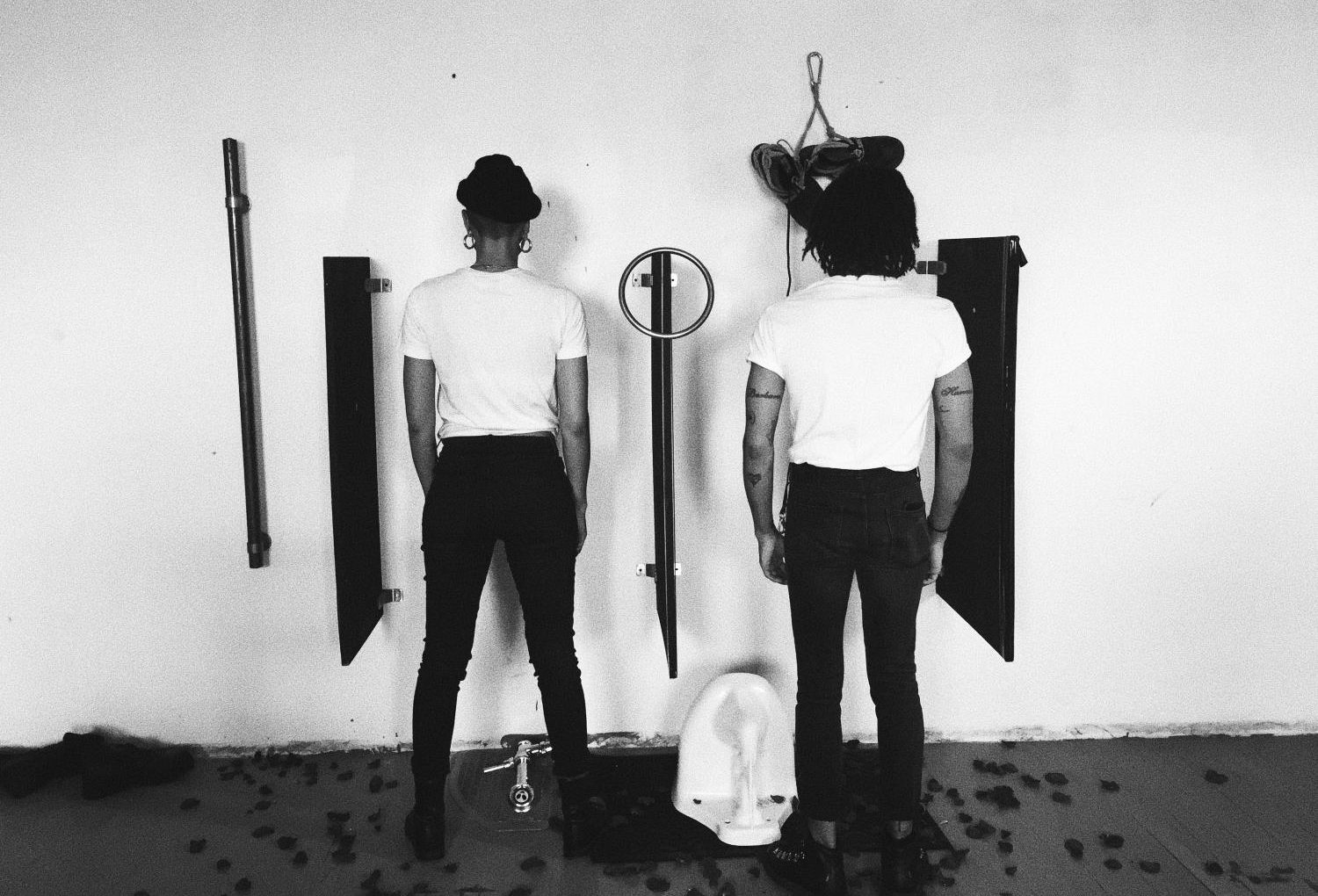
Two films from the event stood out in particular for their aesthetic distinctiveness. Atlantic is a Sea of Bones (dir. Reina Gossett, 2017) envelops its audience in swirling soapy water and colored lights as a drag queen reflects on her past from atop the Whitney Museum balcony. The short ruminates on Black queerness and its history (particularly in New York City), much like The Labyrinth 1.0 (dir. Tiona Nekkia McClodden, 2017), which uses assorted 16mm same-sex pornographic footage shot in bathrooms during the ’70s.

Featured together, these seven films screened at UMMA help reimagine what it means to be Black and living with HIV/AIDS today.

PREVIEW: The Square

A satirical look at contemporary art world personalities through the chaos surrounding an esteemed Swedish museum’s most recent installation. Winner of the Palme d’Or at the 2017 Cannes Film Festival.


Directed by Ruben Östlund. Starring Claes Bang, Elisabeth Moss, Dominic West, and Terry Notary.

Opens December 8th at the State Theater (233 S. State St). Tickets $8 with student ID.

142 mins. R.

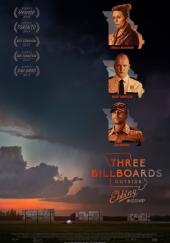
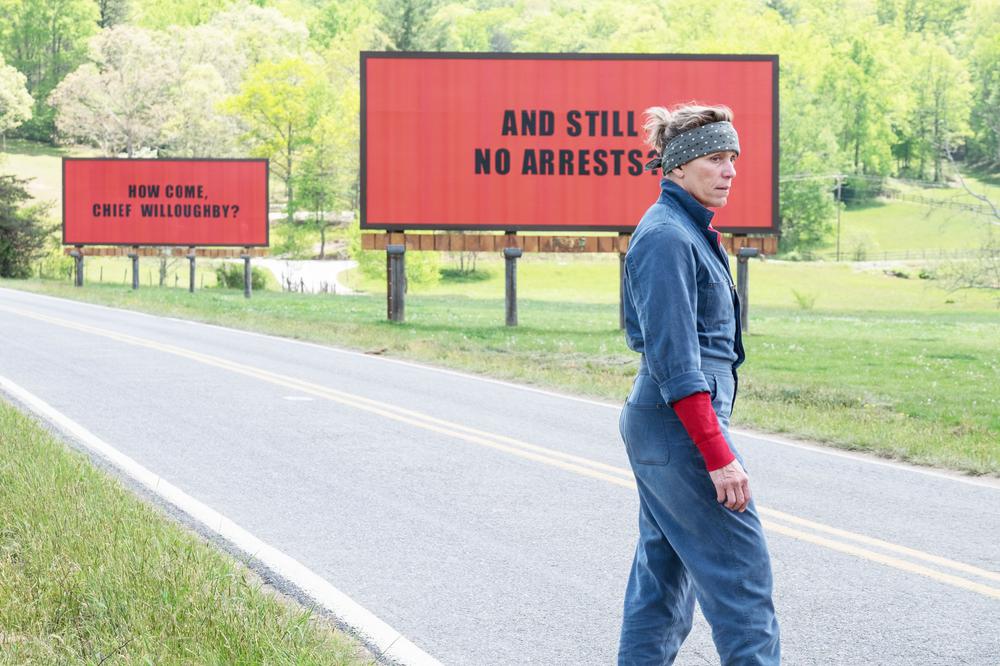
REVIEW: Three Billboards Outside Ebbing, Missouri

I was not sure what to expect, going in to see this movie. The trailer didn’t give me much to go off of, and the brief summary provided little information as well. I just knew it was a black comedy drama as I sat in the Michigan Theater, waiting for the organist to stop playing and for the movie to start.

Three Billboards Outside Ebbing, Missouri greatly exceeded all my expectations.

It’s been a while since I’ve seen a movie that literally made me tear up and gasp and cringe, my hand covering my mouth as I watched tragedy and horror unfold that numbed my heart and chilled my spine.

This was that movie.

It brought the crime and the drama and the intensity and the violence that made your heart pound one second and stop the next.

It tackled issues of racism, divorce, rape, murder, suicide face on. It didn’t shy away from controversial scenes, and forcing it in your face so casually and blatantly is what makes this movie so powerful.

The best part of Three Billboards was definitely the characters, people so tough-skinned and resilient and raw and tender and so human. That’s the thing with Mildred Hayes and Chief Willoughby and Officer Dixon. They are so flawlessly full of flaws that it makes them painfully real. As the characters persevere through that pain trapped in their minds and exacerbated by the community, they maintain a truthfulness that allows them to forgive but not forget, a moral authenticity that rips them open viciously only to piece them back together, fragilely yet stronger than ever.

This movie shows humanity at its worst and at its most pure; it shows all sides of humanity, and it reminds you of the humanity in people, through the facades they put up.

It was brutally nasty and brutally honest. It was heartwarming and heart-wrenching. It was emotionally intense and intensely emotional.

Yet there was laughter throughout the movie, a humor so dark it brought light to this grim film. Frances McDormand’s caustic performance of Mildred Hayes, along with dim-witted, stereotypical clueless young girls, slow advertising men and eager midgets, helps ease the weight in heavy situations. This fine balance of drama and comedy worked perfectly as every scene kept you on your toes and engaged your heart and your mind.

At what price does justice come at? How can anger and hate be reconciled with hope and love? Is forgiveness possible? How do broken hearts heal?

To reflect on these questions and watch them transpire in a sequence of scenes of sinking realization, follow the journey of a grieving, bitter mother coming to terms with the haunting limits of reality and the remains of what life holds.

Three Billboards Outside Ebbing, Missouri is now showing at the Michigan Theater with student tickets for $8.

PREVIEW: Human Flow

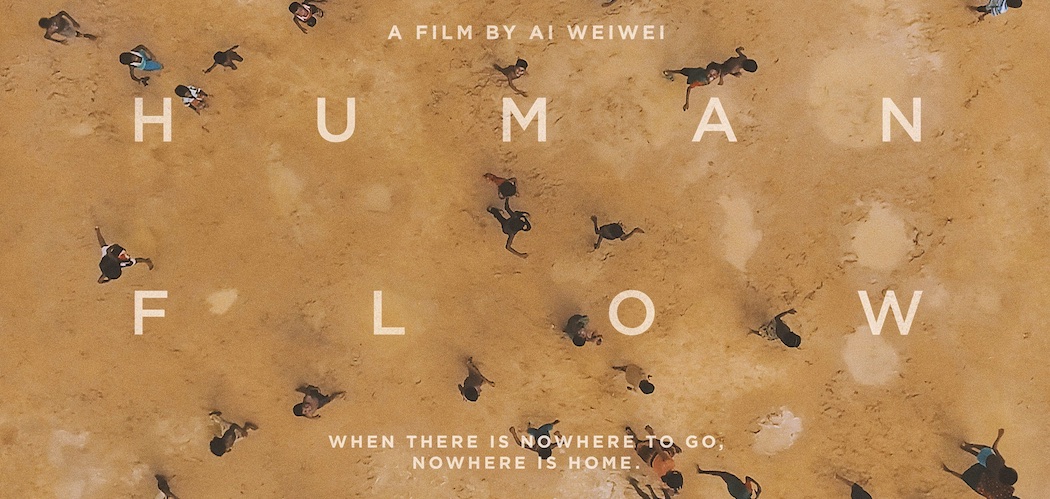
World-renowned Chinese artist Ai Weiwei’s latest feature film is an ambitious documentary mapping the scale of the global refugee crisis. Shot in 23 countries over the span of one year, Weiwei’s Human Flow follows the arduous journeys and crossings made by millions today.


Directed by Ai Weiwei.

Opens December 8th at the State Theater (233 S. State St). Tickets $8 with student ID.

140 mins. PG-13.

PREVIEW: Three Billboards Outside Ebbing, Missouri

An unsolved murder case. A grieving, demanding, unapologetic, bold mother. Controversial billboards. “Dim-bulb” police officers. Violence in the name of love, hatred, hope, rage, and forgiveness. Comedy. Crime. Drama. What more do you want in a movie? Three Billboards Outside Ebbing, Missouri features all these elements and more. Starring Academy Award winners Frances McDormand as Mildred Hayes and Woody Harrelson as William Willoughby, with Sam Rockwell as Officer Dixon, this dark comedic drama captures “something truthfully human.” The film opens at the Michigan Theater on Tuesday, November 21. Student tickets are $8, and it is also free with a Passport to the Arts voucher from November 22-29!

REVIEW: Dont Look Back

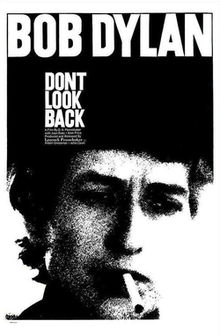
Bob Dylan is celebrated far and wide for his sense of enigma. It draws many fans to him like a magnet — the fact that he rarely, if ever, reveals details of his personal life, the impenetrable nature of his ever-changing persona. In fact, I actually went to see him in concert this October, and I was surprised by the fact that he didn’t say a single word outside of the songs that he played. This mystery is a trait that he carries even to this day, and it can be traced all the way back to the very beginnings of his fame in the 1960s.

Dont Look Back, a 1967 documentary focusing on his 1965 tour of London, England, brings its audience closer to Dylan — the “real” Dylan, if there is such a thing — than any of them are otherwise likely to get. This Dylan is striking, more than anything, because he wavers so much between different facades. At times he is visionary, playing guitar and singing straight from his heart, or talking honestly with people who see life differently from him; at other times he is downright arrogant, interrupting people often and discounting their opinions in favor of his own. Sometimes he is quiet and attentive, carefully listening while fellow musicians like Donovan and Joan Baez play music for him in hotel rooms; sometimes he is loud and angry almost to the point of not making sense, like when he demands to know who in his hotel is guilty of throwing glass into the street. He’s humble and down-to-earth, but also remarkably full of himself (“I know I’m big noise,” he taunts to a man he has accused of being guilty of the glass-throwing). Sometimes he’s very serious, and sometimes he grins and makes jokes — and what’s more, he’ll often switch between many of these attitudes within the span of a single minute.

Of course, many of these less endorsable sides of Dylan — that he is argumentative, acerbic, full of himself, etc. — are traits that a great deal of his fans will easily dismiss. They’ll say, “That’s just the way he is,” or, “That’s what makes him so great — he’s not afraid to tell people how it is!” Luckily, the film itself takes no sides; with no retrospective voiceover or imbalance regarding what footage it decides to show us, it is indiscriminate. It leaves its audience to make their own decisions.

The crowning achievement of Dont Look Back, then, is that it’s honest. It gives fans an inner look at everything they love about Dylan — the ways in which he can be at once relatable and completely, untouchably elevated — while refusing to shy away from the paradoxes of his character that at times can undercut this. I’ll admit feeling a personal pang of anger during a moment in the movie when Dylan tells a reporter something on the lines of, “I know more about you and your profession, just now from meeting you, than you will ever know about me.” But I also laughed anytime Dylan told a joke, and watched breathlessly during recordings of his live performances of songs like “It’s All Over Now, Baby Blue” and “Talkin’ World War III Blues”.

Dont Look Back was filmed at the height of Dylan’s fame and at the cusp of some of his most major creative breakthroughs (a.k.a., his 1967 triple-album win with Bringing it All Back HomeBlonde on Blonde, and Highway 61 Revisited). It situates us directly in Dylan’s touring life, to the point that we feel like we’re actually sitting where the camera operator is sitting, three or four feet away from him. It is arguably the closest any film has ever or can ever really come to penetrating the eternal mystery and captivating persona of Bob Dylan, for better or for worse.