
REVIEW: Silver Landings

Though today Mandy Moore may be better known for her career as an actress – she is the voice of Rapunzel in Tangled and plays Rebecca Pearson on the television series This is Us – she is also an accomplished singer/songwriter. Fans of This is Us will have been exposed to glimpses of Moore’s work on the show, since her character Rebecca is also a singer, but her albums offer a better picture of Moore as her own vocal artist. Silver Landings, released in 2020, is her seventh studio album.

The music itself eludes categorization into a single genre, instead audibly combining elements of pop, rock, and folk both from now and decades past. Indeed, both the musical style and the lyrics seem to be reflective of Moore’s career up to this point. For instance, her song “Fifteen” is in reference to her early success (she was fifteen when her debut single “Candy” launched her into the spotlight in 1999). The deliberateness of this album an especially notable treat for listeners, given that Silver Landings is Moore’s first album in over a decade; her last album, Amanda Leigh, was released in 2009.

Most of the album is upbeat in a relaxed and laid-back sort of way that seems evocative of the ends of long summer days, but one of my favorite songs is actually the slower ballad “If That’s What It Takes.” To the slow strumming of guitar, Moore sings “As the years keep slipping away / We’ll be the birthday cake / While the world turns itself inside out / We’ll be the butterfly / When they’re burning the carnival down / We’ll stay on the Ferris wheel / Oh baby, if that’s what it takes.” Another one of my favorites is the more upbeat but still reflective “Stories Reminding Myself of Me.” The line “Turning a corner so bittersweet” from the refrain seems representative of the entire album.

Overall, the feel of Silver Landings is one of a mature and varied musical style, with the album offering listeners a balanced plate of sonic influences. Moore deftly changes the timbre of her voice to match the lyrics and mood of the song, going from cool and detached to a warmer and richer sound. I found the album to be both mood-lifting and relaxing to listen to, which makes it a welcome escape from the current world.

If you are familiar with any of Mandy Moore’s previous work as a singer or as an actress (or even if you aren’t), I would recommend her newest album, Silver Landings.
REVIEW: Future Nostalgia

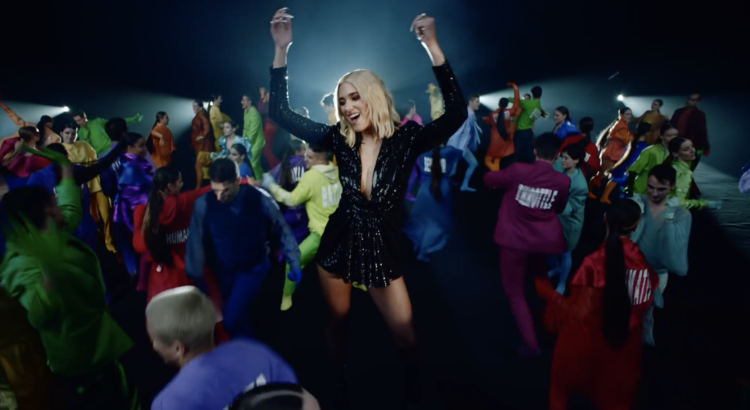
Around the time I first listened to this album, I saw this article discussing Dua Lipa’s 80s inspiration for the music video to her song “Physical.” That same modernized 80s feel is easy to see in the rest of her latest album, Future Nostalgia. Every song has the bright percussive beat, rounded guitar plucks, and electronic effects similar to those found in classic 80s songs. Similarly, there is little dissonance in the chords, giving the songs a welcoming, sunny feel. This is probably a good part of why I like this album so much. It evokes the same feeling as the actual 80s music that is my go-to for comfort food in music form. As I discovered while writing my review for Niall Horan’s album Heartbreak Weather (the title song of which, incidentally, was also featured in the article I mentioned above – I’ve clearly got a type), the presence of a moving base line also makes a major difference in my enjoyment of a song, and I can hear that in her songs. Her use of backing strings, perhaps most clearly seen in “Love Again,” provides added depth to the music. Musically, the songs in this album are all unique creations. They evoke this nostalgic, familiar feeling, yet the melodies and chord progressions are not generic at all. The songs surprise me as they develop, which makes the listening experience exciting.

I don’t have too much to say about the lyrics, since that’s not usually my focal point in music, but there are occasional phrases where she hits the nail on the head perfectly: for example, “I don’t wanna live another life, ’cause this one’s pretty nice,” she sings in “Physical.” Similarly, the song “Boys Will Be Boys” (though its martial music and social message seem out of place when the rest of the album is about the thrill of romance) is a concisely written summary of the still-daily struggles women live through, encapsulated in lyrics like “It’s second nature to…put your keys between your knuckles, when there’s boys around.”

My favorite part of the album, though, is the fact that all its songs are danceable. That, of course, is a function of the musical elements I wrote about above, but it’s worth a separate mention that the songs on Future Nostalgia make it impossible to listen passively. Like any 80s pop anthem worth its salt, these songs will make you want to move with them, even if you’re just sitting at your desk.

REVIEW: It Was Divine

“I’m not asking for too much/I’m asking the wrong motherfucker

Just ’cause we’re in love/Doesn’t mean that we’re right for each other”

Alina Baraz croons this out of pure self-love in “To Me”, the emotional turning point of her masterful debut studio album, It Was Divine. If emotive self-transformation were a sprawling mansion, It Was Divine would be the blueprint – each track is an artfully composed mood in itself, while the album narrates a tumultuous relationship from start to finish.

Baraz introduces her R&B-soul dreamscape with “My Whole Life”, a romantic carpet-ride of a song that perfectly encapsulates the overwhelming wonder of finding ‘the one’. Backed by romantic string instrumentals, Baraz repeatedly choruses: “I can see my whole life when I’m with you”, as if transfixed by the extent to which she can imagine the entirety of their joint futures. From this track onwards, Baraz constructs a spitting musical image of early relationship paradise: songs in the album’s first half are lush with motifs like vibrant sunsets, distinctive perfumes, and lavish resorts. “Off the Grid” featuring Khalid reflects the effortless nature of being comfortably in-tune with one’s lover – Baraz and Khalid sing promises like “Say the word and you know I’ll follow/Off the grid in the El Dorado/Could be nice in the summertime/We could sit inside, in the silence”. According to an Apple Music interview, Baraz describes their frequent collaboration as “effortless” and “in sync”, as the song’s infectiously vibe-able chorus suggests.

“Can’t keep makin’ a home out of you/Just ’cause you’re asking me to

I’m not asking for too much (Can we do it over?)”

“To Me” and its subsequent interlude, “Memo Blue”, effectively transition the tone of It Was Divine from hopelessly-in-love to reprocessing love as an independent emotion. “Memo Blue” resembles an immersive ASMR experience – the plinking of piano keys awakens Baraz from her rosy paradisal getaway, followed by soul-searching lines “I can only meet you as deep as you have met yourself/I can only reach you from where you are”. Baraz follows these important realizations with the hypnotic “Who Got Me”, a song of pure self-love featuring springy drum beats and Baraz’s distinctive, ethereal warble. By the song’s third verse, Baraz seems to transcend any doubt expressed by “Who got me like I do/When all of this is through”. The instrumentals recede while her voice, a born-again bird surging towards the sky, swells into a higher key.

It’s only fitting that Baraz ends It Was Divine with “The Beginning”; the album commands a similar regenerative power that reflects Baraz’s intent to introduce a new chapter into her music. This album is pure, unadulterated art, and Baraz’s ‘divine’ energy ties the work together with not a song out of place. I would highly recommend adding It Was Divine to your music libraries and watching its superbly aesthetic lyric videos on Youtube.


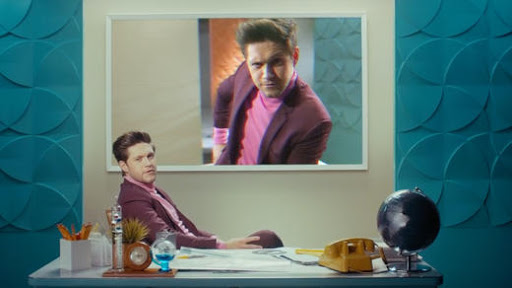
REVIEW: Heartbreak Weather

Whether I’m cleaning the bathroom, doing the crossword, or deeply entrenched in a design, music is usually my constant companion. Niall Horan’s new album, Heartbreak Weather, has been one of the albums keeping me company as I wrap up the school year.

What I like about this album can be classified into two categories. First, the instrumentals are engaging enough to stand alone. The chords aren’t hackneyed – songs aren’t interesting when I can predict all the notes that come next without having even heard the song before – but they are still comfortable. The instrumentals are deeply layered, with only a light reliance on engineered sounds, making the music seem more genuine. Even in the slower songs, the simplicity of the acoustic guitar is shaded by the strings in the background. I’ve lost count of how many times I’ve listened to this album since I first took a listen in March, but each time I do there is something new I hear in the songs.  I realized, for example, while trying to articulate why this music appeals so much to me, that there is always a moving base line. Most songs, of course, have a base element, but some simply hold a note. In my favorite songs on Heartbreak Weather, however, the frequent use of a shifting base line gives the songs a level of movement that keeps me engaged.

Second, the lyrics are different. I often don’t pay attention to the lyrics in a song, but these lyrics discuss the nuances of relationships, not the generic moments or feelings we hear so frequently. For example, in “Bend the Rules,” the lines “Cause on paper you don’t break them, but it hurts so bad the way you bend the rules” addresses some of the grey area in relationships that I don’t see surface often in songs about love. As Horan has stated was his intent with this album, the songs explore all facets of relationships, in a variety of musical styles, making the album suitable for listening across many moods. Similarly, some of the imagery in the lyrics is wonderfully specific. For example, “Are you all dressed up but with nowhere to go” in “Put A Little Love On Me,” or “And yeah we were dancing, dancing to Bruno” evoke precise images that make the listening experience so much better.

Most of my personal music “classics” – the albums that feel like home whenever I listen to them – are albums from the 80s to which I grew up listening. There are few modern albums that have made it into that category so far, but Heartbreak Weather is well on its way to making it in.

REVIEW: Before Love Came to Kill Us

If Jessie Reyez’s Before Love Came to Kill Us was a quarantine essential, it would be a serrated knife used to saw through a loaf of thick-crusted, homemade bread. Released this year on March 27, Reyez’s debut studio album wastes no time ripping into the artist’s grittiest emotions and slicing away with expansive, genre-bending gusto. The versatility of Reyez’s vocals and unapologetically blunt lyricism are present throughout the album, with sounds ranging from the swaggering, synth-infused “Ankles” to the reproachful Spanish ballad “La Memoria”. Though colored by a multitude of musical genres, each song seems to inflect different emotional responses to the messiness of love and the realization of one’s own mortality.

Reyez introduces her work with a distinctive vulgarity, declaring “I should’ve fucked your friends/It would’ve been the best revenge/For the fire that you started”, before continuing to saw away with impassioned remorse at the memory of her ex-lover. Reyez’s raspy declarations are accompanied by the almost ironically soft tones of a piano and string quartet, reflective of how the song’s mood glides through extremes. The singer slips between the fiery indignation of being “sick with feeling like I deserved better” and the quiet jealousy of “if I blow your brains out, I could guarantee that you’ll forget her” – delivering unforgettable lines with no semblance of mercy.

Before Love Came to Kill Us includes several of Reyez’s previous releases – like raw 2017 single “Figures”, and”Imported”, a slinky R&B collaboration with 6LACK. Though the tracks fit in thematically, with “Figures” cracking down on post-breakup hurt and “Imported” commenting on immigration and casual love, something about each seems to disrupt the album’s emotional flow. Perhaps the two singles flavor differently in emotional maturity – while the rest of Before Love Came to Kill Us exudes loud confidence even while tackling great insecurity, “Figures” and “Imported” display vulnerability more blatantly.

One of my favorites from this album is “Ankles”, a gloriously self-assertive production drawing upon both choir and trap sounds that make the listener feel as if they were curling their lip at their own unsavory ex. Reyez chants along with the instrumentals by continuously bearing a disparaging truth about her ex’s future: that regardless of who he finds, “these bitches can’t measure up/To my ankles/Levels? (Nah)”. She does this while bearing the truth of her own realizations – that the ex and their relationship, in all its cheating toxicity, had managed to string her along with guilt – not once, but twice. Reyez finishes her masterful rampage surrounded in ticking drum beats and the last strains of a choir, asserting that like her ex’s future prospects, he is “backwards, 2 feet/Shallow, too real”.

REVIEW: Yesterday

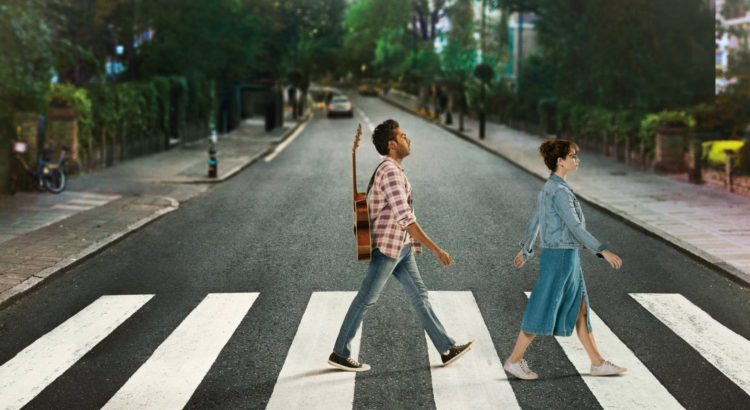
Streaming on HBO is Danny Boyle’s Yesterday, a story about how we are to prioritize our lives when good fortune drops into our lap. Jack Malik is a struggling musician who wakes up one day to an alternate reality in which he is the only person on Earth who remembers the Beatles and their music. As a hopeful artist who never has felt praised for anything of his own creation, Jack sets out to make a name for himself by producing the music of the Beatles for himself. As success and fame seize him and “his” music, we see Jack struggle with his own identify as he learns of what he truly wants from his life.

As an audience member who has never been a devoted fan of the Beatles, I tried to watch this film without a perspective that is dulled by adoration of the Beatles’s legacy.  Entering into this movie, I expected the themes to be closer to ones of sentimentality, such as desirous love or musical devotion. More prevalent, however, was the theme of what it means to be authentic despite the allure of obtaining mass appeal.

Just like the alternate universe in which Jack finds himself, Yesterday possesses a odd feeling of over-saturation. The execution of the characters’s motivations, while often resonant with real life, seemed slightly off and left me to believe that the script-writers did not properly prepare for certain plot set-ups. That being said, the majority of the characters appeared normal in comparison to Jack’s second manager, Debra Hammer: a representation of surface-level production value that only cares about Jack’s profitability. This larger-than-life persona is a caricature of executives from the music industry in real  life who are in the business of sucking currency out of a creative entity. While Debra works to build a solely-profitable image for Jack, we see Elle, Jack’s first manager, who had only worked to affirm and encourage who Jack already was. The stark distinction between the two managers is offered as a choice for Jack; is it more valuable to be widely profitable as a product, or uniquely valued as an authentic being?

As Jack dives deeper into his woven lie, he grows increasingly anxious that someone knows his secret and that he will be put to shame for the liberties he has taken with the Beatles’s music. The pace and sequencing plays on the feelings of anxiety that many may know as an imposter syndrome. As Jack is credited as a genius, he feels increasingly lost in the image that has been developed for him.

What is the cost of accepting the love that we are freely given? So often it can be easy to hope for love that is given for what we offer the world, but there is a sort of indescribable sacrifice one must make in order to be loved just as they are. Despite its occasional nonsense and the unpredictable writing, Yesterday is a charming film that sparks thought and reflection about personal authenticity, and hopefully draws to mind someone in your own life who has valued you even at your lowest points.