REVIEW: Bodies of Michigan exhibit

The Bodies of Michigan art exhibit put together by Natalie Giannos in Palmer Commons is located along the walls of the Windows Lounge.  That immediately made it difficult for me to look closely at the images because in order to do so, I needed to navigate around all the people studying and invade their space.  It also gave me the impression that while the images were in a public space, not many people were actually seeing them because they were so immersed in their own projects.  That made me a little upset because I found a lot of the pieces rather striking.  Therefore, I think a different venue would greatly benefit this exhibit if it’s going to run again next year — maybe something a little more intimate where the images can actually be observed closely.

The exhibit featured six images (there is a spot for a seventh image entitled “He Loves Me, He Loves Me Not” Robin Rranza, but the picture looks like it was torn off the wall).  The collection overall was very colorful, with images like “Bad Boy Rebellion” also by Robina Rranza and “Alternatively…” by Sonalee Joshi.  I found this enjoyable because, despite the difference in medium, those two images captured two completely different types of people.  “Bad Boy Rebellion” could be representing more of a party scene whereas “Alternatively…” seemed a little more hipster and low-key.

Bad Boy Rebellion
Alternatively…

While the majority of this exhibit was colorful, there was one photograph that stuck out to me.  Entitled “Loveletter” by Mackenzie King, it was a picture of a seemingly nude woman in monochrome.  I really enjoyed looking at “Loveletter” because the centralization of light silhouetted the model’s body in such a way that emphasized her curves beautifully.  The title of the photograph and its content really worked well together, and I enjoyed its simplicity.

Loveletter

Another image was “Goiters Caused by Coulrophobia” by Adrian Hanna, which presented a depiction of what looked like the interior of the human body.  This was an interesting piece because it had some 3-D elements.  The final image was entitled “I Know” by yours truly, a picture of my friends posed underneath a bridge in the Arb.

Overall, I think I would have enjoyed the exhibit a lot more had it been held in, for instance, its own room.  Despite that, I loved the concept behind it and all the different interpretations of the human body.

PREVIEW: Bodies of Michigan exhibit

The Bodies of Michigan art exhibit at Palmer Commons features a multitude of artists and their take on how they understand and interact with the human body.  Differing mediums, styles, and contexts convey everything from friendships to phobias.  I’ve personally been really interested in street photography lately, and the fact that this exhibit features photography as well as different styles is really fascinating.  I’m hoping to understand how other artists have chosen to represent their worlds.

It’ll be at the Windows Lounge until Thursday, and I’m excited to see it!  For more information, click here.

My contribution to the exhibit is also featured!

REVIEW: An Accidental Photographer, Seoul 1969

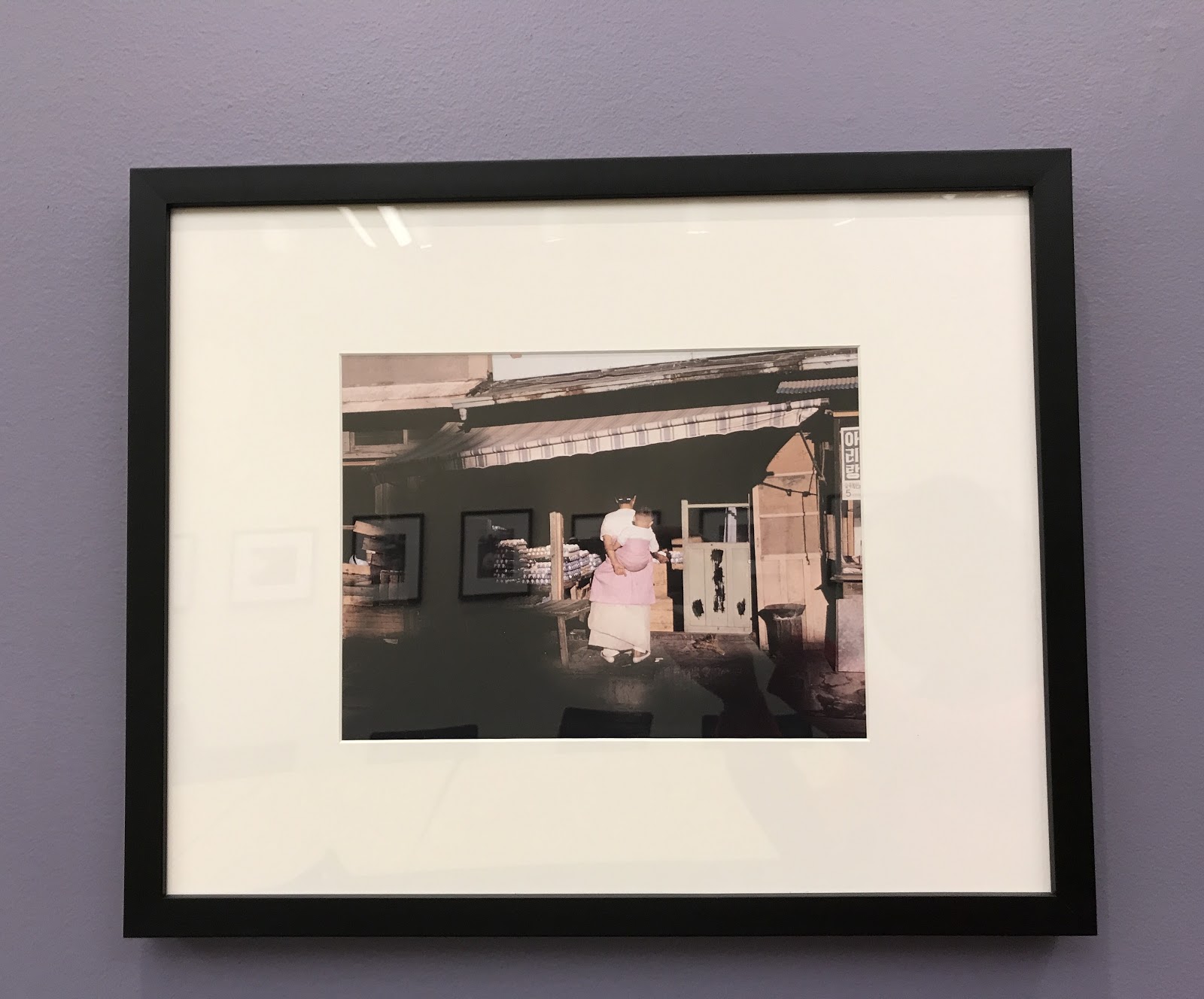
In collaboration with the Nam Center for Korean Studies and the Friends of Korea, the University of Michigan Institute for the Humanities has displayed an exhibit of selected images from over 300 photographs taken by Margaret Condon Taylor. As a Peace Corps member, Taylor resided in an area near the Ewha Women’s University, and used her camera as a lens of articulating her experiences as a “blue-eyed resident of an old Korean community undergoing rapid transformation” in 1969.

At the time, South Korea (Seoul, in particular) was on the cusp of undergoing rapid urbanization, eventually transforming into the sleek and modern jungle of the present, in its heavily electronic and fluorescent glory. Taylor’s images,  however, “pay tribute to a time when community life in Seoul was still organized around alleyways.” The subjects of Taylor’s photographs are caught in the midst of their daily activities; some look directly at the camera, but most are unaware, concentrating on dancing, taking care of children, or socializing with friends. Her subjects are young and old alike; somber and joyful; serious and lighthearted. In the selected pieces, the subjects looking into the camera appear largely amused– whether it is because of the experience of having their portraits taken, or the novelty of encountering an “accidental photographer” with an interest in their everyday lives.

The photographs are all uncaptioned, and while at first I wished for some context to the situation and locations of the subjects, I soon realized that it is not really necessary to understand the broader context of the exhibit. The images work together to form a picture of South Korea’s 1969 society as a whole. As a Korean American who has also visited Korea last summer, I recognize certain elements and situations that are strikingly familiar, such as the old man sitting outside in a white hanbok (Korean traditional garment) and the woman carrying a child on her back in a sling that my own grandmother used to carry me as a baby.

Taylor’s images display a society that is both historical and familiar, and portrays the different aspects of everyday Seoul life for a 1969 citizen. The exhibit will be on display until January 12th in the Institute for Humanities Osterman Common Room.

(Image credits: Margaret Condon Taylor)

REVIEW: Tiny Expo: Indie Holiday Art and Craft Fair

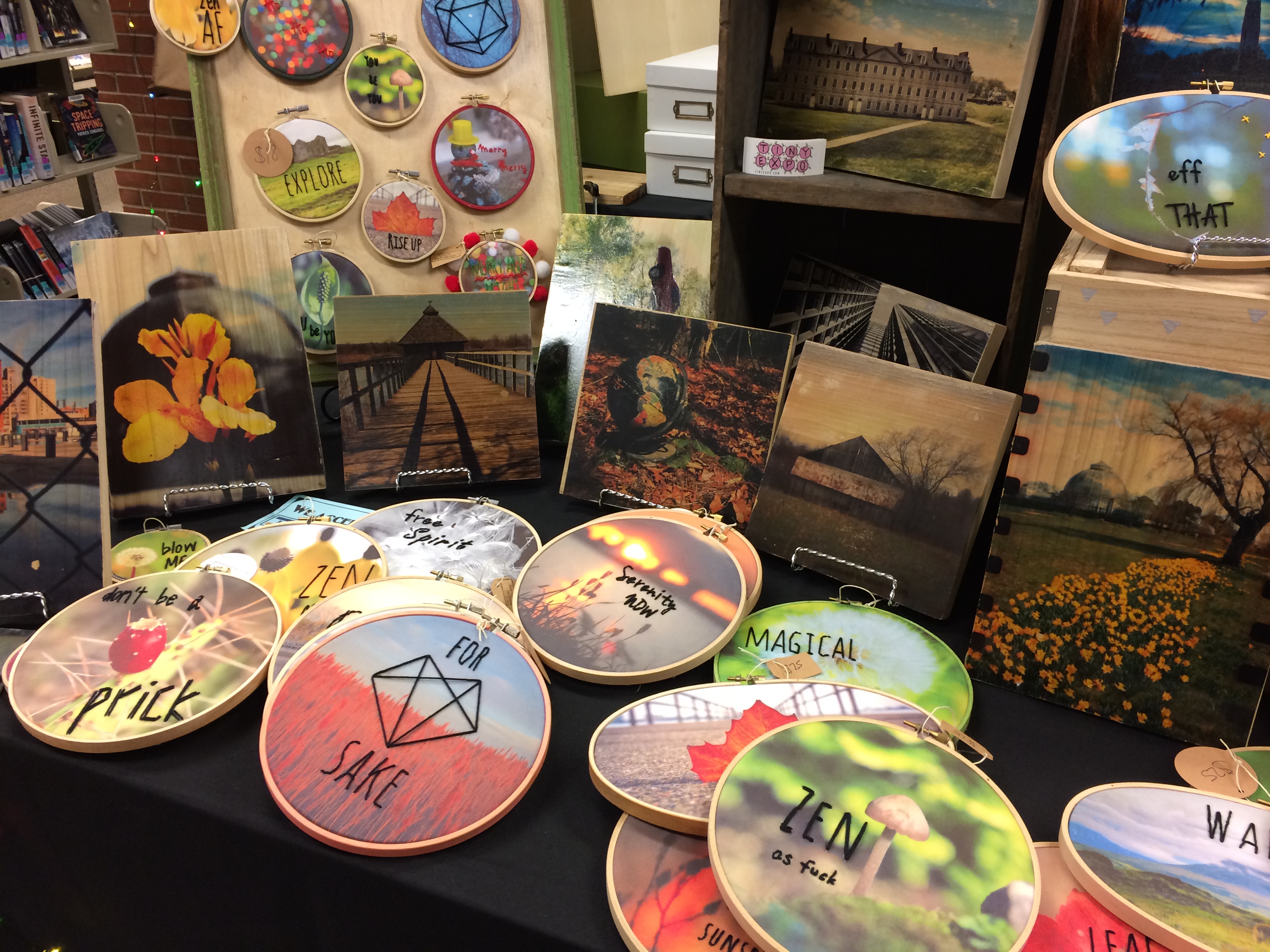
The Tiny Expo was not so tiny at all – it was great. The tables of artists and crafters were enough to keep an expo-goer busy for more than an hour, if you were lucky enough to get to every one because of the crowds. It is fulfilling to see community come together, and it is even better when it is for the sake of art.

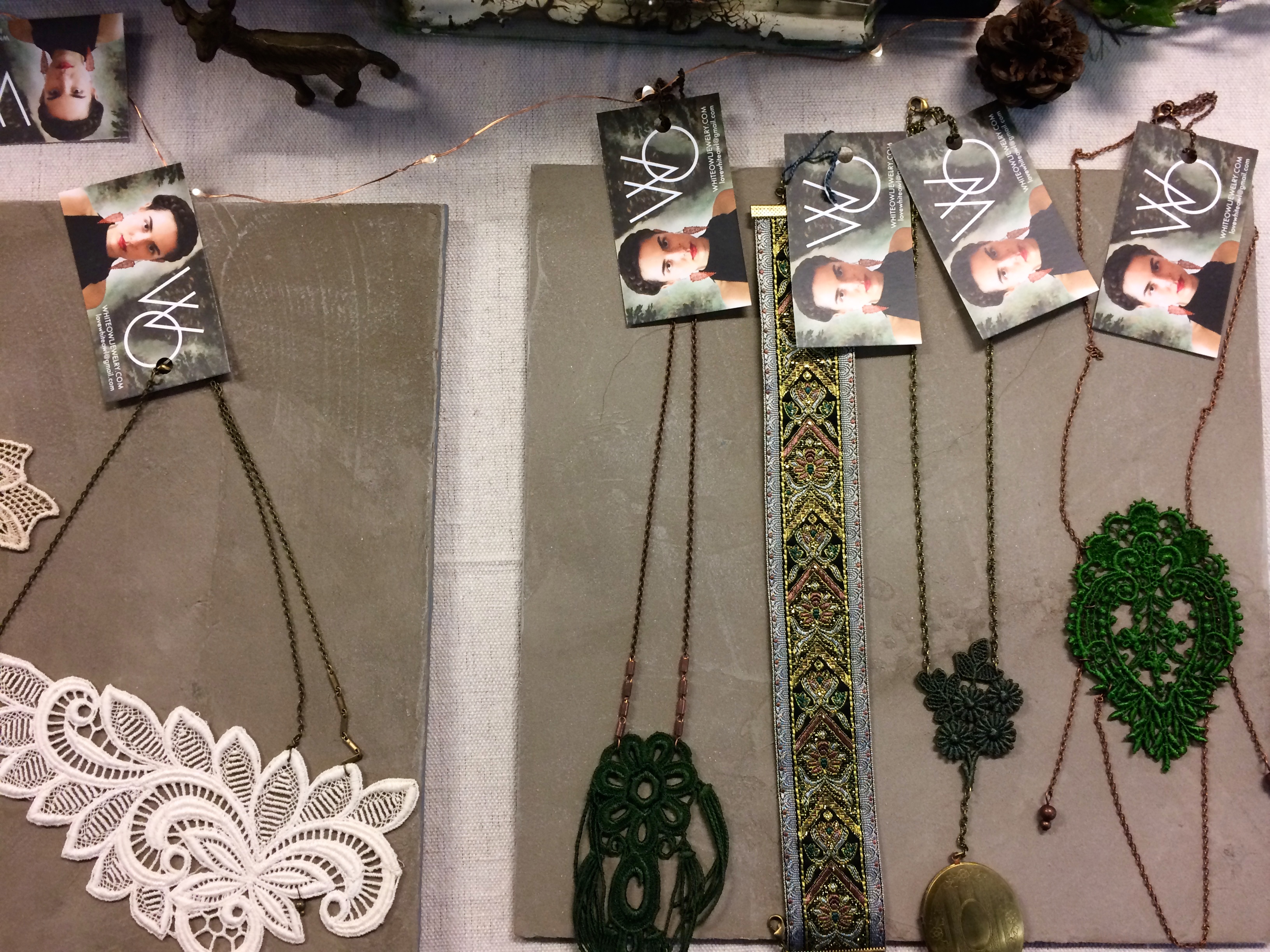
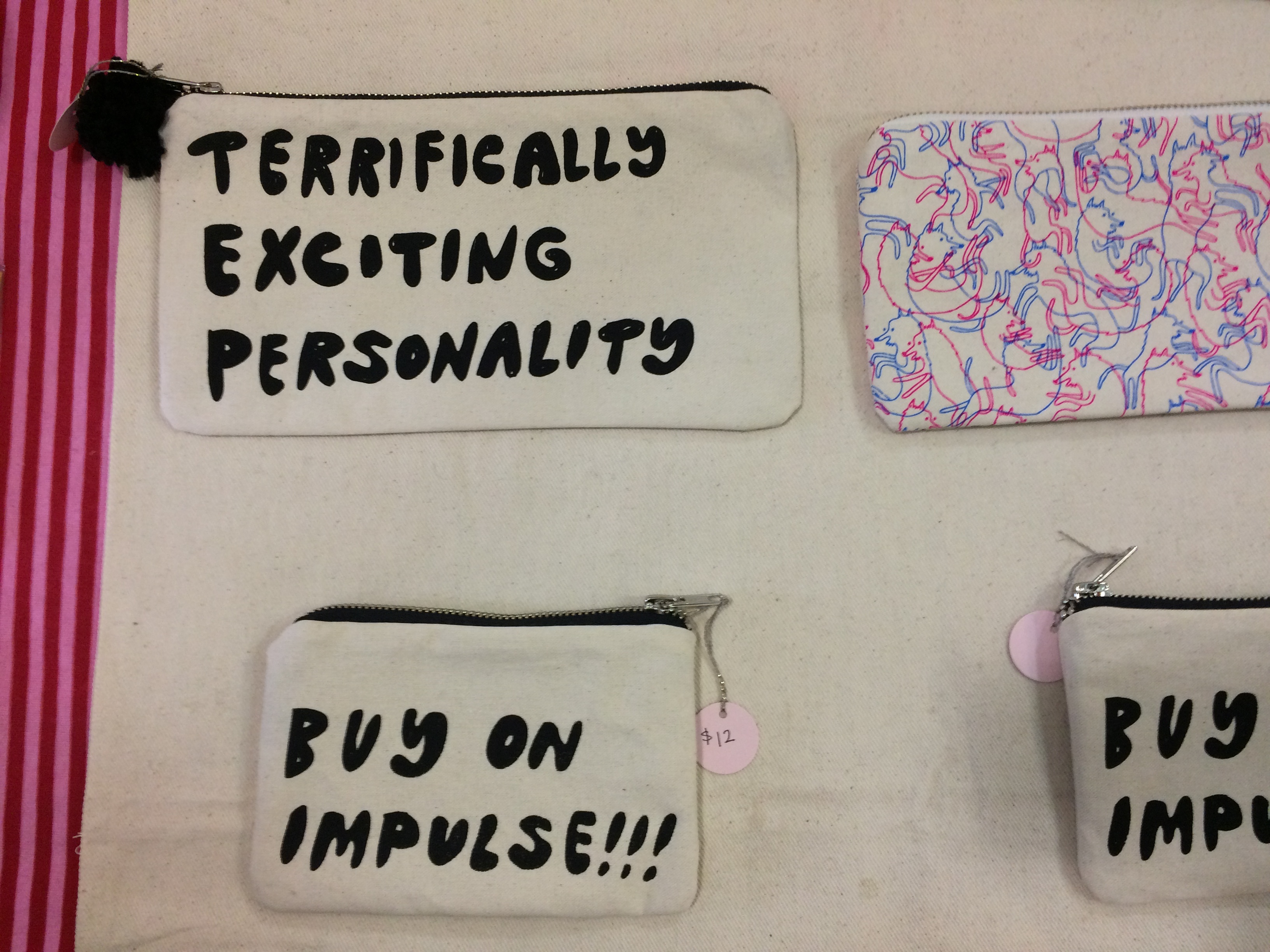
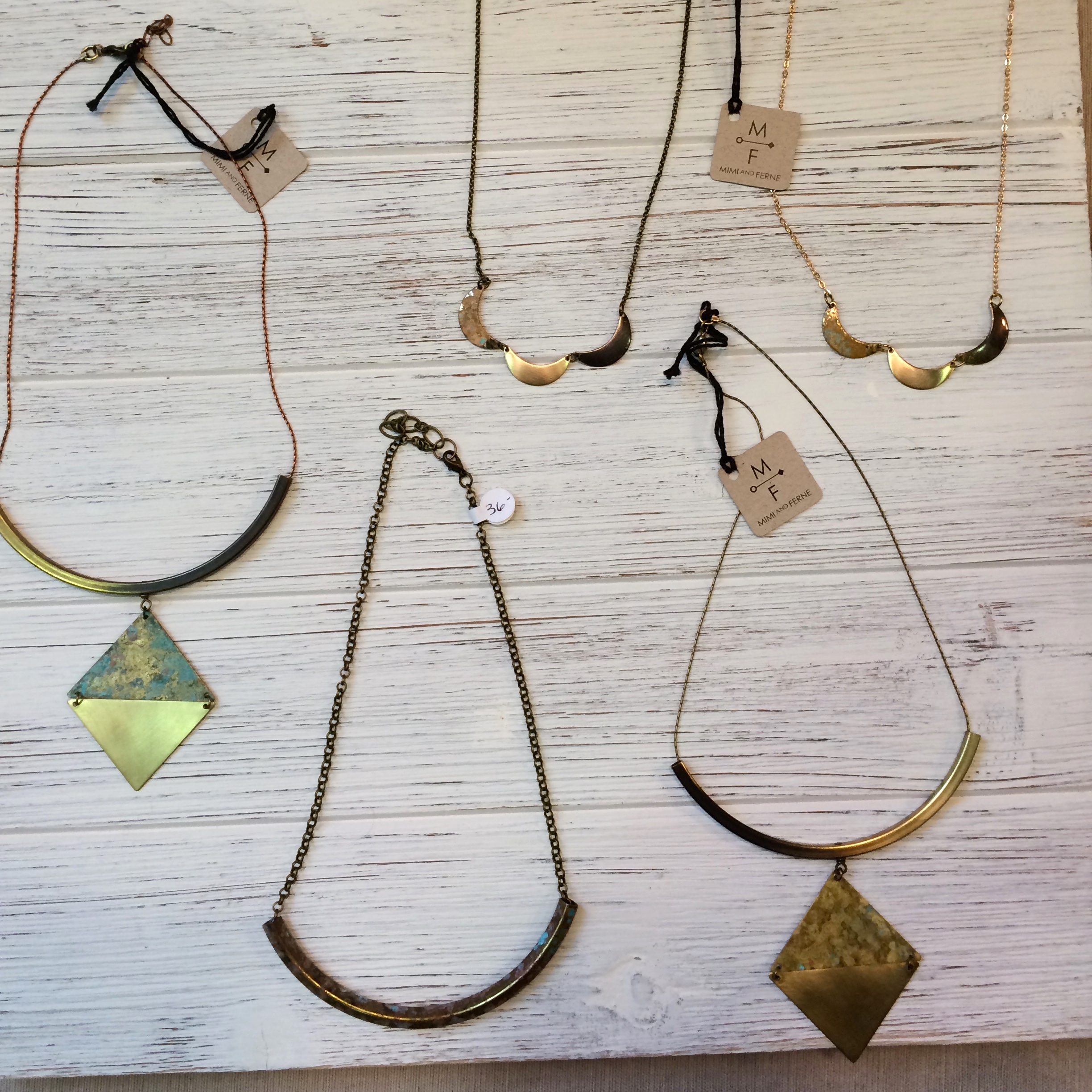
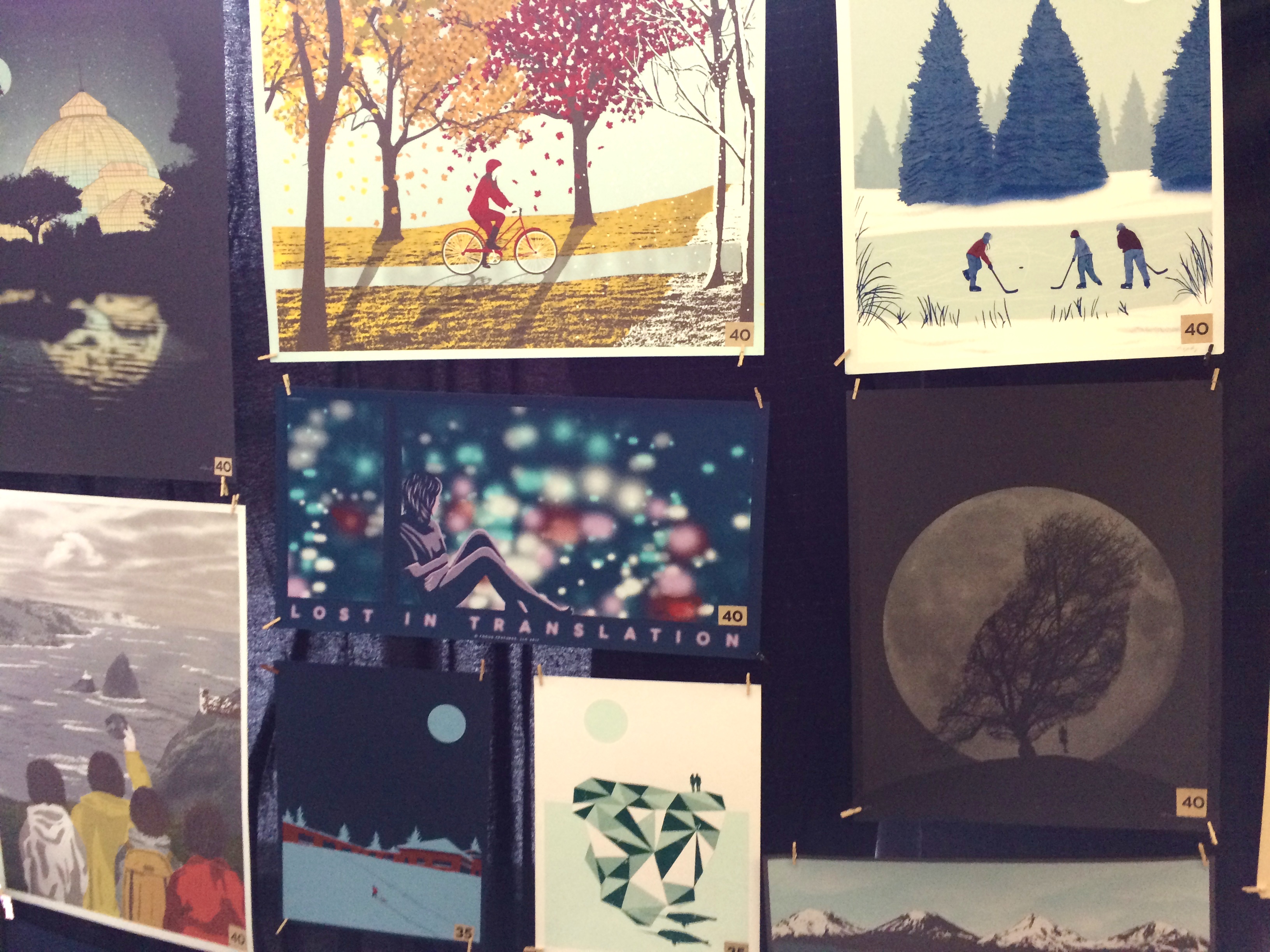
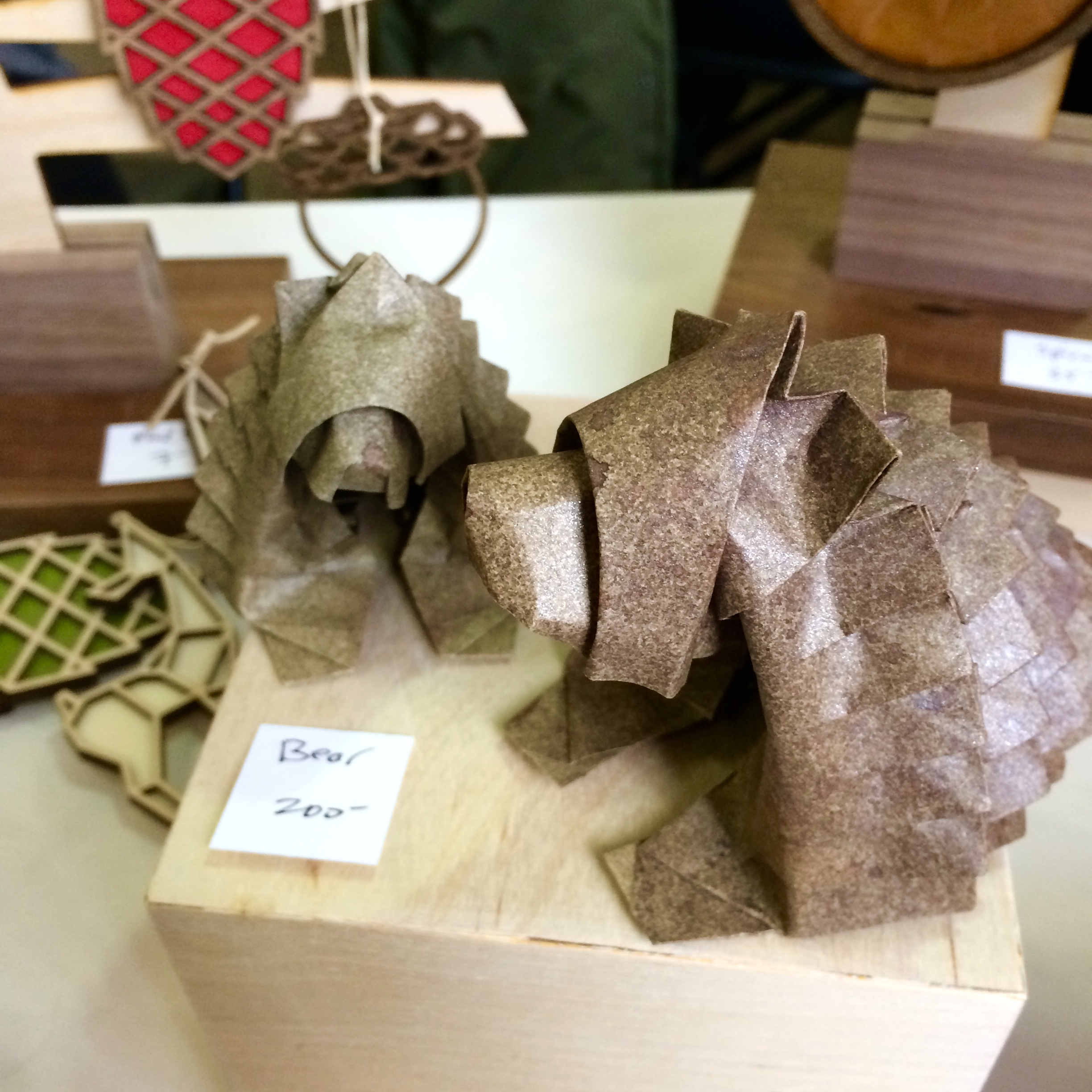
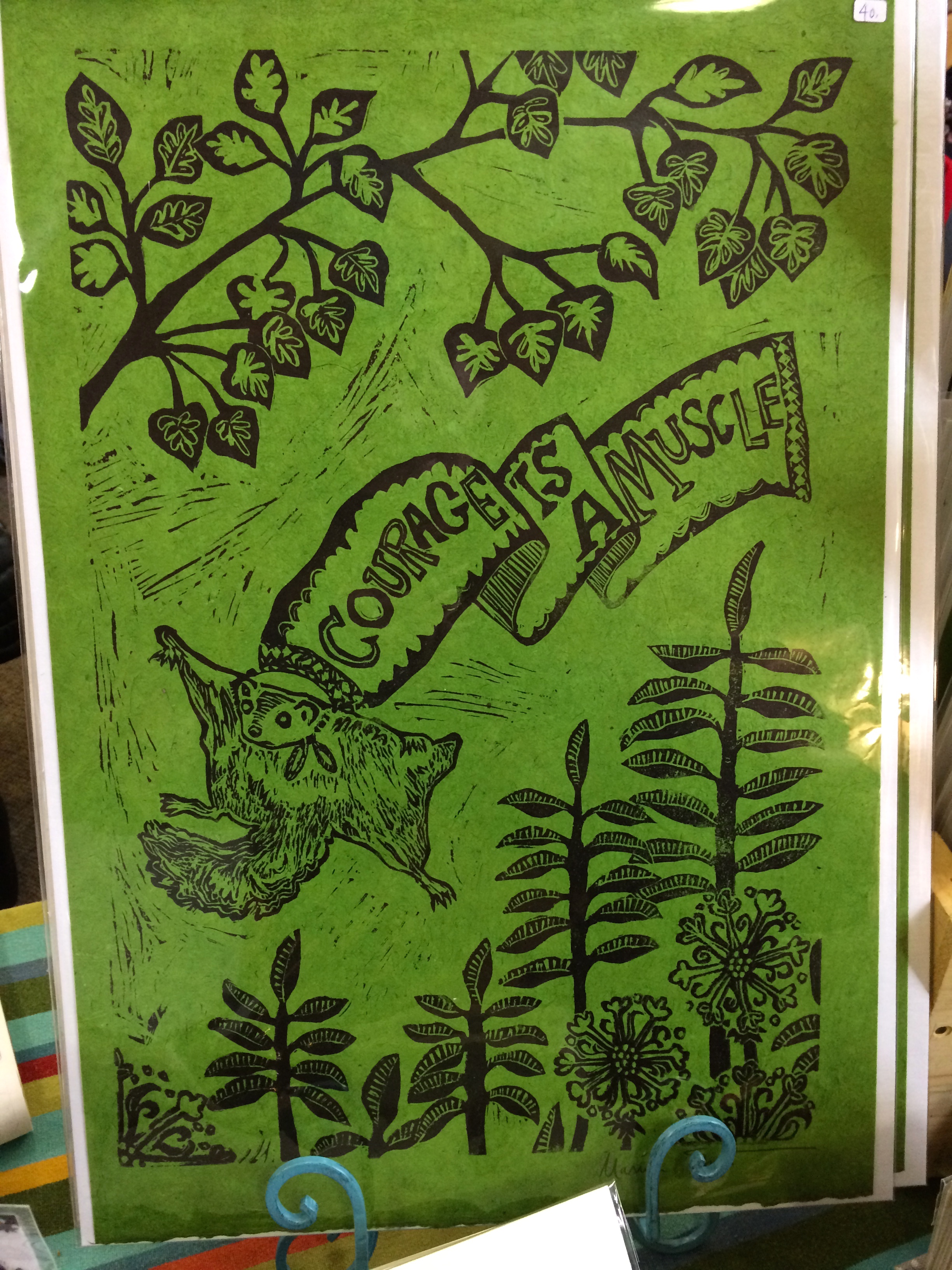
Every table at the expo offered different work, such as toys, handmade jewelry, candles, origami, pins, zines, homegoods, pottery, prints, wellness products, bags and wallets, comics, crocheted accessories, and photography. While the jewelry tables were the most common at the expo, each brand still held its own unique style, whether that was being molded out of clay into miniature food pieces or being made of bicycle tires’ rubber. The expo had no shortage of creativity and energy, between the beautiful art and the lively artists who were eager to chat with everyone. One of my favorite artists I encountered was David Zinn, a street artist who does his vibrant, imaginative work primarily around Ann Arbor. (And he is a UMich alum… coooool!!!) Another was AlmaPottery, whose stunning metallic pottery pieces I stared at long enough to make up for not being able to buy one.

There was also the fun crafting going on in the “Secret Lab” basement of the library, which appealed more directly to children but was still worth taking a look at. With holiday-themed paper crafts, letter presses, pom-pom making, and screen printing, it was a good interactive addition to the expo. I think it has potential to be expanded on, maybe with more craft options or even workshops from the artists that would appeal to all ages.

A robust crowd attended the expo: plenty of children, drawn in by activities in the Secret Lab, and lots of adults, who support the community and its art. The only disappointment I felt about this crowd was the prominent absence of young adults. I did not notice many people who may have fallen between the ages of sixteen to thirty. For an event that is so welcoming to guests and vendors alike (the library gives the artists their tables free of charge, simply encouraging local art, as to most other expos/markets/festivals/fairs that charge for a space), I would have hoped to see more young adults interested in the expo. We are the ones fueling upcoming years of such expos and art in general. Art starts locally. There was beautiful work at the expo, work that I know many of my friends and other students would have appreciated. Hopefully in upcoming years it will be better publicized to pull in more college-aged people.

The Expo was an enjoyable afternoon that gave people the chance to see collection of varied, skillful, and inspiring work, done mostly by native Michiganders. The exposure given to these artists through Tiny Expo and the Winter Art Tour is an awesome opportunity, one that will hopefully gain a larger following in future years. 

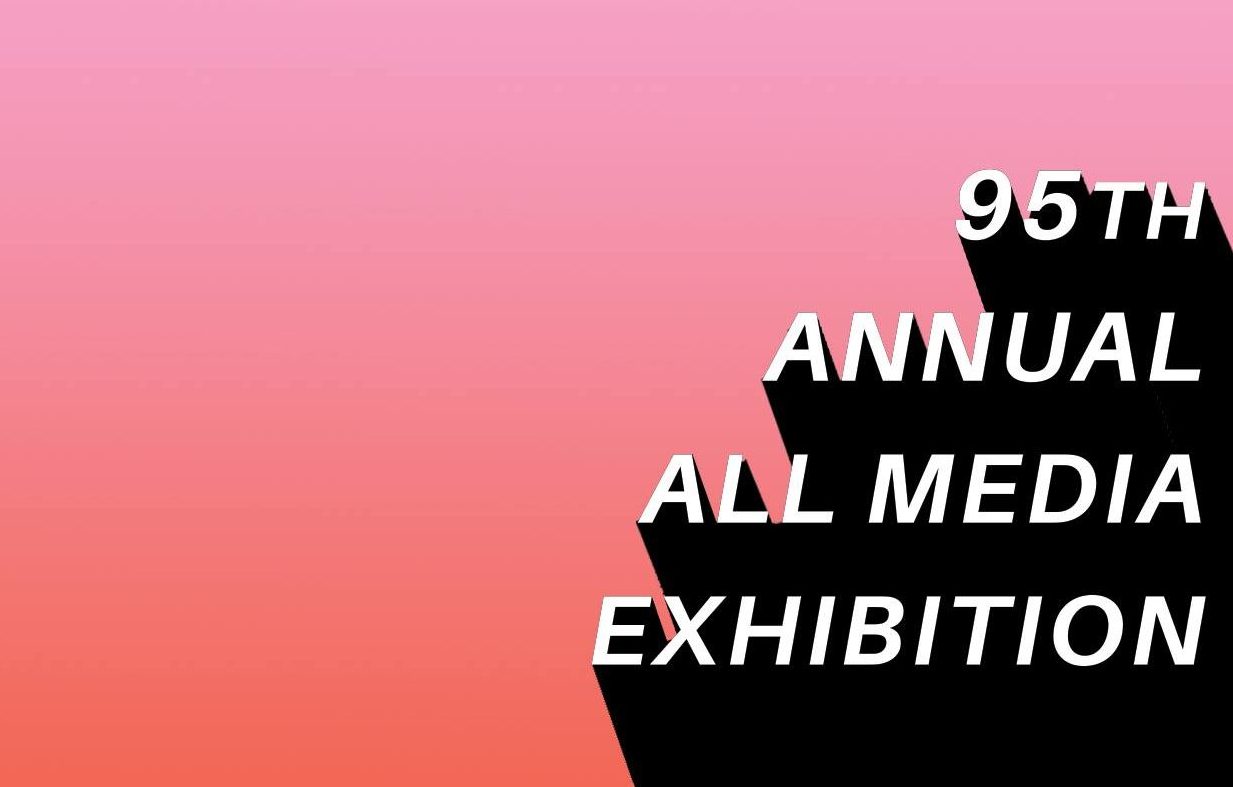
PREVIEW: 95th Annual All Media Exhibition

The All Media Exhibition at the Ann Arbor Art Center has showcased local artists since 1922. The annual competition enters its 95th iteration this year, promising an eclectic mix of work juried by Allison Wong (Director of the Wasserman Projects).

On view from December 15th – January 13th at the Ann Arbor Art Center (117 W Liberty St). Opening party and reception featuring winner announcements on Friday, December 15th from 6-9PM.

REVIEW: American Berserk

In Valerie Hegarty’s American Berserk, the country is crumbling.

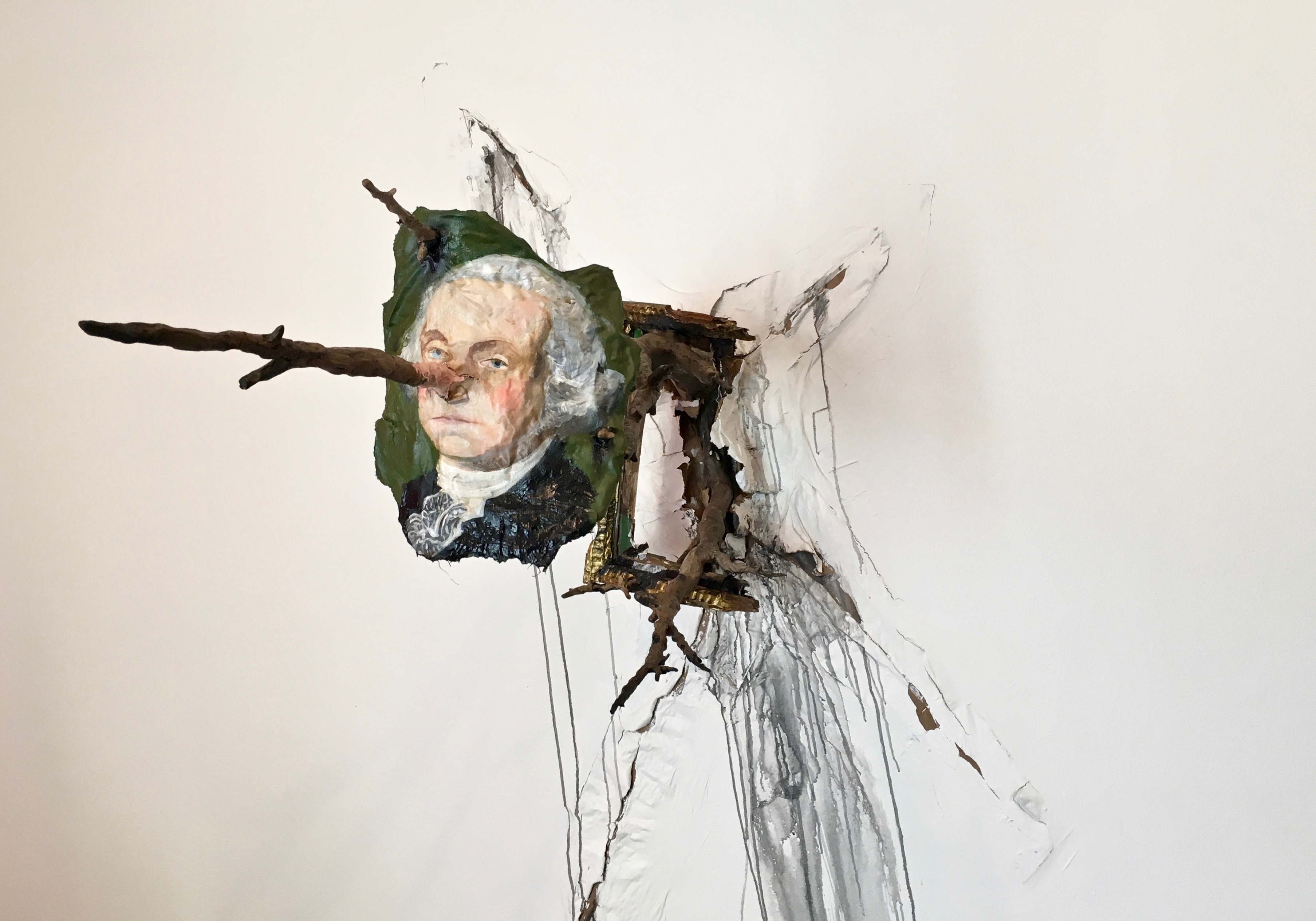
Hegarty unseats classic Americana through her sculptures. A tree branch emerges from a gallery wall to spear a portrait of George Washington. Next to this less-than-subtle Pinocchio imagery, a nearby pair of ceramic topiaries—cut in the shape of our nation’s first president—are comical in their quietness.


For Hegarty, the rotting of fruits is a colorful affair. Cave-like apple cores are covered by bright red skins, splayed-out bananas writhe into tongue shapes, and watermelons are twisted into disconcerting smiles.


As ceramic conch shells unfurl into picture frames, the paintings they reveal are distorted by their spirals. A window frame at the exhibition’s entrance is draped in floral-print cloth. Yet the fabric melts down the pane as the rickety wood splits into pieces. Hegarty insists that America be viewed in all its misshapen glory.


American Berserk is on view at the Institute for Humanities Common Room until December 21st.