Maggie Betts’s debut film, “Novitiate,’ details the experiences of Kathleen, a young woman who decides to become a part of the Catholic Church as a nun. Set in the early 1960’s, viewers are invited to witness Kathleen grapple with issues of sexuality and her own personal faith, as her training proves to be much tougher and demanding than expected. Her story spans a decade, paralleling the times of radical historical change within the church. The film was showcased at the Sundance Film Festival and met with positive feedback. Check out the trailer below:
“Novitiate” is being shown at the Michigan Theater until December 17. Tickets for students are $7, with ID.
Many movies have been released over the years. There has been the good, the bad, and the just plain ugly, but no movie has had quite the same trajectory as Tommy Wiseau’s infamous production, The Room. Wiseau, a newcomer to Hollywood, chose to write, direct, star in, and most mysteriously, entirely fund his dream project. Full of unforgettably awkward lines and inexplicable directing choices, the movie was declared a disaster. But it has also become an eminently watchable disaster, spawning midnight screenings across the country every year. Part of that fascination has birthed a new project directed by and starring James Franco, The Disaster Artist, based on the novel by Greg Sestro, a friend of Wiseau’s who continues to write and produce films with him.
The film begins when Sestro (Dave Franco) first encounters Wiseau. Greg gapes in both horror and admiration as Tommy performs Shakespeare for the entire theater class. Much of the film encourages the audience to do the same. Goggle at James Franco’s wig! Giggle at his accent! Observe as he meticulously recreates your favorite scenes from The Room! The Disaster Artist mines what the audience already knows, making it feel perfunctory as it reveals each new puzzle piece. Perhaps it is because the puzzle seems too neatly put together. The awkward football tossing, Wiseau’s peculiar laugh, the iconic lines, each make an appearance in Tommy’s and Greg’s interactions. It is all a collection of references rather than a movie that can stand on its own. When the movie does try to chronicle Greg’s and Tommy’s lives before the making of The Room, it treads in clichés. It is disappointing that a character like Wiseau could be revealed to be simply just another failed LA dreamer, just another jealous friend. It is a case where humanizing the main character does not have the expected effect. Perhaps it would have been better to let the curtain be. The mystery behind it will always be more interesting than the truth.
One of the more intriguing narratives of the movie considers the friendship between Tommy and Greg. Tommy, throughout most of the film, exerts considerable power over the younger, impressionable Greg. He houses Greg in his beautiful LA apartment, drives him around in a Mercedes Benz. To its credit, the movie does not shy away from showing the problematic nature of Tommy’s controlling personality whether it be terrorizing actresses on set to manipulating his friendship with Greg to get what he wants. However, the movie does seem to justify his actions as stemming from a place of insecurity. It is problematic, then, that Tommy is still able to get what he wants from Greg with barely a protest. The characters of The Disaster Artist may be better written than those of The Room, but there is still a missing nuance that can’t be covered up with silly accent. It is hard to believe in characters who seem to be constantly winking at you.
The Disaster Artist knows what audience its playing for. Sometimes, that self-awareness can be captivating. Those who have seen The Room will certainly want to see this movie. However, for me, it actively decreased my investment in the characters, even as I laughed at the impressions and the recreations. It is a well-worn storyline in a well-done package. Both the Franco brothers and Seth Rogen, as the protesting script supervisor of The Room, give terrific performances. The older Franco also does well to meticulously construct and frame shots exactly as they were in the original film. But in the end, the film was a disappointment and unlike The Room, I’m not sure that I will be re-watching it anytime soon.
The Disaster Artist is more than just a good movie about a bad movie, it is a story about trying to fulfill your dreams in anyway you can. The movie chronicles the making of The Room, dubbed by many as the best terrible movie; and in many ways that holds up. There have been plenty of bad movies over the years but none have stayed in the theaters for 14 years and have such a large cult following like The Room.
This movie is based on the book of the same name, by Greg Sestero. The movie focuses on him (Dave Franco) and his friend, Tommy Wiseau (James Franco), the director of The Room, and the journey that they went through to make The Room. Along the way the movie explores their friendship and the mystery that is Tommy Wiseau.
The performances by all the actors involved in this movie were spectacular. The Franco brothers, especially James, played their roles very convincingly and very accurate. On top of this the smaller parts with Seth Rogan, Josh Hutcherson, and Zac Efron make up some of the most hilarious parts of the movie – which is already very funny throughout. However, what stood out to me wasn’t just the comedic aspect, but the story of Tommy and his friendship with Greg. It tells a story about trying to make it in a cut throat industry and them adapting and doing it their own way. We see Tommy’s sympathetic side come out of his mysteriously unique personality, and it dives into what it is like to follow your dreams even when it happens in a way that you may not have thought. In the end, The Disaster Artist, is a story of uncommon friendship and passion.
You will walk away with not only questions about who Tommy Wiseau is, but also how this unbelievable story can be true. Although, it is important to note that Tommy himself says that it is 99.9% accurate, and the .1% that is wrong was the lighting (but that might just be due to the sunglasses he always wears).
I think that this movie was excellent, and can definitely be seen even if you haven’t watched The Room, as I hadn’t. It is currently showing State Theater and tickets can be purchase for $8 with a student ID.
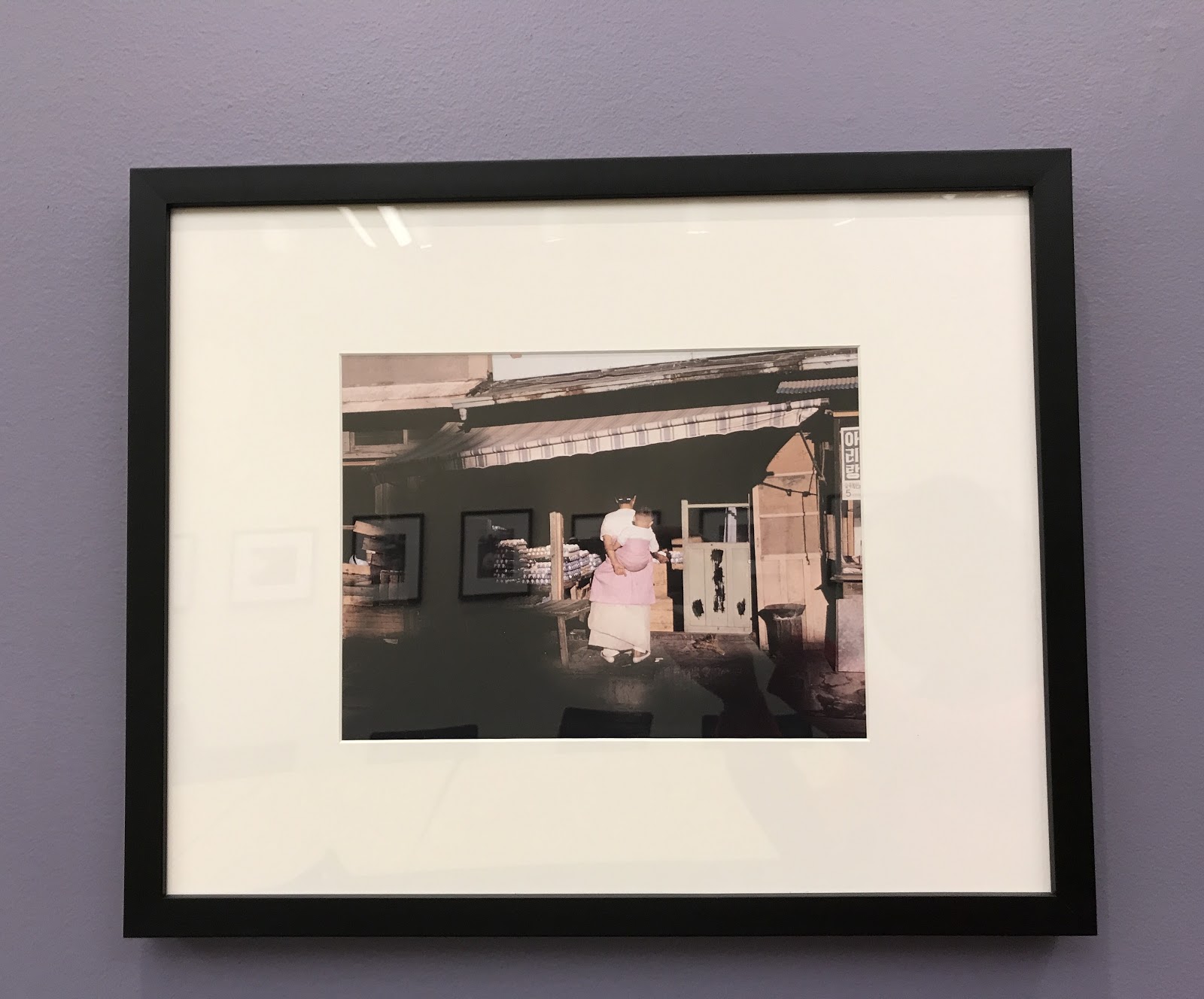
In collaboration with the Nam Center for Korean Studies and the Friends of Korea, the University of Michigan Institute for the Humanities has displayed an exhibit of selected images from over 300 photographs taken by Margaret Condon Taylor. As a Peace Corps member, Taylor resided in an area near the Ewha Women’s University, and used her camera as a lens of articulating her experiences as a “blue-eyed resident of an old Korean community undergoing rapid transformation” in 1969.
At the time, South Korea (Seoul, in particular) was on the cusp of undergoing rapid urbanization, eventually transforming into the sleek and modern jungle of the present, in its heavily electronic and fluorescent glory. Taylor’s images, however, “pay tribute to a time when community life in Seoul was still organized around alleyways.” The subjects of Taylor’s photographs are caught in the midst of their daily activities; some look directly at the camera, but most are unaware, concentrating on dancing, taking care of children, or socializing with friends. Her subjects are young and old alike; somber and joyful; serious and lighthearted. In the selected pieces, the subjects looking into the camera appear largely amused– whether it is because of the experience of having their portraits taken, or the novelty of encountering an “accidental photographer” with an interest in their everyday lives.
The photographs are all uncaptioned, and while at first I wished for some context to the situation and locations of the subjects, I soon realized that it is not really necessary to understand the broader context of the exhibit. The images work together to form a picture of South Korea’s 1969 society as a whole. As a Korean American who has also visited Korea last summer, I recognize certain elements and situations that are strikingly familiar, such as the old man sitting outside in a white hanbok (Korean traditional garment) andthe woman carrying a child on her back in a sling that my own grandmother used to carry me as a baby.
Taylor’s images display a society that is both historical and familiar, and portrays the different aspects of everyday Seoul life for a 1969 citizen. The exhibit will be on display until January 12th in the Institute for Humanities Osterman Common Room.
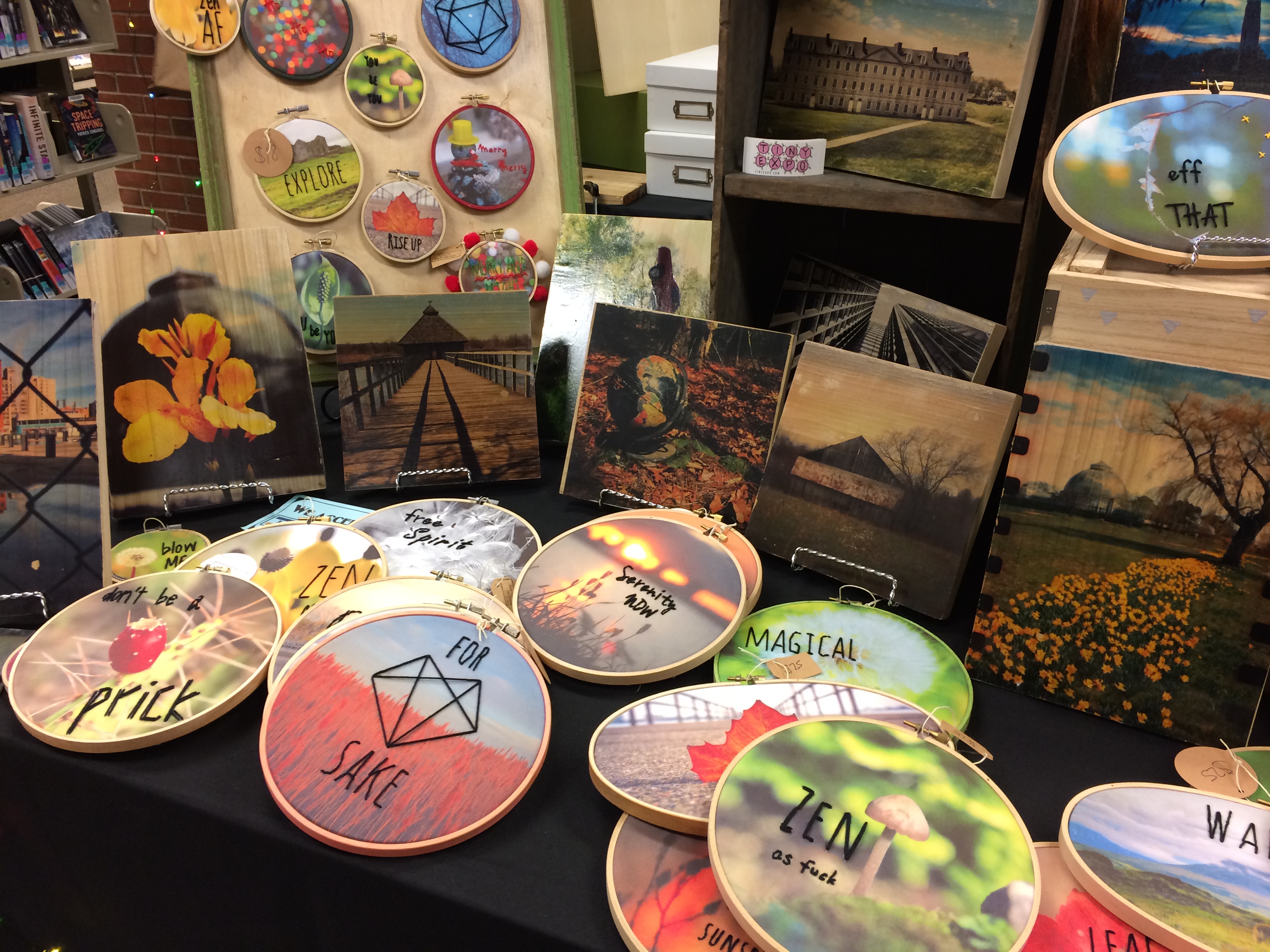
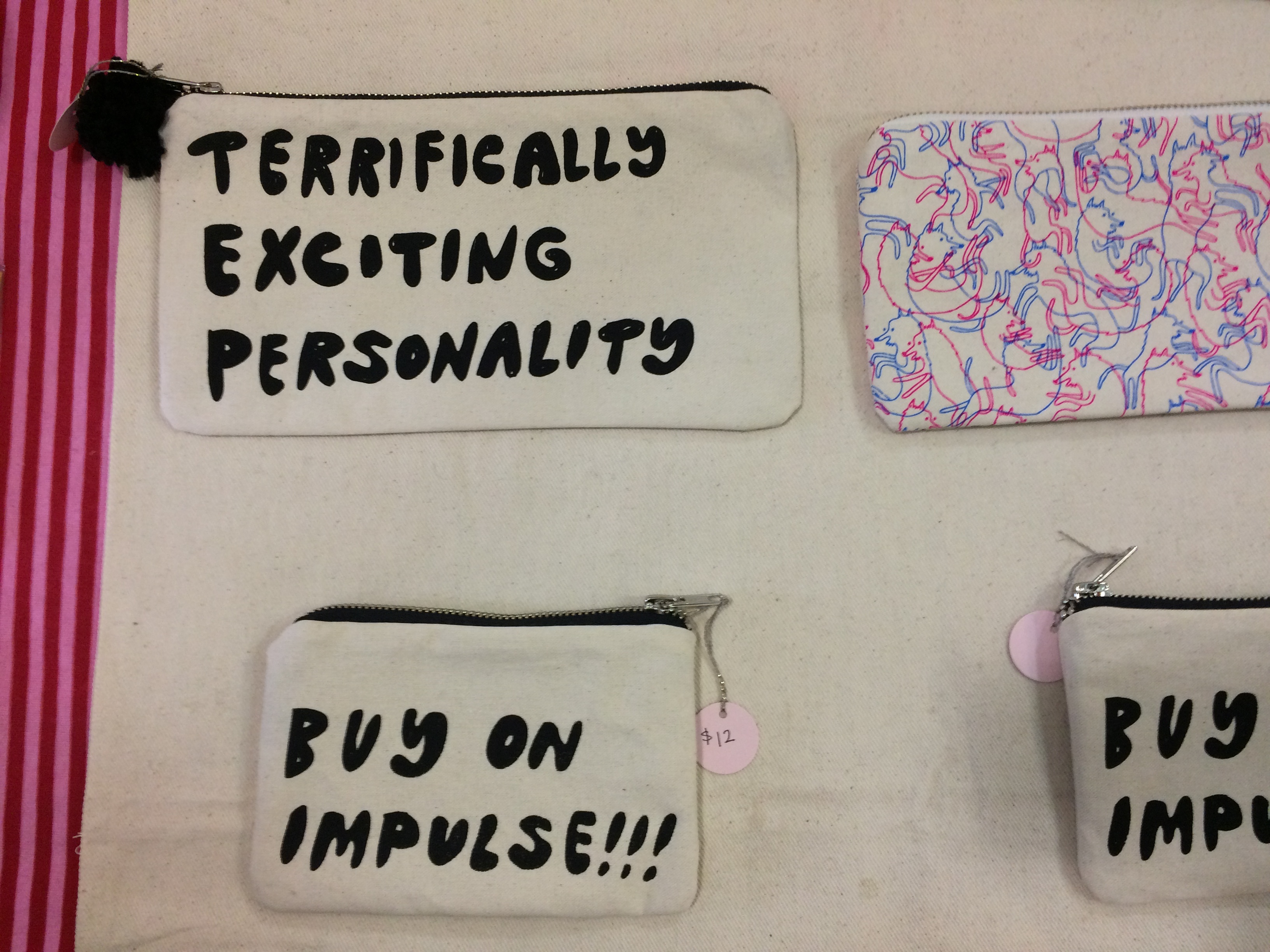
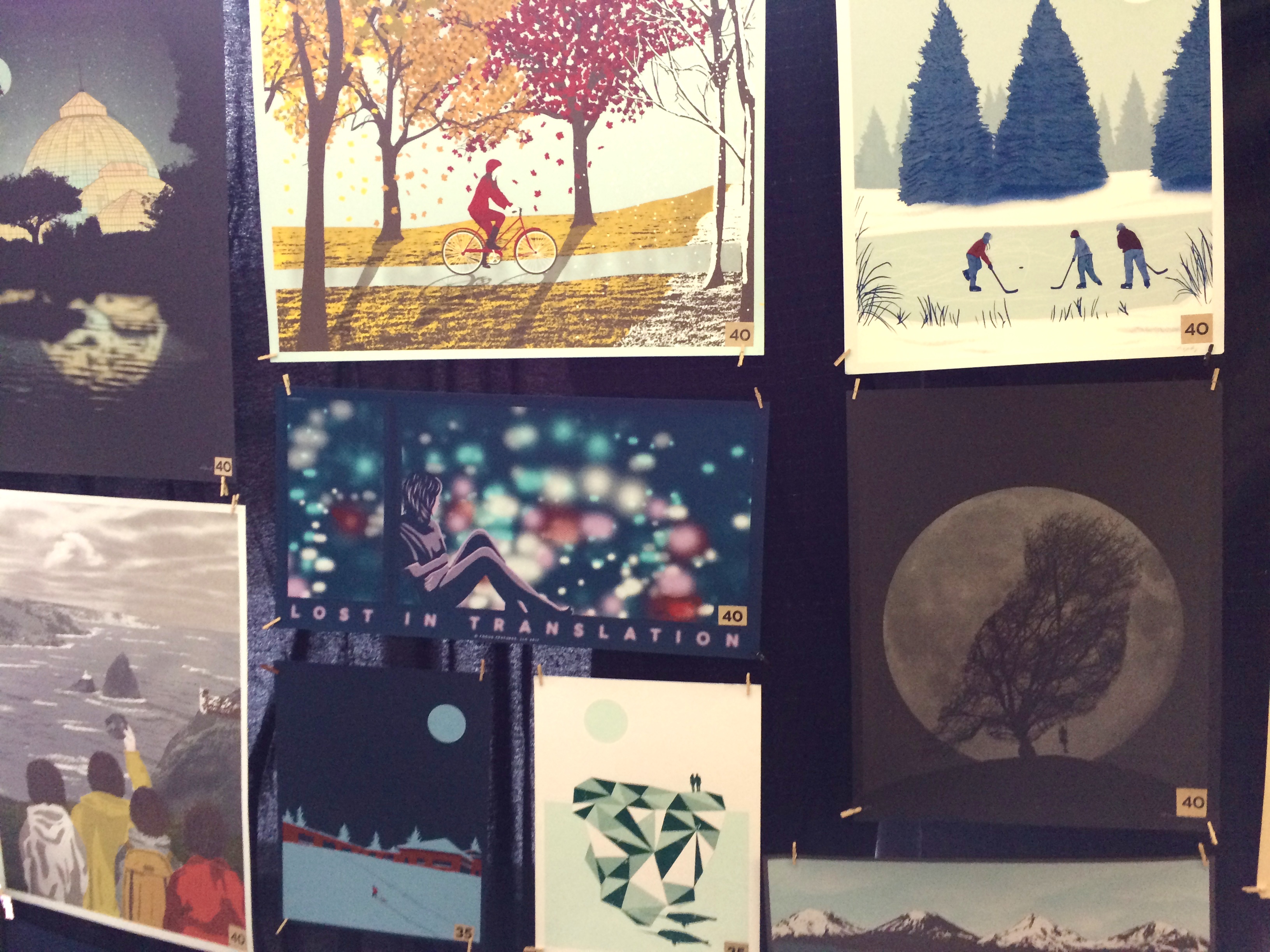
The Tiny Expo was not so tiny at all – it was great. The tables of artists and crafters were enough to keep an expo-goer busy for more than an hour, if you were lucky enough to get to every one because of the crowds. It is fulfilling to see community come together, and it is even better when it is for the sake of art.
Every table at the expo offered different work, such as toys, handmade jewelry, candles, origami, pins, zines, homegoods, pottery, prints, wellness products, bags and wallets, comics, crocheted accessories, and photography. While the jewelry tables were the most common at the expo, each brand still held its own unique style, whether that was being molded out of clay into miniature food pieces or being made of bicycle tires’ rubber. The expo had no shortage of creativity and energy, between the beautiful art and the lively artists who were eager to chat with everyone. One of my favorite artists I encountered was David Zinn, a street artist who does his vibrant, imaginative work primarily around Ann Arbor. (And he is a UMich alum… coooool!!!) Another was AlmaPottery, whose stunning metallic pottery pieces I stared at long enough to make up for not being able to buy one.
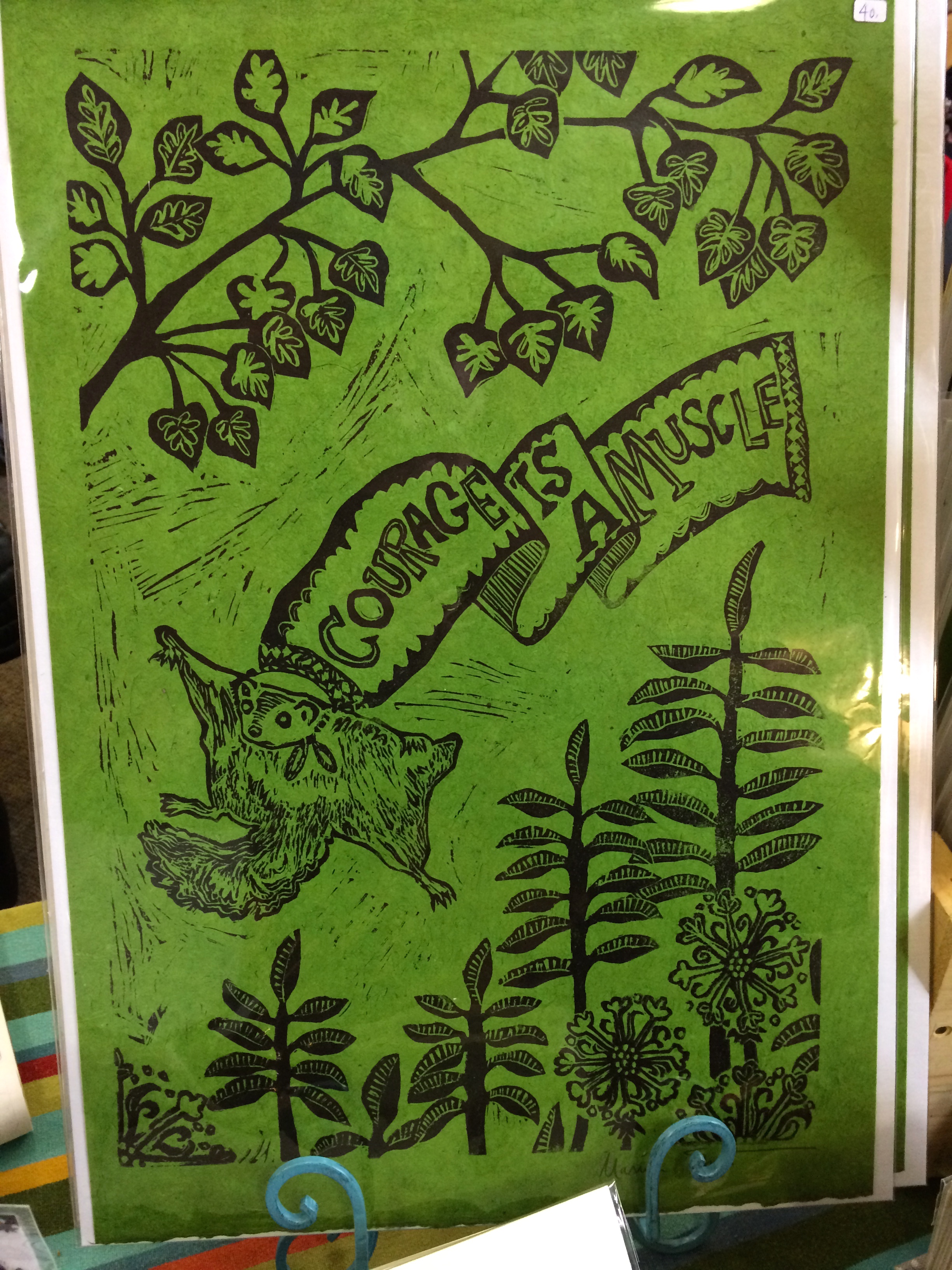
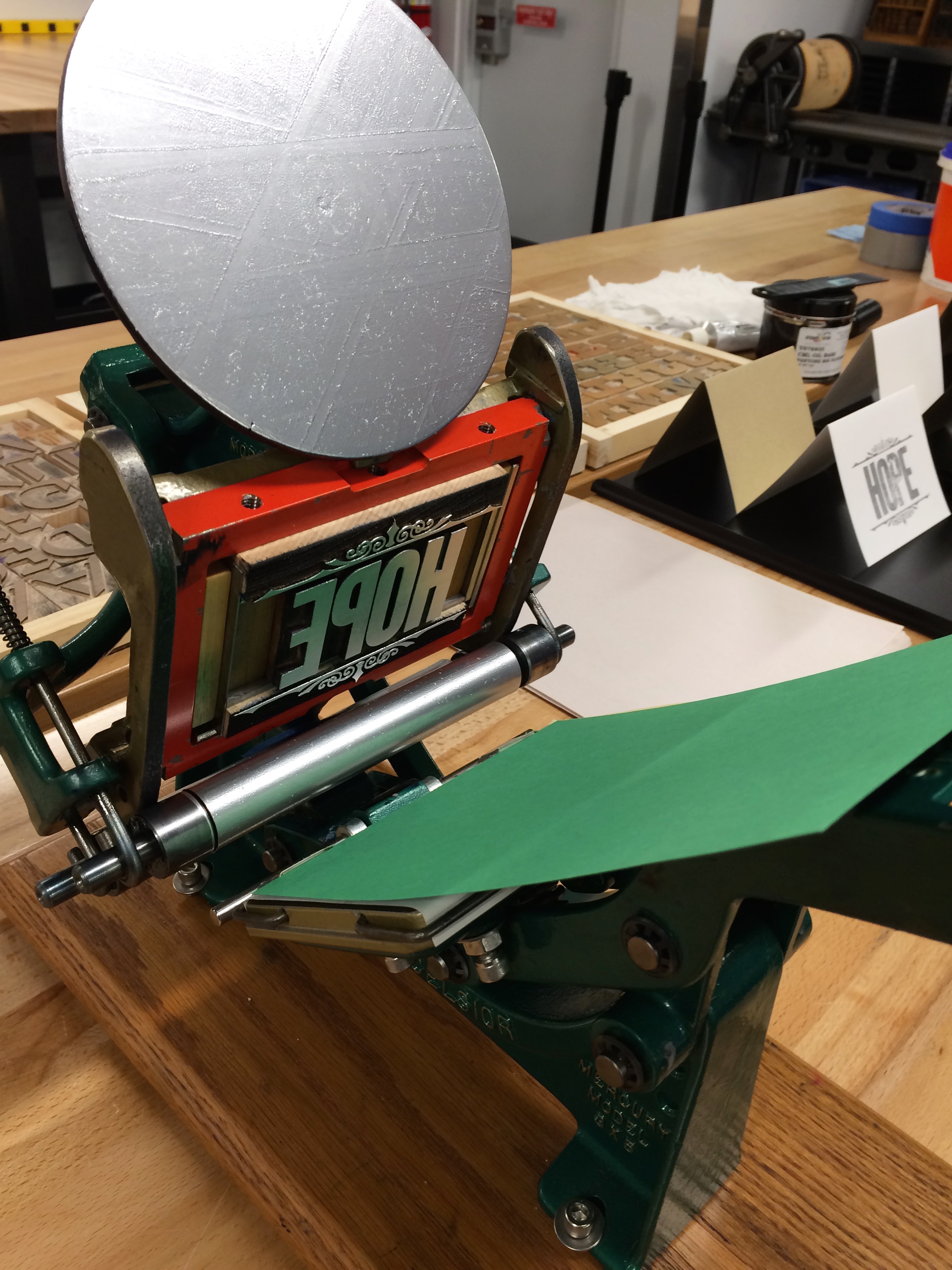
There was also the fun crafting going on in the “Secret Lab” basement of the library, which appealed more directly to children but was still worth taking a look at. With holiday-themed paper crafts, letter presses, pom-pom making, and screen printing, it was a good interactive addition to the expo. I think it has potential to be expanded on, maybe with more craft options or even workshops from the artists that would appeal to all ages.
A robust crowd attended the expo: plenty of children, drawn in by activities in the Secret Lab, and lots of adults, who support the community and its art. The only disappointment I felt about this crowd was the prominent absence of young adults. I did not notice many people who may have fallen between the ages of sixteen to thirty. For an event that is so welcoming to guests and vendors alike (the library gives the artists their tables free of charge, simply encouraging local art, as to most other expos/markets/festivals/fairs that charge for a space), I would have hoped to see more young adults interested in the expo. We are the ones fueling upcoming years of such expos and art in general. Art starts locally. There was beautiful work at the expo, work that I know many of my friends and other students would have appreciated. Hopefully in upcoming years it will be better publicized to pull in more college-aged people.
The Expo was an enjoyable afternoon that gave people the chance to see collection of varied, skillful, and inspiring work, done mostly by native Michiganders. The exposure given to these artists through Tiny Expo and the Winter Art Tour is an awesome opportunity, one that will hopefully gain a larger following in future years.
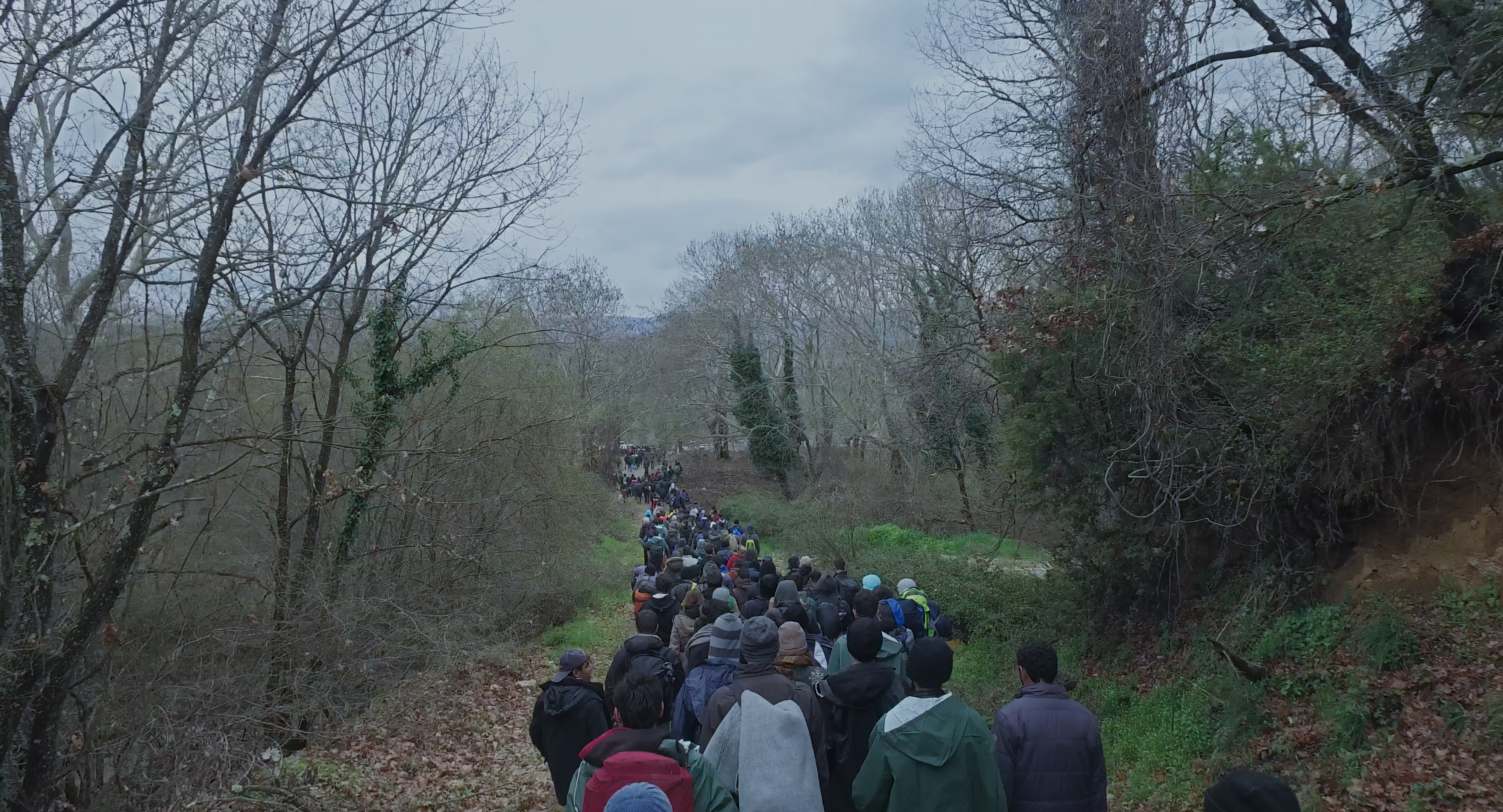
In his latest documentary Human Flow, internationally renowned Chinese artist Ai Weiwei compiles footage from over 23 countries to underscore the scale of the global refugee crisis. Often, the artist—drone camera in tow—tackles his charged subject matter from a distance. Rather than attaching the film to a select few individuals, Weiwei instead opts for sweeping panoramas of unstable migration currents.
Image Source: Human Flow
As the film skips from country to country, the scaled-out narrative blurs experiences for empathy-generating effect. African migrants reach Italian shores without any acknowledgement of their countries of origin. Their newly arrived bodies produce visual spectacle. These plainly labelled Africans huddle together, wrapped in glinting gold thermal blankets. The only possible response to these deracinated images of hardship is the immediate gut reaction to nonspecific distress.
An elderly Rohingya woman in a Bangladeshi refugee camp glares silently at a camera that refuses to cut away. She is not probed any further. Small moments such as these—unwelcome intrusions into the everyday—are fleeting reminders of the director’s interest in refugee flow over refugee. Weiwei forsakes focus on the individual in service of showcasing a tremendous collective suffering.
Image Source: IndieWire
One potential benefit of Human Flow‘s narrative expanse is commonalities drawn between worldwide migrations. Viewers are jetted from place to place to follow a story across continents, and no nation is left unchallenged. The film makes the urgent suggestion that we are all responsible for the wellbeing of the planet’s peoples.
An Afghan woman at the Greek-Macedonian border states, “No one leaves their country lightly.” Though often minimizing the individual experience of migration, Human Flow ultimately conveys the weight of these journeys and the moral imperative of addressing the refugee crisis today.