I’d be stressed about my grade but it’s too much energy to be stressed so I just accept it.
Union Basement, 1:30PM, 12/8/2023
worry is a tranquilizer. it paralyzes you under your covers, on your phone, in your dreams. it seeps into your bones and dulls your tongue. what’s the point? the two hours are going to pass whether you like it or not. the storm does not wait for you to board up your windows. hunker down and persist, or perish. or maybe you won’t. the hurricane will tickle the roof above your head, a gentle brush with the back of a scarred palm. let this be a warning. you will be ready next time, you think — if there is a next time…
It was just the two of us and a bunch of books. In the Hatcher basement! I was like “where are we going? Are you going to murder me?”
Mosher-Jordan Dining Hall, 12:00PM, 11/28/2023
what if we were to soak up information like a sponge? the logarithms of knowledge are beyond comprehension. even with all of hatcher tucked away, what else lies beyond? the madness of multiplicity: in seeking understanding in one subject, you invariably uncover another… these are the consequences of grasping at infinities we will never see. an expanding edge of space. the horizon, and nothing beyond. who could live with this? a murder would be the easy way out. history defeats itself.
I spent a lot of time crying over question 1, so if anything goes wrong… that’s probably where it started.
Panda Express, 1:00PM, 12/8/2023
the symbiotic relationship between the student and the exam should be carefully examined. there is a certain kind of irony in learning everything but the information: the highlighted color (blue), the study location (panera, but only on mondays), the back of your shoe rubbing against a bouncing heel — if anything, is this not a more finely attuned case of studying? perhaps if you committed to watching espn while transcribing notes you would remember the transcriptions and not the fantasy numbers, or the missed flags, or the post-game interviews. yet this fails as well. a strange phenomenon!
if all else fails — in case of emergency — wipe your tears on question 1 and turn to question 2.
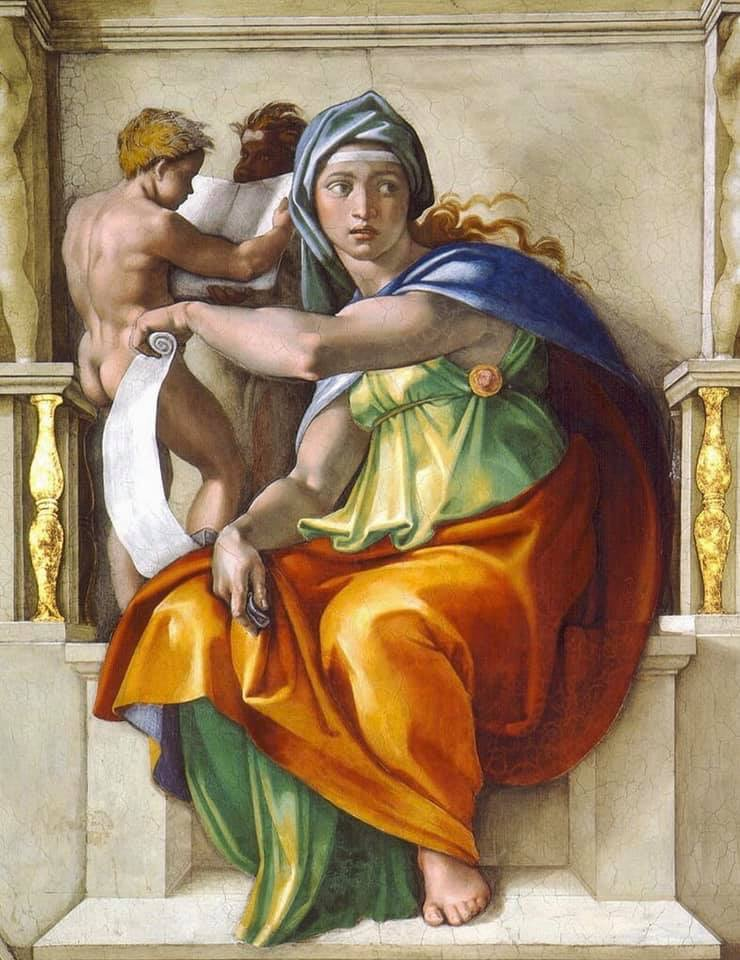
Good Morning! I hope that you are all doing well! To wrap up the semester I wanted to do an informative post on some techniques that I true love that were expanded and developed from the Age of the Renaissance. There are four significantly different modes of techniques in the Renaissance paintings that were widely spread by many great masters. They were applied superbly to create brilliant and spectacular art treasures.
1) Cangiante
In the early Renaissance, the primary modes of painting were based on Fresque and Tempéra. At that time there were only a few kinds of pigments used, as skill and materials were limited. Therefore, artists adopted relatively simple methods to express color and value, such as the intrinsic color of the object mixed with black in order to represent shading. That’s the reason Cangiante emerged. The main purpose of this technique is to replace the highlights and shades by using analogous colors as long as the value and hue do not show too big a difference when compared to the actual color. We can see in Giotto’s works that he used this practice occasionally.
2) Chiaroscuro
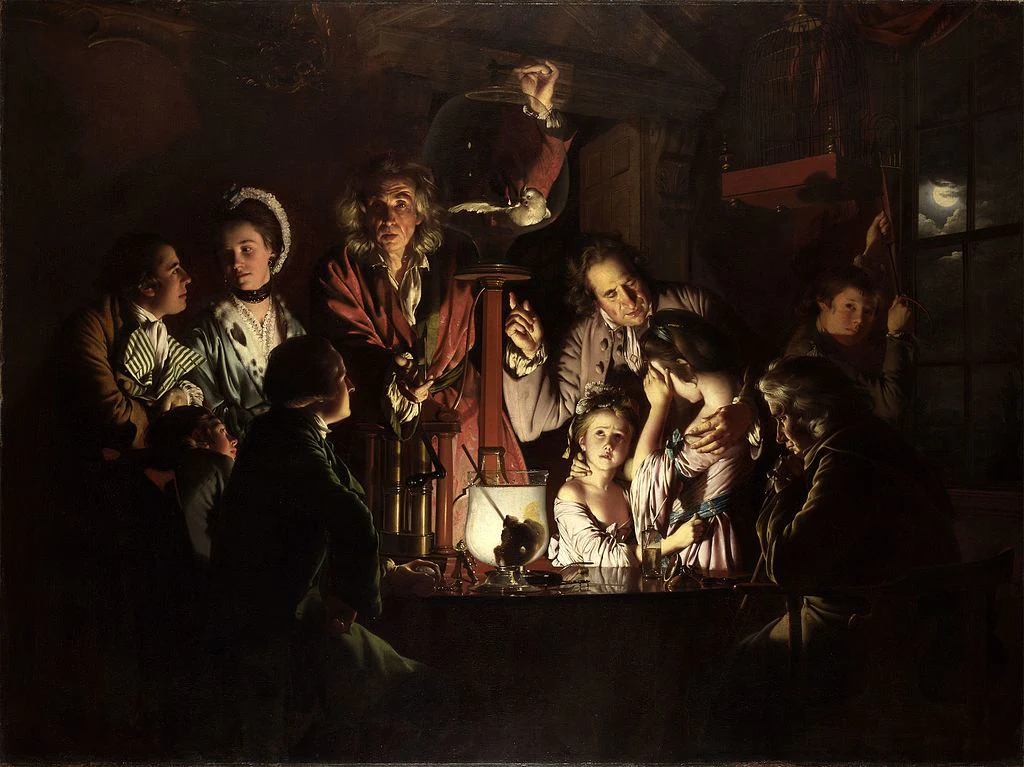
Now this one is my personal favorite! Chiaroscuro uses light and shade to express three-dimensional forms and space. In the early Baroque period Caravaggio composed his paintings with strong lighting on the main subject. He used a dark background and emphasized the contrast of light and shade in order to achieve a dramatic effect that was similar to stage lighting. This technique is used to compose images effectively by using light and shadow to create the effect of three-dimensional space and the beauty of a sculptural figure on a flat plane. If, for example, we were to depict a man standing outdoors, we would realize from observation that the natural light comes from all directions. This is not the same as painting the effects of light and shade as if lit by a shaft of light from a single source. Think about a candle lit in a pitch black room. The purpose of this arrangement is that it is convenient way for artists to show three- dimensional forms but the result is totally different from reality.
I have subtly begun to apply Chiaroscuro to my paintings and plan to create a more exaggerated piece very soon!
3)Sfumato
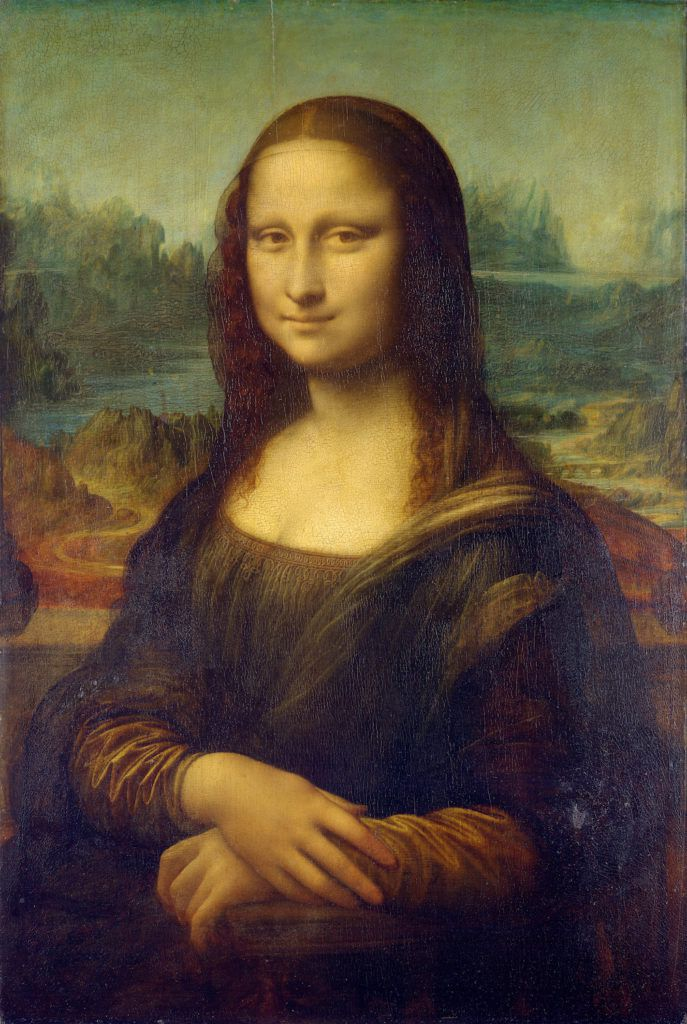
The most significant part about Sfumato is that painters use very fine transparent pigments and a glazing medium which has the ability to flow smoothly and spread easily. The basis of this method is the careful superimposition of glazes applied layer by layer. The color of each layer is so subtle, light and thin that it is hardly to be observed. Also, every coating layer had to be completely dry before applying the next one with a different transparent color. As it is applied, changes are made, and the glazing is adjusted according to differences in the object’s structure and the changing of light and shadow. With the process of applying up to ten of layers of glaze the colors are slowly enhanced to a rich tone and the edges are blurred. After much painstaking work, finally it had led to a mysterious and soft visual effect. Because of the manipulation of successive glazing, what people actually see is not the result of oil paints mixed on the palette, but a natural combination of whole colors under the optical effect of light going through layers of delicate and magnanimous glazing. This is famously applied and implemented by Leonardo Da Vinci.
4) Unione
Unione has many similar attributes to Sfumato. It is one of the most famous techniques of the Renaissance. It is regarded as a prominent technique rather than a perspective technique. It plays an
integral role in enhancing the work of art. This method relies on the smooth transformation of colors without any hint of hard lines. However, it differs from Sfumato due to the intensity of the colors being used.
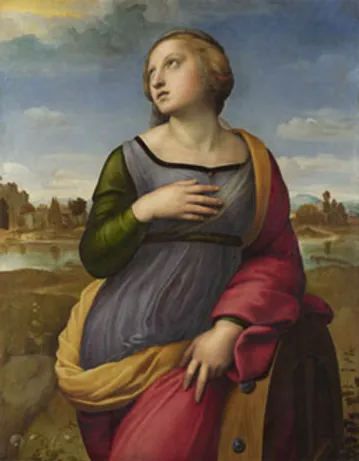
Where Sfumato relies on smoothing colors by dark or ling pigment which reduces the intense colors in paintings, Unione is focused on the intensity. It tries to improve the eye-soothing parts o the images to make the picture even more vibrant, colorful and lovely. By following this method, the works are able to represent the value of the color, while at the same time they form the shapes with delicate transitions from light to shade. The outcome is colorful and dazzling. Raphael was responsible for revolutionizing this technique.
All of these techniques were revolutionary for their time and have helped set the stage for post-Renaissance and modern artists. Without knowing it, all artists implement one of the above techniques in some way. All modern teachings are expanded from these first four canonical modes of painting. Maybe I’ll try and implement all four in a painting one day!
One interesting part about animating my second scene is deciding how I want light and water to interact together. Particularly for this last motion that I’m working on, the water is meant to slide off the characters hand while the light is still embedded underneath their skin. Since this isn’t something we would see in real life, I have the creative liberty to decide what I want this interaction between the two elements to look like. I’ve decided to treat the light like a semi-physical entity, so it melts a bit into the water, but can’t actually be washed away. As I’m working through these scenes, I also feel like my line work and coloring skills are improving, especially with how I’m coloring light/shadow. Here’s my progress from this week!
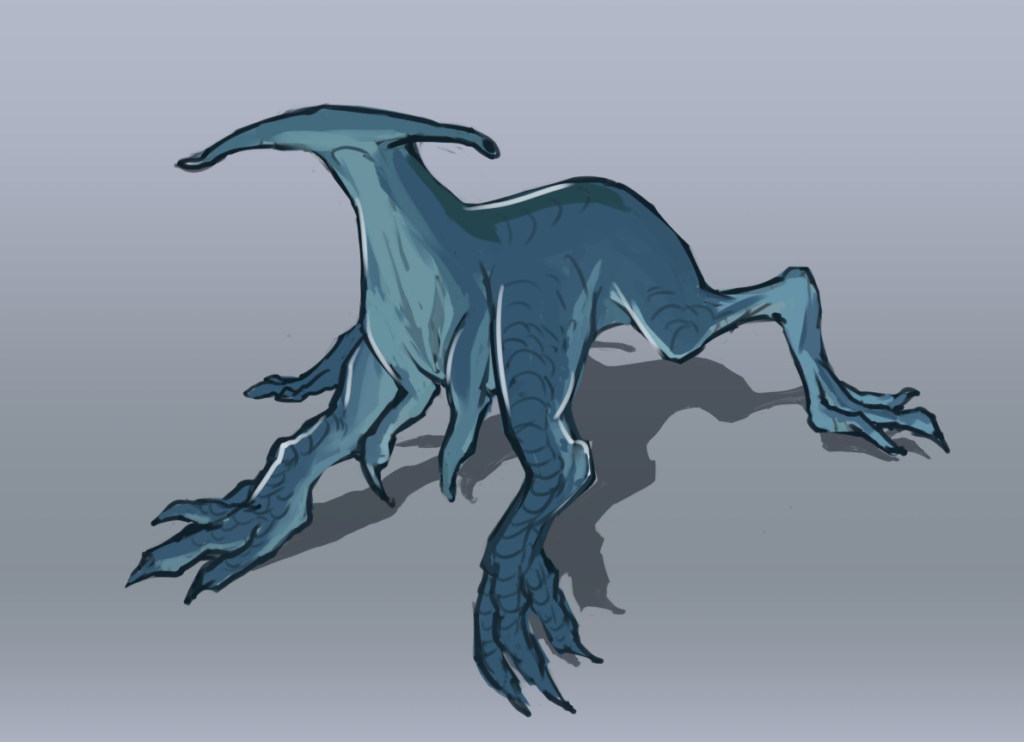
[ The marsh hammerhead strider, despite its intimidating appearance and relatively large stature, is an even-tempered herbivorous species of hammerhead striders. They are often found traveling in small groups among the swamps and wetlands in the planetary terminator of Khepri-1b. ]