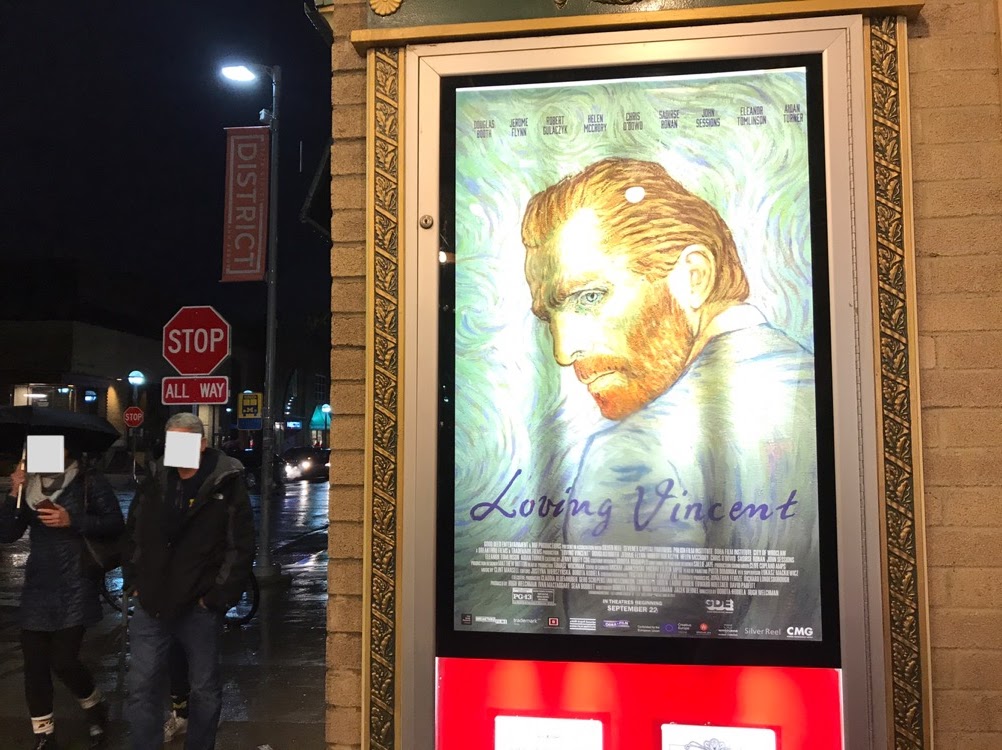
REVIEW: Loving Vincent

It was a dark and stormy night as I walked my way to the Michigan Theater for the Saturday premiere of Loving Vincent. However, the dreary weather did not dissuade many from showing up to experience the film, which proved to be very rewarding.

I knew, going into the theater, that the film’s existence itself is almost miraculous– over 100 expert painters worked to create more than 6,000 frames of paintings done in the style of Van Gogh, making it the first and only painted animated film in the world. However, I was unprepared for how overwhelmingly the art, plot, and characters melted together masterfully to produce such a moving take on Van Gogh’s biography.

The striking thing about this biographical take is that it begins a year after Van Gogh takes his own life. While a surprising, but not unprecedented, artistic choice, focusing on the subject’s death and tracing the steps that led up to it often sets a bleak mood from the beginning, though Loving Vincent separates that overall mood and gives it particular names: guilt, regret, sorrow, grief, all of which reverberate from Van Gogh’s suicide. The film opens up with a shot of the familiar Van Gogh piece “Starry Night”; zooming into the village below, while still retaining the characteristic, colorful swirls of Van Gogh’s artistic style, the viewer is immediately transported into the plot, which moves almost as fluidly as the brushstrokes that compose each masterfully produced frame.  

Armand, the son of Vincent Van Gogh’s postman, who is tasked by his father to deliver Van Gogh’s last letter addressed to his brother, Theo. Unwillingly, Armand is whisked into a scavenger hunt for clues that will piece together the real reason Van Gogh ended his own life. His mission takes him to every corner of the town Van Gogh died in, meeting characters who knew the artist before his death; his doctor, the daughter of his landlord, a young woman with whom he shared an intimate relationship with, the boatsman who often sat with the artist as he painted on the riverside, and other locals. Without revealing too much revealing content about the outcome of the film, I will emphasize that I appreciated the way that Van Gogh’s character was still left with a certain degree of ambiguity in the end, a type of mystique that the film did not attempt to force into definite causes and effects.

I was most impressed by the scenes that contained shots of smoke, water, and fire; it was mystifying to watch and know that these seemingly fluid, effortless movements were painstakingly labored over to produce the desired degree of motion. I cannot stress enough how beautiful this film is; it is by far one of the most gorgeous ones I have ever seen.

However, although the artistic achievement of this movie is beyond praise, I found myself becoming a little bit confused as the plot thickened. The network of characters and their associations quickly becomes vast and intricate, although each piece of the puzzle fits in nicely, in the end.  

I highly recommend this film for both Van Gogh fans and casual observers alike. The Michigan Theater will be showing it until November 9th. Tickets can be purchased here: https://prod3.agileticketing.net/websales/pages/info.aspx?evtinfo=335674~c76be4f4-22b5-4bed-a89c-7def863b8c53&

PREVIEW: Loving Vincent

Starry Night. Sunflowers. Irises. Though the subjects of some of Vincent Van Gogh’s most famous works are classically beautiful and depicted with swirls of vibrant colors that render them near-mystical, the artist himself led a tortured life. His eventual suicide at age 37 was predated preceded by a life of poverty and mental illness.

Vincent Van Gogh has his struggles documented through his own works in Loving Vincent, a biographical film that is the first and only fully painted animation film in existence. Van Gogh’s paintings are brought to life by a team of 115 classically trained painters who created 65,000 individual frames for the film, though only around 1,000 survived the process and actually made it into the production. The film won the “Most Popular International Feature” award at the Vancouver International Film Festival (2017), was nominated for “Best Original Score” in the Hollywood Music in Media Awards 2017, and received the Golden Goblet for best Animation Film at the Shanghai International Film Festival.

Loving Vincent is bound to be a spectacular visionary journey through the life of one of the most influential painters in Western art. Tickets can be purchased on the Michigan Theater website. ($8 for students with ID).

PREVIEW: GLOSS: Modeling Beauty

Interested in fashion and photography? How about beauty and culture? If so, come peruse the photography gallery in the UMMA, right on central campus— for free.

GLOSS: Modeling Beauty examines how beauty ideals have changed in America and in Europe since the 1920’s. The exhibition features glossy images of female models from fashion magazines. Hanging along side these works are images from documentary photographers who depict the fashion of everyday life. Lastly, artists like Nikki S. Lee contribute photographs presenting alternative notions to mainstream beauty and fashion. Come see how beauty standards for women have evolved and, of course, for some fashion *inspiration*. After all, it’s only open until January 7th, 2018.

Time: Everyday (except Mondays). Where: UMMA. What: Awesome visuals by awesome photographers (~Andy Warhol~).

(Image: UMMA website. https://umma.umich.edu/)

REVIEW: Ragamala Dance Company, Written in Water

I’ve seen a fair number of bharatanatyam performances over my time at college, but Written in Water was different. Firstly, it’s the only one that has used a live accompaniment. The performance was already astounding in itself, but the music added another layer of depth to it, and made it even more so. The music was written by Prema Ramamurthy and Amir ElSaffar, the latter of which performed himself through UMS only two days before Ragamala’s show. ElSaffar makes his music by blending styles, primarily Sufi music and jazz, and that emphasis on fusion really came through at the show, where traditional bharatanatyam accompaniment was blended with Sufi and jazz styles. An acquaintance of mine that also went to the concert mentioned that the jazz added a familiar element, something that she, as someone unfamiliar with bharatanatyam or Sufi music, could relate to. ElSaffar’s vocals added a sense of melancholy to the performance, which fit really well with the emotions that the dancers were portraying at the time.

The dancers themselves were beautiful. Bharatanatyam is most often a solo dance, but there were five dancers who performed in the show. I couldn’t believe how good their synchrony was. Every time they performed a movement together, not only was the timing perfect, but the details—like the angles of their hands—were perfect too. They all exhibited such grace on the stage. There are some movements in bharatanatyam that involve balancing on one foot, and everyone who performed such a movement during the show did so effortlessly. Watching it, it seemed as though they could easily go on standing like that for an eternity. That bespeaks a strength that only comes after years of devotion to that art. Emotion is also integral to the dance. Written in Water focuses on emotions, on human life, states of being, and the quest for the divine. The dancers were all superb at conveying the emotions present in their choreography not just through their movements but also with their facial expressions. Their costumes also were fairly simple compared to those in other performances I’ve seen in the past, which drew even more attention to their movements and their expressions.

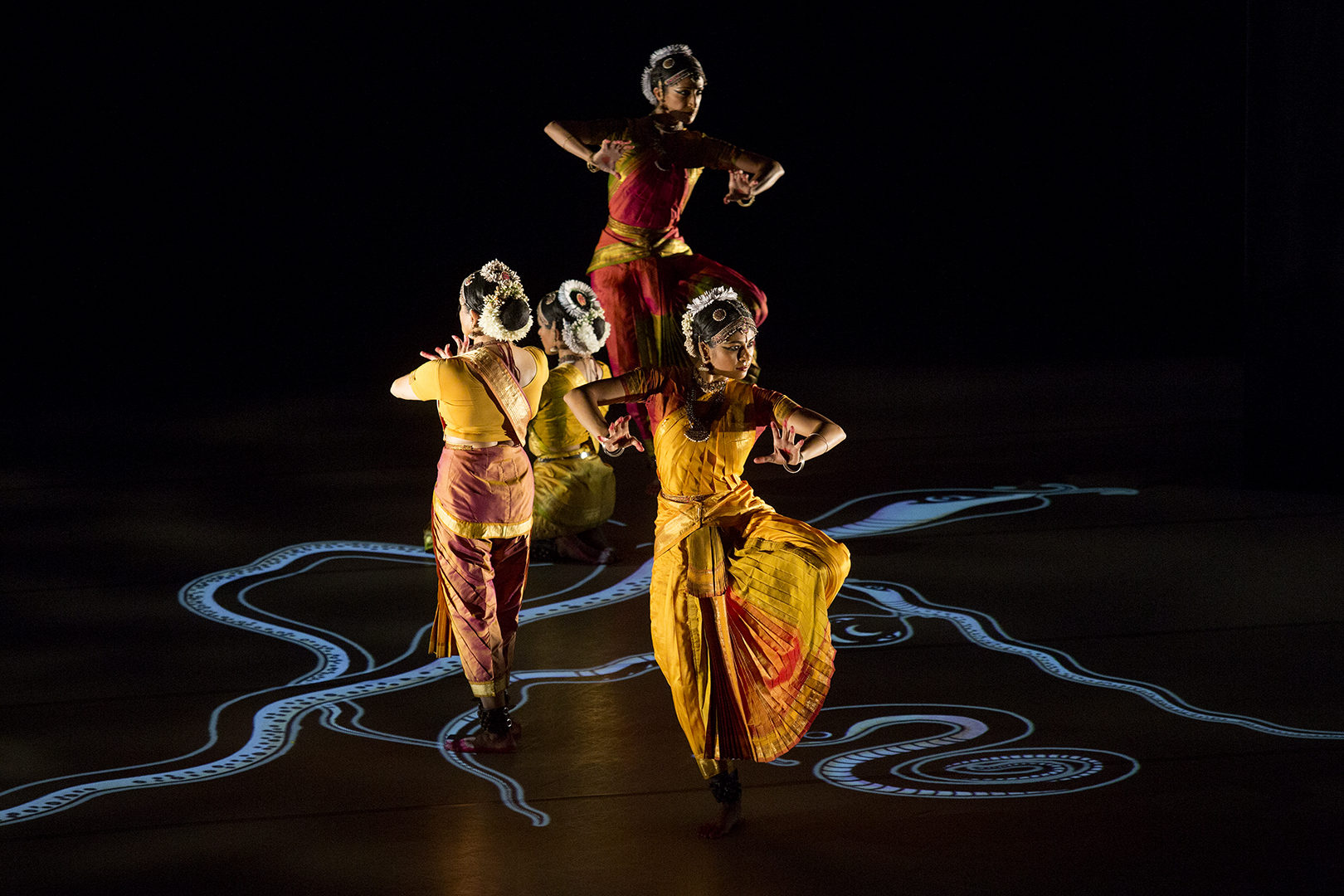
The Ragamala performers dancing on the Snakes and Ladders gameboard, designed specifically for Written in Water by Keshav, to music played by the musicians on the left.


The last piece of this performance was the visual art they used as a backdrop. The Chennai-based visual artist Keshav created each piece of art they used, and his style melded perfectly with the other aspects of the performance. The paintings, which helped to further elucidate the concepts the dancers were illustrating, were absolutely beautiful. One of the paintings, possibly the most important to the piece, was of a Snakes and Ladders gameboard, which was one of the three concepts through which the show explored the previously mentioned themes. They danced right on top of the gameboard, showing triumph as they ascended the board or sinuous motions as they descended a snake (this was helpful for me, since from where I was sitting I couldn’t see the floor of the stage). I love the idea of interacting with the floor: I’ve always seen the ground as an essential element in bharatanatyam, because the dancers mark time by stamping the ground, and the gungurus they wear on their ankles accent those footfalls. So to see them use the floor as more than a surface was really wonderful. It is also interesting that even when they were not exploring the gameboard, they often used a projection of one of the other paintings that was part of the performance. I talked to Aparna Ramaswamy after the performance, and she mentioned how carefully they choreographed around the artwork, so that they would use it to its fullest extent but simultaneously refrain from stepping on important symbols or otherwise disrespecting the artwork and traditions it represented. It was amazing to see that level of attention to detail in this show, and that element was consistent in every aspect of this masterful performance.

Written in Water is the only bharatanatyam performance UMS has put on in the four years I’ve been here. I hope such a breathtakingly exquisite show as this encourages them to invite more bharatanatyam performers to Ann Arbor.

A visual art exhibition by Ed Bock. It details the past 25 years of Ragamala’s performances, putting the images together onto one panel of fabric. Entitled “Six Yards of Memory,” this represents the six yards that is the standard length of a sari.

REVIEW: The Milk Carton Kids

I thought when I went to The Ark for Tuesday’s Milk Carton Kids show that I was getting a low-key acoustic show. I got that, but also so much more. At times funny, ridiculous, and bittersweet, The Milk Carton Kids and their opener Sammy Miller and the Congregation defied description in a concert I won’t be forgetting any time soon.

The name Sammy Miller and the Congregation sounds like a throwback to the Jazz Age, but theirs wasn’t a traditional jazz show. In fact, they told us, they were banned from the genre of jazz for reasons that were implied to be related to their production of a “jopera:” a jazz opera that eschewed any genre. The band incorporated theatrical elements, humor, and even a little pop music into their set. Their jopera was weird and wonderful, incorporating costumes, singing, and even a nonsensical storyline (an essential part of any opera). They engaged the audience, sometimes leaving stage and returning via the seats, as actors often do. I’m still not sure how to describe what I saw, but I know I was entertained.

The Milk Carton Kids, a duo consisting of Kenneth Pattengale and Joey Ryan, couldn’t have been more different in style and substance from their opener. Their sole instruments were two acoustic guitars. They wore suits and stood around one mic while they performed a set of mostly melancholy folk songs. But they, too, injected a surprising amount of humor into their set in their pre-song introductions.

At the beginning of the set, for instance, Kenneth confessed that he was watching the World Series on a device hidden in his bag (I don’t blame him). That joke recurred throughout, and there were times when Joey would start introducing a song and Kenneth would stand at the back of the stage, tuning his guitar and clearly peering into his bag. The whole audience was laughing at their intros, which were at turns funny, awkward, and self-effacing. It was an odd juxtaposition; it was almost as if they were performing a comedy show in between their folk concert.

The music itself was entertaining for very different reasons. I was impressed by the band’s harmonies, particularly on their slower songs. The intimate setup of The Ark and the songs’ sparse arrangements really brought out those harmonies. One song I particularly enjoyed was “I Only See the Moon,” a song from their upcoming album. Their penultimate song “Michigan” was also a highlight. Luckily, they were lying when they sang “Michigan’s in the rearview mirror” and came out for an encore.

I also enjoyed listening to the lyrics of the songs they played. Many were about traditional topics of contemporary folk, such as melancholy memories and places of the past, but others were political or even happy and upbeat. I allowed myself to sit back and get lost in the imagery of the lyrics, something that’s not possible at other types of concerts.

Though the Milk Carton Kids aren’t the kind of band I regularly listen to, and their concert wasn’t the kind of concert I usually attend, I was glad I went. The music was beautiful and the spoken interludes were entertaining. I’d never seen anything like this concert before, and I have a feeling I won’t ever again. But I’ll remember every bit: the humor and the harmonies, the beautiful and the weird.

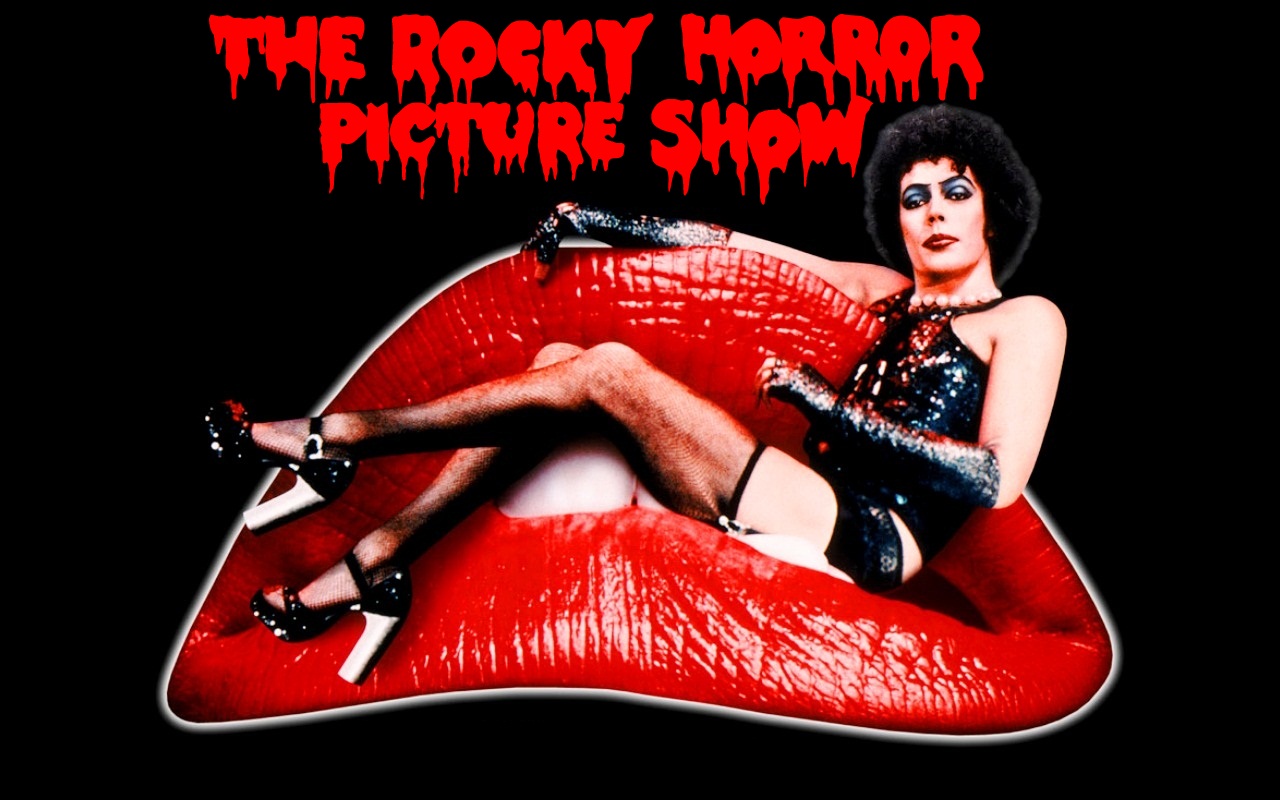
REVIEW: The Rocky Horror Picture Show, Michigan Theatre.

2016, freshman year: I, fresh-faced and a virgin to the world of The Rocky Horror Picture Show, emerged from Michigan Theatre as a slightly less virginal, still very impressionable, but a bit more cultured freshman. One year ago, I had the expectation that I was going to see a film with a great story line and amazing musical numbers.

If watching a calm, visually pleasant movie in an idle theatre is your kind of night, maybe a kind of film that’s musically show-stopping and rendered so beautifully that it’ll likely make you shed a tear or two – then I hear Once is a pretty good pick.

Because going to Rocky Horror is much less about seeing a magnificent film then it is going to experience a magnificent movement – a cult classic in all its chaotic vibrancy. This was immediately evident even in the line-up outside of Michigan Theatre as show time approached, with countless people floating by in a variety of costumes: pink wigs, fishnet tights, gold spandex.

2017, I’ve matured; I’m seasoned, having taken The Rocky Oath and done The Time-Warp before.

Introducing the show.

This year, I went into Rocky Horror not to watch a movie. Instead, I went for the callbacks, the sing-alongs, the endless amount cheering through the night. Perhaps it’s unusual within the realm of theatre-going, but audience interaction with the film is a significant part of the experience. With a repertoire of callbacks timed in sync with the movie script, (someone memorably shouting “Hey, what do you like to eat for breakfast?” just as an on-screen character replied “Come,” for example), each time the experience is new, different depending on the audience itself.

There are more corporal traditions, however, such as standing up and dancing to The Time Warp, snapping rubber gloves as Frank N. Furter does in the laboratory, yelling “Asshole” and “Slut” every time Brad and Janet are uttered. The clever, sometimes absurd traditions are my absolute favourite part of Rocky Horror, bringing a local culture into the theatre.

The lips.

With a shadow cast this year, another dimension was added to the film. A cast interpreted the plot playing on screen, acting out the script along with the movie. Sometimes the attention shifted off-screen entirely, the crowd cheering as the cast did something particularly funny or racy – even more so than what was happening on film. Something like this bridges the gap between film and audience even more. And unlike a lot of successful movies, Rocky Horror isn’t held in a pristine prestige; it’s steeped in and shaped by the layperson.

A generally good time, and an interesting cultural phenomenon, The Rocky Horror Picture Show at Michigan Theatre isn’t something to be missed. It only gets better year after year of attending, and I’m looking forward to the next Halloween weekend!